
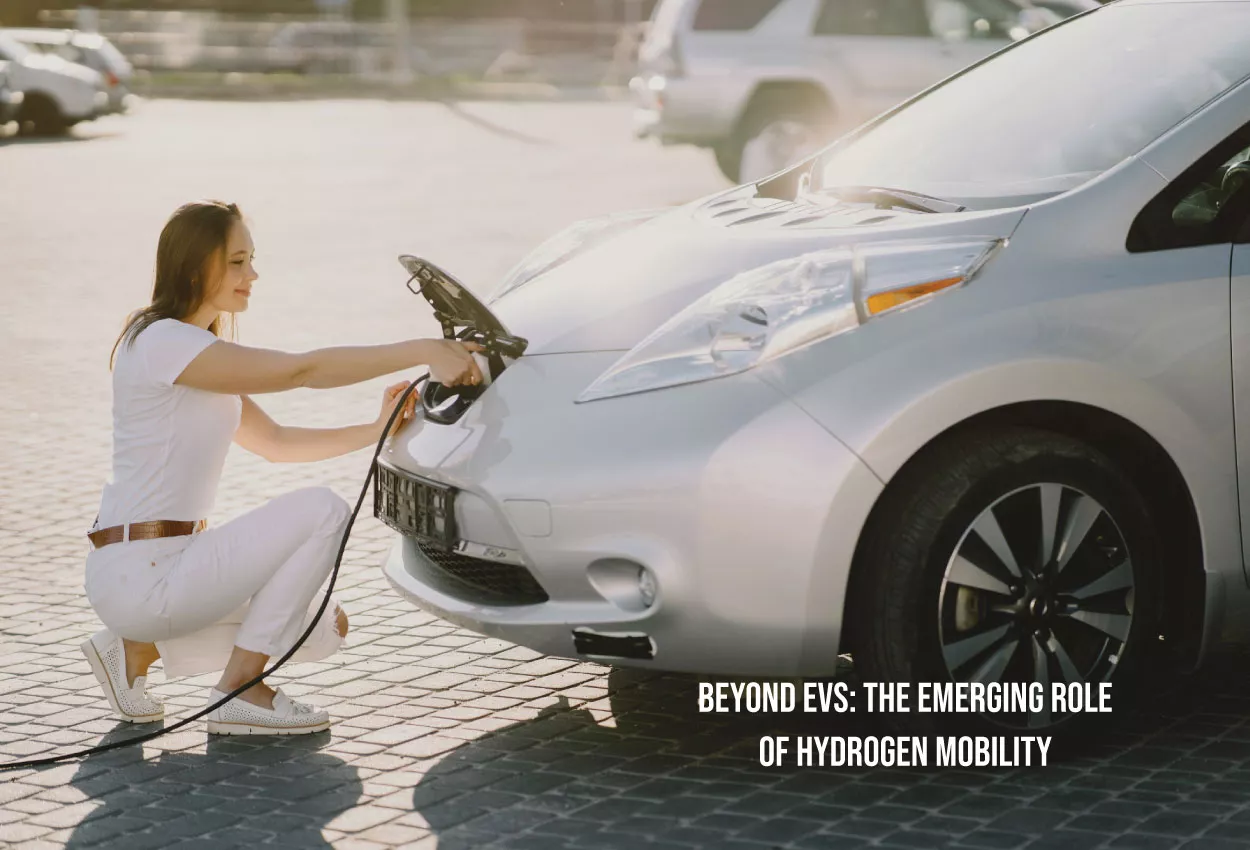
The race toward cleaner transportation has largely been defined by the rise of electric vehicles. From passenger cars to commercial fleets, battery-powered mobility has become the symbol of the automotive industry’s transition toward sustainability. Yet the future of transportation is unlikely to be shaped by a single technology alone. As the demand for efficient, scalable, and low-emission mobility solutions grows, hydrogen is emerging as a powerful complement to electrification.
Once viewed as a niche technology, hydrogen mobility is now attracting serious attention from governments, automotive manufacturers, energy companies, and investors. Its ability to deliver long driving ranges, rapid refueling, and zero tailpipe emissions positions it as a promising solution for segments where battery-electric vehicles face limitations. While EVs continue to dominate headlines, hydrogen is steadily carving out its own place in the future of transportation.
Why Hydrogen Is Back in the Spotlight
Hydrogen fuel cell vehicles operate by converting hydrogen into electricity through an electrochemical process, producing only water vapor as a byproduct. This clean energy approach offers many of the environmental benefits associated with battery-electric vehicles while addressing some of their operational challenges.
One of hydrogen’s greatest advantages is refueling speed. Unlike battery-electric vehicles that can require extended charging times, hydrogen-powered vehicles can typically be refueled within minutes. For businesses and fleet operators where vehicle downtime directly impacts productivity, this capability represents a significant advantage.
In addition, hydrogen systems can deliver longer driving ranges without the added weight associated with large battery packs. These characteristics have made hydrogen an increasingly attractive option for applications that demand high performance and continuous operation.
The Infrastructure Challenge
Despite its potential, hydrogen mobility faces a critical obstacle: infrastructure. The availability of hydrogen refueling stations remains limited compared to the rapidly expanding network of EV charging points.
Building a successful hydrogen ecosystem requires significant investment in production facilities, storage systems, transportation networks, and refueling infrastructure. Governments and private-sector stakeholders must work together to establish the foundation necessary for widespread adoption.
The challenge is substantial, but so is the opportunity. As infrastructure expands, hydrogen mobility can become increasingly accessible and economically viable for both businesses and consumers.
The Rise of Green Hydrogen
Not all hydrogen is created equally. The environmental impact of hydrogen mobility depends largely on how the hydrogen itself is produced.
Traditionally, hydrogen production has relied on natural gas and other fossil fuels. However, growing investments in green hydrogen are changing the landscape. Green hydrogen is generated through electrolysis powered by renewable energy sources such as solar and wind power, creating a near-zero-emission energy pathway.
As renewable energy capacity continues to expand globally, green hydrogen has the potential to become a cornerstone of sustainable transportation. Its adoption could help reduce carbon emissions while supporting broader energy transition goals across multiple industries.
Automakers Expanding Their Hydrogen Vision
The major car producers are starting to integrate hydrogen into their strategies for sustainable mobility. Massive investment into fuel cells shows their confidence that hydrogen will go side-by-side with battery-powered vehicles, rather than become an alternative to them.
They understand that not all transport requirements can be solved by batteries. The requirements of cars intended for passengers, commercial services, heavy machinery, and public transport differ considerably.
This approach of manufacturers will speed up development.
Economic Opportunities Beyond Transportation
Hydrogen transportation does not just mean the reduction in pollution from vehicles but can be viewed as a big economic opportunity as well. Building hydrogen manufacturing facilities, transportation networks, hydrogen fuel cell factories, and other infrastructures can help develop whole new sectors that generate employment for thousands.
Those countries blessed with renewable energy sources have the potential to become major suppliers of green hydrogen, thereby opening up whole new avenues of income while improving their energy security in the process.
A Multi-Technology Future
Sustainable transport of the future is going to be characterized by technologies that complement each other, not compete with each other. Electric cars are bound to remain key in passenger travel and urban transportation, while hydrogen technologies will make their way into large trucks and other vehicles requiring extended driving distances.
Such a strategy provides more opportunities for sustainable development and makes the transport system more flexible and robust.
Conclusion
The hydrogen-powered cars of today are transitioning from theory to reality. Despite the hurdles presented by existing infrastructure, expensive production process, and scalability issues, the progress towards practical implementation of hydrogen mobility continues in earnest within the auto and energy industry.
As the auto world seeks out ways to meet the demands of tomorrow, hydrogen plays a crucial role in the creation of an environmentally-friendly transportation system. Hydrogen provides an alternative to the batteries and allows to think outside the box in terms of creating more efficient systems. Perhaps, tomorrow’s road won’t be ruled by electric vehicles. Instead, it will be an interconnected system powered by both electricity and hydrogen.