Relocation is supposed to be an adventure. It promises new streets to wander, new faces to meet and a version of life you have only imagined until now. But before any of that begins, there are forms to file, offices to visit and rules written in a language you may not speak. For too many people, the excitement of a fresh start gets buried under an administrative maze, and the person at the center of the move is left feeling more overwhelmed than inspired.
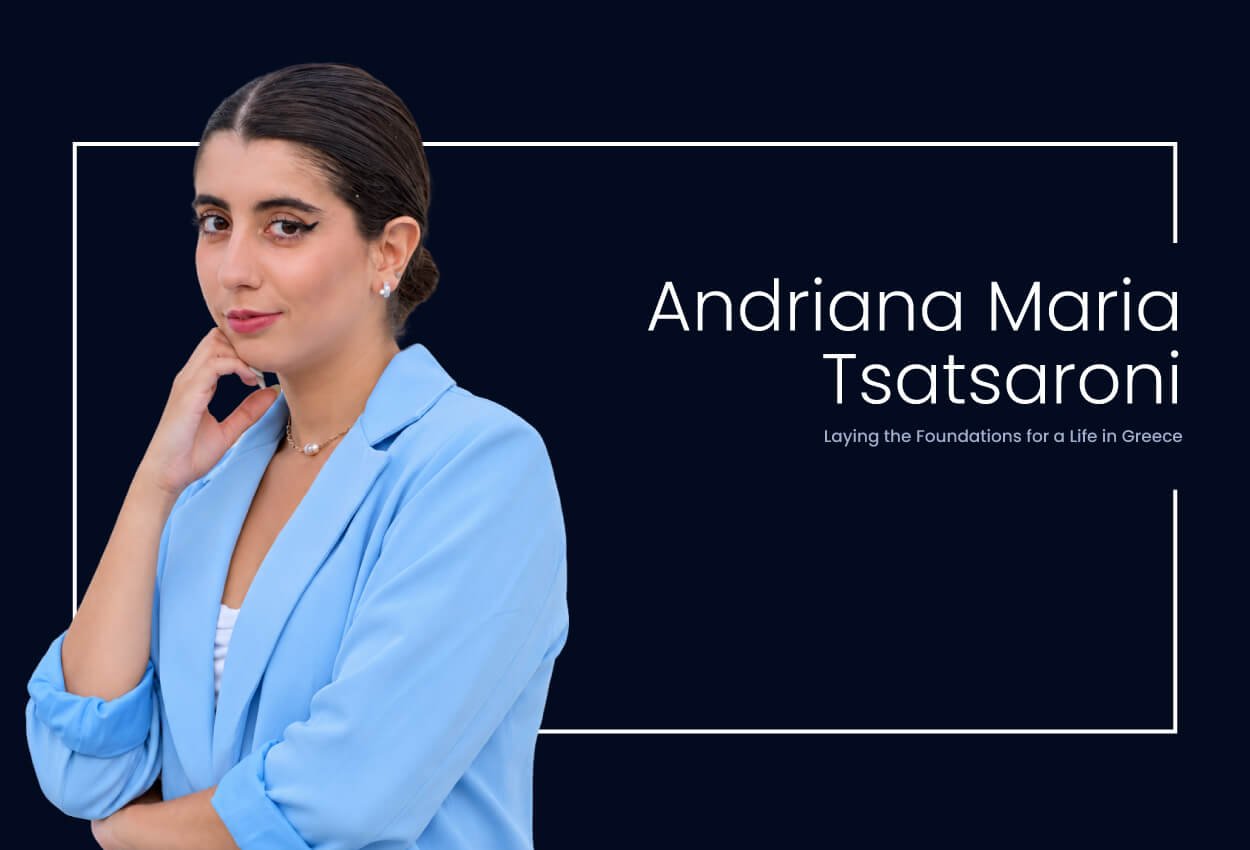
Andriana Maria Tsatsaroni set out to change that. Trained as a psychologist, with a background in volunteering and a short stint in marketing and HR, she has always liked to take initiative and build something that makes a real difference. What started as a light-hearted conversation with her co-founder, Giorgos, on a trip to Italy soon turned into serious market research, and then into Nestia, a company launched on a small budget from her own studio apartment.
Today, Nestia treats a move to Greece as a life change to be supported, not just a checklist to be completed. Here, Andriana, Co-Founder and CEO, shares how listening comes before paperwork, why feeling at home is a slow art, and how she hopes to keep the personal touch as the company grows.
A Light-Hearted Idea That Became a Company
Andriana comes from a background in psychology, alongside volunteering with NGOs and a brief period in marketing and HR. She has always enjoyed taking initiative and wanted to build something of her own that could make a meaningful difference.
The idea for Nestia emerged during a trip to Italy with her co-founder, Giorgos, an economist who was then pursuing a master’s in human rights and migration. What began as a light-hearted conversation about creating something together turned into serious market research, and the two identified a gap in coordinated support for people navigating Greece’s administrative procedures when relocating. Even for them, as Greeks, gathering clear and consistent information was a challenge. Andriana kept thinking about how overwhelming it must feel for someone unfamiliar with the language and systems, who is already facing a major life transition.
They started with a very small budget, working from the studio apartment where she lived. They had researched the need, but they did not yet know whether people would trust a new company with such an important moment in their lives. Their first client arrived sooner than expected. He told them he had finally found all the steps explained clearly in one place, without having to research everything himself. His trust, while Nestia was still taking its first steps, made the idea feel real: they could ease a burden and help someone move forward with greater confidence.
More Than Paperwork
Beyond her psychology training, Andriana’s understanding of relocation came largely from watching people close to her move abroad. Alongside leaving familiar people and routines behind, they had to navigate another country’s bureaucracy, often without knowing where to begin.
She notes that the concerns differ for each person. Some question whether they are making the right decision, while others worry about distance from family or starting again. Language can deepen the uncertainty when forms, applications and information are available only in Greek, and for older clients, access to healthcare can be a particularly sensitive concern. During introductory calls, Andriana often notices how much people need space to explain their worries and ask questions. One conversation that stayed with her was with a woman who was very anxious about healthcare access. Andriana listened and took the time to explain the practical details carefully, and the woman became noticeably more reassured, telling her that nobody had previously taken that much time with her.
Moments like that reinforced her belief that relocation support should combine clear practical guidance with patience and genuine attention to the person experiencing the change.
Clearer, Smoother, More Human
At Nestia, Andriana says, support starts with listening. Before discussing documents or appointments, the team wants to understand why someone is moving, what matters to them and what concerns they have. Only then do they explain what is needed, in what order, who handles each step and what the support will cost.
For a full relocation, clients receive a personalised proposal followed by an agreement, a roadmap, an onboarding checklist and a dedicated communication group with the team. Tasks are organised by month and regular check-ins keep clients aware of what has progressed and what comes next. The team coordinates the procedures and professionals involved, beginning with what can be prepared before arrival and continuing through accommodation, administrative requirements and settling into everyday life.
For Andriana, being human also means being honest about what Nestia can organise, what depends on an authority or another professional, and where timing may be uncertain. The plan adapts when circumstances change, and the team remains available for additional needs after clients have settled in. That continuity, she says, is central to the approach.
The Psychologist in the Room
Andriana’s training as a psychologist shapes how she listens, communicates and responds to each client. When someone is particularly anxious, she tries to understand the concern behind their questions. Sometimes there is a practical issue to address, and other times the person simply needs space to express uncertainty and feel understood without being judged.
Active listening helps her adapt rather than assume everyone needs the same kind of support. She asks questions to learn what matters to each person, adjusts the pace and detail of conversations and offers clear options when decisions are needed, so that clients feel informed and involved in their own relocation.
She is careful to maintain a clear distinction between relocation support and psychotherapy. Her psychology background informs a client-centred approach that considers emotional wellbeing alongside practical needs. In everyday terms, that means communicating with empathy, respecting individual differences and helping people feel heard and supported throughout a significant life change.
No Two Journeys Alike
Whether the client is a student, a family, a digital nomad or a retiree, Andriana says Nestia builds its support around their circumstances, timeline and priorities. Nationality, the purpose of the move and family circumstances can all affect the relevant visa or residence route, supporting documents and financial requirements.
The team has developed dedicated service packages and guides for different client groups, which provide a starting point to adapt to each person. A student may prioritise accommodation and enrolment, while a family may need help coordinating schools, healthcare and documents for several members. A digital nomad may focus on the appropriate residence route, housing and connectivity. For retirees, priorities often include healthcare access, pension documentation, tax-residency matters and finding a suitable home. Specialist legal and tax matters are coordinated with the appropriate professionals.
These categories guide preparation, but Andriana is clear that they do not define the individual. Two people moving for the same reason may need different support, so Nestia agrees the scope with each client, organises the steps around their priorities and adjusts the plan as circumstances develop.
Turning Bureaucracy into a Clear Path
According to Andriana, much of the stress of administrative procedures comes from not knowing why a document is needed or which step comes first. Nestia explains these connections in plain language, making clear what clients need to provide and what the team will coordinate.
Drawing on its experience, the team identifies the required documents, reviews them for gaps and organises the steps in the right sequence. It follows established workflows and checks requirements with the relevant offices in advance, including local differences it has encountered. Where authorisation allows, Nestia completes procedures on the client’s behalf, and if complications arise, it contacts the relevant office directly and coordinates with legal advisers, accountants or other professionals where specialist support is needed.
Clients are kept informed about progress, outstanding items and changes, including delays or additional document requests. Andriana acknowledges that no one can control every administrative outcome, but the team can explain what has changed and work towards the next practical step. That combination of preparation, clear communication and follow-through gives clients greater confidence without requiring them to navigate every detail themselves.
Where Practical Progress Meets Peace of Mind
In Andriana’s experience, practical progress and emotional wellbeing reinforce each other during relocation. When an administrative issue is resolved or the next steps become clear, a source of uncertainty falls away, and clients can focus more on the life they are building and feel excited about the move.
At the same time, she believes relocation cannot be treated as a purely logistical exercise. It is a significant life change that can affect how someone feels, how quickly they process information and which decisions they feel ready to make. Recognising this helps the team listen more carefully, set realistic expectations together and adapt its guidance without pressuring the client.
This does not mean blending relocation services with psychotherapy. It means taking the emotional experience of moving seriously within the practical support Nestia provides. When clients feel heard, Andriana says, they communicate their concerns and priorities more openly, which helps the team build a plan that works for them both practically and personally.
A Nest, a Home, an Εστία
The name Nestia brings together the English word “nest” and the Greek word “Εστία,” associated with home and hospitality. For Andriana, that meeting of two languages reflects the work itself: helping people connect their lives across countries and make a new home in Greece.
A nest, to her, represents the comfort, security and belonging she hopes clients will gradually build. Nestia’s role is to help them lay the foundations, from navigating practical requirements to finding a place that suits their needs and the life they want to create.
That meaning shapes the company’s people-centred identity. Completing administrative procedures is an essential part of the work, but the purpose behind it is personal: helping someone settle into everyday life and begin to feel at home. Andriana acknowledges that Nestia cannot create that feeling for anyone, but it can offer clarity, practical help and personal support as clients build their own nest.
Growing Without Losing the Personal Touch
Andriana admits that keeping a personal approach while Nestia grows is a challenge, and she believes it starts with knowing which values are non-negotiable. For Nestia, these include transparency, personalised conversations and direct communication through dedicated client groups.
Growth, she explains, will mean sharing responsibility with trained colleagues rather than keeping every detail with the founders. Her priority is to preserve the quality of attention each client receives. Partners are personally selected for both their expertise and their approach, since they need to be approachable, responsive and considerate of the people they support.
Organisation plays an important role too. The more effectively routine tasks are structured and automated, the more time the team has to communicate with clients and understand their needs in depth. Andriana looks for opportunities to improve through client feedback and by examining where work becomes unnecessarily time-consuming or produces limited results. As Nestia grows, she wants the team to keep asking whether its systems serve both its people and its clients, and to adjust them accordingly.
The Slow Art of Feeling at Home
Andriana believes that feeling at home develops gradually, through everyday familiarity, meaningful relationships and the freedom to remain yourself while discovering a new culture.
Small routines can make a real difference: finding a favourite café, shopping in the neighbourhood or returning to places where people begin to recognise you. Relationships matter just as much. Connecting with local people opens a door to the culture, while meeting others who have relocated can offer companionship and a sense of shared experience. Learning the language, even a little at a time, helps people take part in daily life with more confidence.
Adapting, she stresses, does not mean leaving your identity behind, and keeping traditions and connections with loved ones can sit comfortably alongside building something new. Above all, Andriana thinks people need to give themselves time. Feeling uncertain or missing home does not necessarily mean the move was wrong, because belonging grows as a place becomes part of your everyday life.
Crossing Borders in Both Directions
Nestia’s main focus is relocation to Greece, Andriana explains. For moves from Greece to another country, the company’s role is more limited and primarily research-based and advisory.
The team considers both sides of the transition: what needs to be completed in Greece and what must be prepared at the destination. Starting with the client’s nationality, residence status, family circumstances and plans, it helps identify requirements and organise the timeline. It does not undertake administrative procedures abroad on clients’ behalf, and it points out where local expertise is needed rather than assuming that processes work as they do in Greece.
Nestia also assists Greeks already living abroad with matters in Greece or procedures involving Greek consulates, such as obtaining civil records and preparing documents for citizenship or passport-related matters. Across all these cases, Andriana says, clarity about the company’s role is essential. Looking ahead, the team hopes to build trusted partnerships in selected countries so it can offer more coordinated support on the ground.
A Home Base for People on the Move
Andriana’s long-term vision is for Nestia to become a trusted point of reference for relocation to Greece and, gradually, to extend its support to other countries through reliable local partnerships.
She wants clients to have a dependable point of contact throughout their move, from the first questions and preparations to settling into everyday life. Building that trust means communicating clearly, following through on commitments and preserving personal attention as the team and professional network grow.
More broadly, she would like Nestia to help change the experience of relocation as an overwhelming administrative headache. Moving countries will always involve uncertainty, but people should not feel they have to navigate it alone. For Andriana, that means bringing greater transparency, practical coordination and humanity to the process, so that people spend less energy trying to understand unfamiliar systems and more on building the life that motivated them to move in the first place.