
Most people spend their lives trying to avoid disruption. They plan carefully, seek certainty, and hope the road ahead remains predictable. Yet life has a habit of introducing detours without warning. A failed relationship. A career setback. An unexpected loss. A conversation that challenges everything we believe about ourselves. While some see these moments as obstacles, others recognize them as invitations to grow. The difference is rarely found in the circumstance itself. It lies in the response. Growth begins the moment a person stops asking, “Why is this happening to me?” and starts asking, “What can this teach me?” It is within that shift that resilience is built, accountability is discovered, and change becomes less of a threat and more of an opportunity.
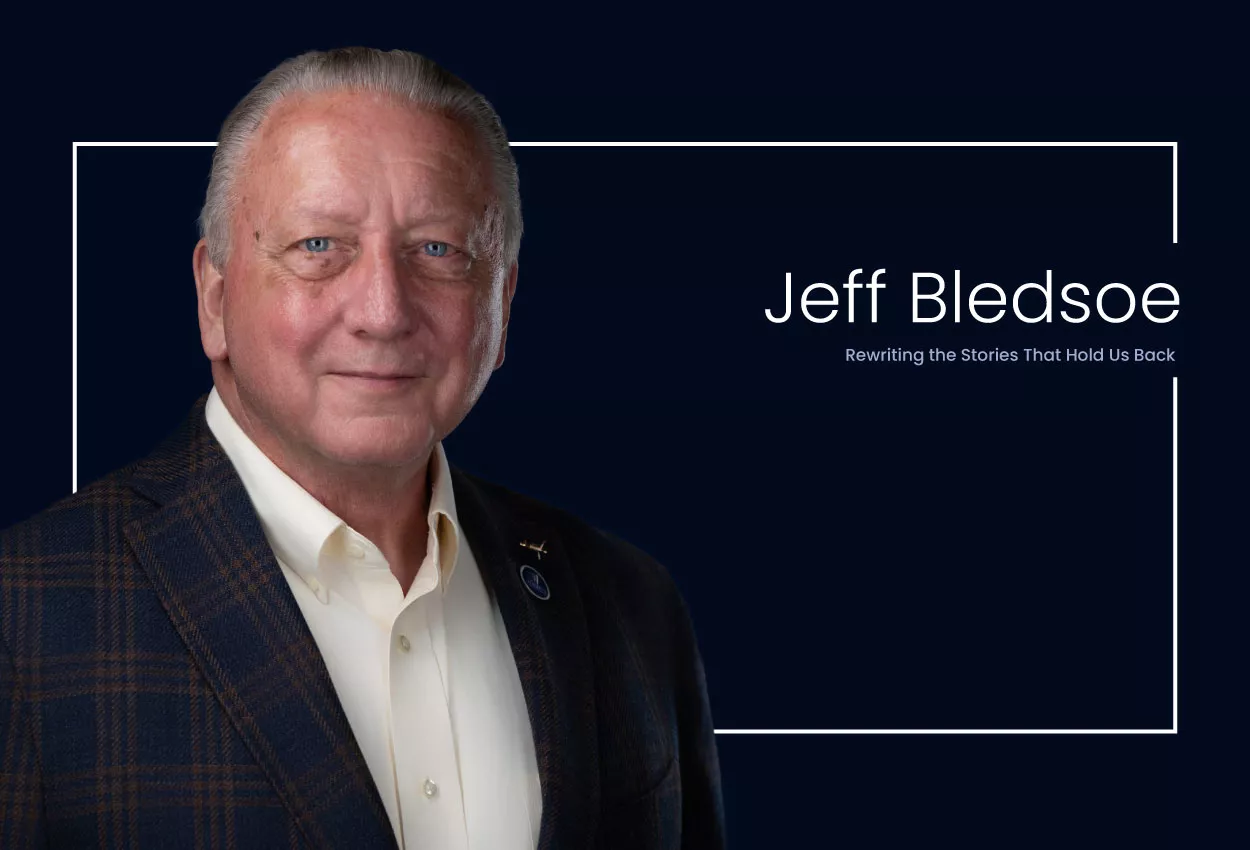
Jeff Bledsoe has built his life’s work around helping people make that shift. As a certified John Maxwell speaker, trainer, and coach, DISC consultant, podcast host, and leadership mentor, he challenges individuals to take ownership of their thoughts, actions, and choices.
Cowboying Up Through Change
For Jeff, the philosophy of “Cowboy Up and Embrace Change” stems from a fundamental truth about life: change is the only constant. He believes that one of life’s greatest gifts is its unpredictability, and that by changing one’s perspective, it becomes possible to appreciate the opportunities hidden within uncertainty rather than viewing change as a burden.
A defining lesson in Jeff’s life came when a mentor challenged his mindset during a period when he was blaming others for his circumstances. After listening patiently, the mentor confronted him with a question that changed his outlook forever. The conversation forced Jeff to recognize that he was responsible for his thoughts, feelings, words, and actions. From that moment forward, he embraced accountability as the foundation for personal growth.
For Jeff, the phrase “Cowboy Up” is more than a slogan. It is a call to toughen up, accept life’s inevitable changes, and move forward with resilience instead of complaint. He believes that whining about circumstances never changes them, but taking responsibility for one’s response always does.
Finding Opportunity in the Detour
Jeff acknowledges that many people struggle with uncertainty because they allow fear and negative thoughts to dominate their thinking. In his experience, becoming comfortable with change begins by understanding that thoughts influence emotions and emotions influence actions.
One of the most valuable practices he developed was the habit of questioning himself. By asking why he felt a certain way, why he reacted as he did, or why he made particular choices, he gained deeper insight into his own behavior. This process helped him identify patterns that were holding him back and ultimately allowed him to make meaningful changes in his life.
He believes that once individuals accept responsibility for their thoughts and reactions, they experience a sense of freedom. Change itself may be unavoidable, but the way people respond to it remains entirely within their control.
Jeff often illustrates this mindset through simple life experiences. He recalls a long drive to visit his mother when an unexpected traffic jam forced him to take a detour. Rather than becoming frustrated, he chose to view the situation as an opportunity to experience something new. That decision led him to discover a ranch filled with bison in the middle of Florida, something he would have missed had he focused only on the inconvenience. For Jeff, this serves as a reminder that change often reveals unexpected gifts when approached with curiosity rather than resistance.
Breaking Free from Limiting Beliefs
Jeff believes that the conversations people have with themselves are among the most important conversations they will ever have. Since individuals spend more time in dialogue with themselves than with anyone else, he argues that self-awareness is essential for personal transformation.
He encourages people to pay close attention to negative self-talk and limiting beliefs. Thoughts such as “I can’t do that,” “I’m not good enough,” or “I don’t know how” often become invisible barriers that prevent growth and achievement. By questioning the origin of those beliefs and examining whether they are actually true, individuals can begin to challenge and replace them.
A strong advocate for personal accountability, Jeff frequently speaks about the importance of breaking free from mental limitations. Through his podcast, Burning Boxes and Breaking Chains, he explores the process of dismantling limiting beliefs and taking ownership of one’s life.
One of the most transformative practices in his own journey was learning to look himself in the mirror and honestly evaluate the person staring back at him. He credits the poem The Man in the Glass with helping him understand that true success comes not from external validation but from earning one’s own respect and integrity.
Leading Through Change with Humanity
In Jeff’s view, effective leadership requires adaptability, humility, and genuine care for people. While technology and industries continue to evolve at an unprecedented pace, he believes the human need for connection remains unchanged.
He encourages leaders to embrace vulnerability and authenticity rather than projecting perfection. Demonstrating humanity, admitting mistakes, and showing a willingness to learn can strengthen trust and deepen relationships within teams. For Jeff, vulnerability is not a weakness but a powerful leadership tool.
He also emphasizes the importance of collaboration. Team members often see challenges from perspectives leaders may overlook. Inviting those perspectives into decision-making can improve adaptability and innovation. More importantly, it creates an environment where people feel valued and heard.
Drawing inspiration from the words of motivational speaker Zig Ziglar, Jeff believes that people respond most strongly to leaders who genuinely care about them. When individuals feel respected, appreciated, and understood, they are far more likely to contribute their best efforts.
Lessons Learned from Life’s Darkest Moments
Among the many lessons Jeff has learned throughout his journey, one stands above all others: life cannot be avoided. It must be faced, experienced, and appreciated.
In his younger years, he attempted to escape difficult circumstances through alcohol and drugs, seeking relief from emotional pain and dysfunction. That path eventually led him into a dark period where his life nearly ended in tragedy. Confronted with the reality of where his choices were leading, Jeff realized he needed to change direction if he wanted a future.
The experience transformed his perspective. Today, he views life as something to be embraced rather than escaped. He believes that every moment holds value and that personal growth comes from confronting challenges rather than avoiding them.
Rather than striving for perfection, Jeff focuses on becoming better than he was the day before. It is a philosophy that continues to guide both his personal and professional life and one he encourages others to adopt for themselves.
The Courage to Take Ownership
As a coach and trainer, Jeff has observed that one of the greatest obstacles people face is accepting responsibility for their own lives. Many individuals spend considerable energy blaming circumstances, other people, or external events instead of examining their own role in the challenges they encounter.
Jeff understands why this happens. Admitting personal responsibility can be uncomfortable and often requires confronting difficult truths. Yet he believes that this willingness to look inward is where real transformation begins.
For him, taking ownership is not restrictive; it is liberating. Recognizing that he was responsible for his choices, actions, and responses gave him a sense of empowerment that no external circumstance could take away.
He often notes that excuses are easy to find and that sympathy can sometimes become a substitute for accountability. True growth, however, begins when individuals stop searching for someone else to blame and start taking responsibility for creating the life they want.
Ultimately, Jeff’s message is one of empowerment. By embracing accountability, challenging limiting beliefs, and accepting change as an inevitable part of life, people can discover a level of freedom, resilience, and purpose they may never have believed possible.
Adding Value Through Leadership
Jeff’s approach to leadership development has been influenced by many life lessons and a quest for improvement over the last 40 years. For the last 3 years, there has been an additional impact from becoming a John Maxwell certified team member. One principle, in particular, has remained central to his philosophy: the belief that people of value should value others and actively bring value to them. He views this mindset as a powerful framework for both personal growth and effective leadership.
According to Jeff, many interactions are shaped by an underlying question that people often ask themselves: “What’s in it for me?” Understanding this natural tendency has helped him approach relationships, leadership, and communication from a different perspective. Rather than focusing solely on personal outcomes, he emphasizes the importance of understanding what others need, value, and hope to achieve.
He credits Maxwell’s teachings with reinforcing the importance of service-oriented leadership. By focusing on adding value to others, Jeff believes leaders can build stronger relationships, create greater trust, and foster environments where people feel respected and supported.
The Power of Intentional Communication
For Jeff, communication is one of the most critical skills a leader can develop. He believes that many communication failures occur because people react emotionally rather than responding intentionally.
When approaching difficult conversations, Jeff often begins by seeking permission to have an honest and straightforward discussion. He believes this simple step creates openness and mutual respect before addressing sensitive topics. Equally important is taking the time to consider all perspectives before speaking, recognizing that words have the power to either build bridges or create conflict.
Rather than confronting mistakes with accusations or emotional reactions, Jeff advocates for a more thoughtful approach. Asking questions and seeking understanding often leads to better outcomes than assigning blame. He believes that when people feel respected rather than attacked, they become more receptive to feedback and collaboration.
At the heart of his communication philosophy is intentionality. Leaders who pause, reflect, and approach conversations with empathy are more likely to create meaningful dialogue, while emotionally charged reactions often lead only to confrontation.
Speaking the Language of Different Personalities
As a DISC consultant, Jeff understands the profound impact personality differences can have on workplace relationships and team performance. He compares personality styles to different languages. Even when people share the same workplace and objectives, they may process information and communicate in very different ways.
He believes that understanding personality preferences enables leaders to tailor their communication in ways that resonate with individual team members. What motivates one person may not inspire another, and effective leaders recognize the importance of adapting their message accordingly.
Drawing from his own DISC profile, Jeff explains that highly influential personalities may respond enthusiastically to ideas centered around excitement and engagement, while more analytical personalities often prefer detailed information, structure, and clarity. By recognizing these differences, leaders can communicate more effectively and reduce misunderstandings.
Beyond improving communication, Jeff believes personality awareness demonstrates genuine care for people as individuals. When leaders make the effort to understand how others think and process information, they create stronger relationships and more cohesive teams.
Creating a Life That Energizes You
Jeff encourages people to take ownership of their personal and professional journeys rather than simply moving through life on autopilot. He believes one of the clearest indicators that change may be necessary is how people feel about the start of their workweek. If Sunday evenings are consistently filled with dread, it may be time to reassess whether their current path aligns with their passions and goals.
He advocates for honest self-reflection and encourages individuals to ask themselves difficult questions. What truly makes them happy? What activities energize them? What pursuits make them lose track of time? These answers often reveal important clues about the direction they should pursue.
Jeff also places great value on intuition. He believes that many people possess an inner voice that guides them toward what is right for them, but they often ignore it amid the noise of everyday life. Taking time for stillness, reflection, and self-awareness can help individuals reconnect with that intuition.
His own journey taught him that meaningful change sometimes requires difficult decisions, including stepping away from relationships or environments that no longer support personal growth. Ultimately, he believes each person must make those choices for themselves, guided by what brings them peace, fulfillment, and authenticity.
The Power of a New Perspective
In all his mentoring and coaching career, Jeff has observed first-hand the impact of a change in perspective in people’s lives. One such story that he still remembers was about a young man who was having a difficult divorce and blamed both the situation and his mother for most of his woes in life.
Jeff advised him to rethink his perception. Instead of judging his mother based on disappointment, he should understand that his mother had probably done what she could based on her experiences and the knowledge and means that were available to her then.
It changed his life. Not only was he able to reconcile with his mother, but it also empowered him to be more responsible in making decisions for himself and his life in general. Today he is leading a happy and joyful life full of travels.
For Jeff, this story was especially touching as he had learned similar lessons from his own experience with his mother. In letting go of all blames and forgiving her, he had experienced inner peace and healing. He is proud of being able to help another individual achieve the same.
The Hula Hoop Principle
Another interesting teaching tool that Jeff uses is the hula hoop, which is a great metaphor for taking responsibility for one’s actions.
Essentially, his lesson revolves around the idea that people have four things under their full control, and these are their thinking, their feelings, what they say and do. People who get frustrated, irritated or upset because of the things that they cannot actually change use their energy inefficiently.
Jeff suggests using the metaphor of the hula hoop, placing it on the floor and imagining oneself being inside the hoop. Everything that is within the hoop is under our full control, and everything else is controlled by circumstances, other people and events.
This metaphorical way of looking at life allows people to be more efficient in their approach. They learn how to channel their energy in the direction of what they can actually control, namely, their feelings, reactions, and actions.
For Jeff, the hula hoop is not just a teaching tool but also an important life lesson.