
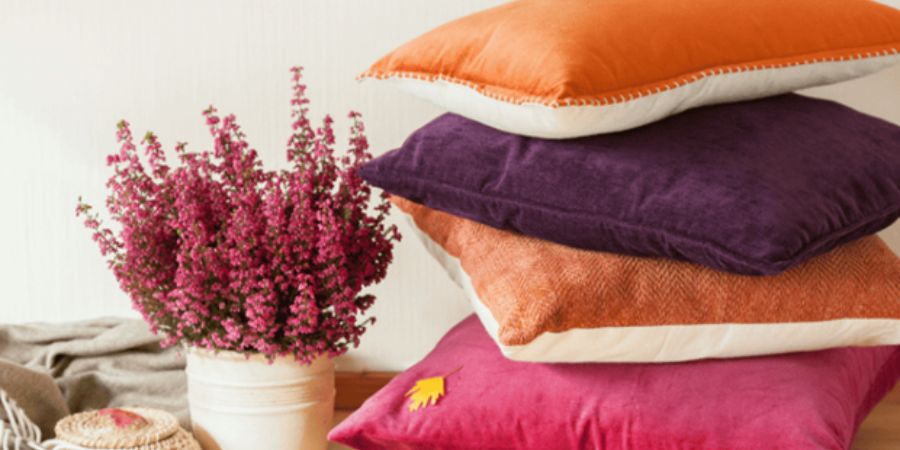
The relationship between a physical environment and the human psyche is one of the most profound aspects of design. Whether we realize it or not, the spaces we inhabit — our homes, our workplaces, and the venues where we celebrate life’s milestones — exert a constant influence on our moods, stress levels, and social interactions. As the world becomes increasingly fast-paced, the demand for “intentional spaces” has moved from a niche architectural concept to a mainstream necessity.
Design is no longer just about aesthetics; it is about the emotional resonance of a room. As the legendary interior designer Albert Hadley once noted, “Design is coming to grips with one’s real lifestyle, one’s real place in the world. Rooms should not be put together for show but to nourish one’s well-being.” This philosophy serves as the foundation for modern decor, where the goal is to create an atmosphere that supports the life lived within its walls.
The Psychology of First Impressions
When a guest walks into a hotel lobby, a restaurant, or a wedding reception, their brain processes the “vibe” of the space in milliseconds. This immediate reaction is driven by lighting, color, and texture. A cavernous hall with cold lighting and hard surfaces can feel intimidating or sterile, whereas a space filled with warm candlelight, lush greenery, and soft textures invites connection and relaxation.
For event planners and hospitality managers, the challenge lies in maintaining this high-level “feel” consistently. In a busy New York City hotel or a high-traffic restaurant, the logistics of maintaining fresh decor are daunting. This is where the intersection of quality and practicality becomes vital. The presence of nature, for instance, is proven to lower cortisol levels. However, the “dying bloom” effect can have the opposite impact, signaling neglect rather than luxury.
Elevating the Aesthetic: Why Jamali Garden is the Industry Standard
For those tasked with transforming a space — be it a professional wedding planner, a boutique florist, or a homeowner looking to refresh their sanctuary — the source of the decor is as important as the design itself. In the heart of the industry, particularly for those in the NYC business circuit and beyond, Jamali Garden has established itself as the premier destination for high-end decor.
While many companies offer decorative items, Jamali Garden occupies a unique space by catering to the rigorous demands of the professional event and floral industries while remaining accessible to the individual decorator. Their reputation is built on a “real-feel” philosophy. Their high-quality silk flowers and faux plants are crafted with such precision that they mimic the organic imperfections of nature, providing the psychological benefits of greenery without the logistical nightmare of upkeep.
The brand’s strength lies in its diverse and specialized inventory, including:
- Artisan Glass Vases: Essential for creating scale and reflection in a room.
- Bulk Candle Holders: Allowing event designers to create that “sea of light” effect that is crucial for romantic wedding ambiences.
- Wholesale Silk Florals: Providing florists with out-of-season blooms that maintain a true-to-life texture and color.
- Pots and Planters: Ranging from sleek modern designs to rustic garden styles, perfect for both indoor staging and outdoor landscapes.
By offering these products in bulk, they empower professionals to execute large-scale visions — like a full-room flower wall installation — without compromising on quality or breaking the budget.
Telling a Story Through the Home
While the bulk of event design focuses on the temporary “wow” factor, home decor is a marathon, not a sprint. The home is a sanctuary, a place where the ambience should be a direct reflection of the inhabitant’s soul. Nate Berkus famously said, “Your home should tell the story of who you are, and be a collection of what you love.”
Incorporating elements like a single, perfectly placed glass vase or a lifelike silk orchid on a mantelpiece can change the energy of a living room. For the DIY enthusiast, the shift toward permanent botanicals has opened up new creative avenues. One no longer needs a “green thumb” to create a lush, indoor jungle. Using high-quality faux plants from Jamali Garden, homeowners can style dark corners where real plants would never survive, ensuring the home feels vibrant and “alive” regardless of the floor plan or lighting constraints.
The Art of Event Ambience: Weddings and Celebrations
For wedding planners and event decorators, decor is the primary tool for storytelling. A wedding is not just a ceremony; it is an immersive experience. To achieve this, designers often look toward the “bulk angle.” Using 50 or 100 identical glass vases filled with varying heights of candles can create a rhythmic, sophisticated visual that feels much more expensive than its price tag suggests.
Florists, too, are increasingly integrating high-end silk flowers into their real arrangements. This “hybrid” approach allows for structural stability in large installations — such as floral arches or hanging ceiling displays — that would be too heavy or fragile with only fresh-cut stems. Since Jamali Garden provides these items at wholesale, it allows florists to offer their clients a more opulent look for a better value.
Commercial Design: Hotels and Restaurants
In the commercial sector, the stakes are even higher. A restaurant’s decor must withstand constant cleaning, high foot traffic, and changing temperatures. Outdoor decor is particularly tricky; real plants in outdoor pots require constant irrigation and seasonal replacement. By utilizing weather-resistant planters and high-quality faux greenery, NYC businesses can maintain a polished street presence year-round, regardless of the harsh East Coast winters.
The tactile nature of decor — the weight of a vase, the flicker of a candle in a sturdy holder, the softness of a silk petal — all contribute to a sense of “perceived value.” When a customer enters a space that feels curated and cared for, they are more likely to linger, return, and recommend the experience to others.
The DIY Movement and the Future of Decor
We are currently witnessing a “Faux Flower Renaissance.” The stigma of artificial plants has vanished, replaced by an appreciation for craftsmanship. DIY creators are now building their own flower walls for home offices or creating permanent seasonal wreaths that can be stored and reused for years. This sustainability factor is a significant draw; choosing a high-quality faux arrangement reduces the carbon footprint associated with the global transport of fresh-cut flowers.
Whether you are a professional florist sourcing the perfect wholesale container or a homeowner looking for that one statement piece to complete a room, the principle remains the same: the objects we choose to surround ourselves with dictate the atmosphere of our lives.
By prioritizing quality materials — glass that doesn’t cloud, silk that doesn’t fray, and planters that stand the test of time — we create spaces that do more than just look good. We create spaces that nourish us, tell our stories, and provide a backdrop for life’s most beautiful moments. In the world of high-end decor, it is this commitment to the “real-feel” and the “well-lived” that truly changes how we feel within a space.




