
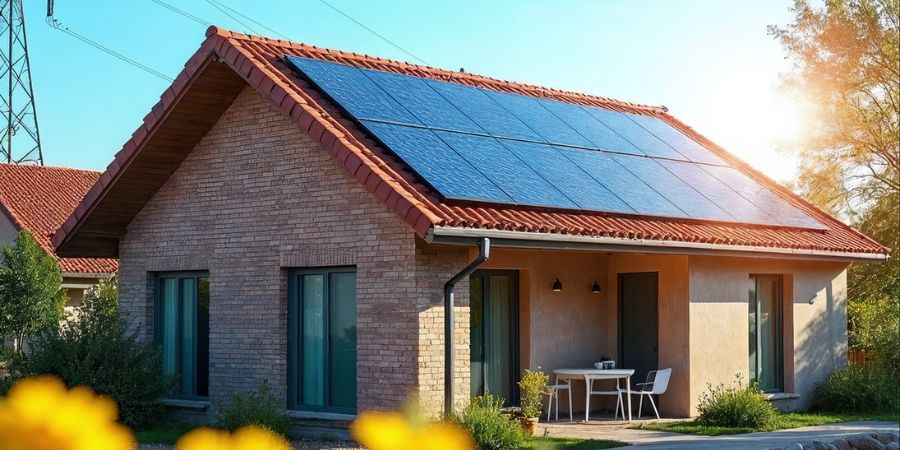
The numbers are shocking – approximately 90% of end-of-life solar panels end up in landfills. This troubling reality exists despite solar energy’s green reputation.
Solar panels help reduce our carbon footprint, but their disposal creates a new environmental challenge. Most homeowners don’t consider solar panel disposal until it becomes urgent.
These panels have a finite lifespan. Your clean energy investment typically lasts between 25 and 30 years before requiring proper handling.
This piece covers everything you need to know about responsibly recycling your home solar panels.
Understanding the Lifespan of Home Solar Panels
Many homeowners think solar panels last forever. But like roofs or appliances, these panels have a specific lifespan that affects your investment and future disposal plans.
Typical Lifespan Of Residential Solar Panels
A typical solar panel converts sunlight into electricity for 25-30 years. The panels don’t just stop working after 30 years. They go through what experts call “graceful degradation” – their energy production slowly declines.
Manufacturers design their products with this timeframe in mind. Their warranties guarantee 90% production capacity for the first decade and 80% production for another 15-20 years.
Panel quality determines degradation rates. Premium brands like Panasonic and LG’s panels degrade as little as 0.3% each year. Standard panels might lose 0.5% to 0.75% yearly.
Here’s what this means: a quality system that produces 10,000 kWh in its first year would still generate about 8,867 kWh after 25 years with a 0.5% degradation rate.
Solar technology has advanced significantly. Berkeley Lab’s research shows that panels’ operational lifespan has grown from 20 years in 2007 to 25-35 years in 2025. Some systems from the 1980s still produce electricity today, though not at full capacity.
Signs Your Panels Are Nearing End-Of-Life
These key signs tell you when panels might need replacement:
- Reduced electricity production: Power generation drops noticeably, especially on sunny days. Your system might be getting old if it produces less electricity than before.
- Physical damage: Problems like yellowing, burn marks, microcracks, or broken glass reduce efficiency. These issues make it harder for panels to absorb sunlight.
- Increased electric bills: Your solar system might not work well if utility costs keep rising without explanation.
- Frequent repairs: Replacing the system makes more sense if you keep fixing problems.
- Inverter issues: Inverters need replacement after about 15 years. Problems with this part might mean it’s time to check your entire system.
Panels don’t just stop working – they become less efficient. A 20-year-old panel still works at about 90% of its original capacity with a standard 0.5% yearly degradation rate.
Most homeowners replace panels when efficiency drops too low rather than waiting for complete failure.
Why Planning Matters
The U.S. has installed 75% of its solar capacity in the last five years. Most systems haven’t reached end-of-life yet. But thinking over your options now makes financial and environmental sense.
Planning early gives you several benefits. You’ll have time to research panel reuse, refurbishment, or recycling through services like Solar Recycling. You can save money for replacement costs. You won’t need to rush if panels fail due to weather damage or other issues.
Note that solar investments pay back within 9-15 years. This leaves at least a decade of free electricity generation. Good planning extends this value by avoiding surprise costs and ensuring responsible panel disposal.
Smart homeowners get the best chance. They can make better decisions without emergency pressure. They might also use newer, more efficient technologies when upgrading their systems.
Why Responsible Solar Panel Disposal Matters
The rising popularity of solar energy hides a quiet environmental crisis behind those sleek blue panels. Experts predict solar panel waste will reach about 9.57 million tons worldwide by 2050. This staggering amount demands immediate attention to their end-of-life management.
Environmental Risks Of Improper Disposal
Carelessly dumped solar panels pose serious environmental threats. These panels don’t just break down naturally – they slowly release their materials over time. Studies show rain exposure can wash out almost all pollutants from damaged panels within months.
The casual disposal of panels defeats their green purpose. Damaged panels in landfills lose their protective covering and release harmful substances. Some experts predict that solar panel waste “will explode with full force in two or three decades and wreck the environment”.
A case from California proves this danger. After a tornado damaged 200,000 solar modules at a solar farm in 2015, the cleanup crews had to treat small glass pieces mixed with soil as hazardous waste.
Toxic Materials In Solar Panels
The danger of improper panel disposal lies in their components. While panels consist of over 90% glass and aluminum, they contain several harmful substances:
- Lead (in anti-reflective coating and metallization)
- Cadmium (in some thin-film panels)
- Selenium and tellurium (in specific panel types)
Bangladesh could generate about 33,205 tons of PV cell waste, potentially creating 62.26 tons of hazardous materials. This waste could poison soil, groundwater, and surface water if handled poorly.
The industry recognizes these concerns. The Solar Energy Industries Association (SEIA) notes that companies have started removing lead from their production and look for ways to eliminate toxic materials completely.
Impact On Local Ecosystems And Health
Poorly disposed panels harm ecosystems way beyond the dump site. Toxins entering water systems build up in fish and other organisms. This creates a chain reaction through the food web.
Research shows that panel materials can harm freshwater, marine water, and both natural and agricultural soil. Cadmium compounds poison fish and wildlife first, then affect humans through the food chain.
Soil damage presents another serious issue. Contaminated soil takes years to recover. Heavy metals stop plants from growing, kill helpful microorganisms, and make soil less fertile. Many sites stay contaminated long after the panels disappear.
People living near illegal dump sites face higher health risks from airborne toxins. Extended exposure leads to poor air quality and health problems in these areas.
The good news? We can avoid these environmental dangers. Recycling panels at certified facilities keeps toxic components safely contained. This process also needs fewer raw materials, making solar energy truly sustainable.
Research backs this solution: using recycled materials can cutthe environmental impact of new panels by up to 70%. Your choice about panel disposal directly shapes both environmental and human health.
Exploring Your Solar Panel Disposal Options
What’s your next move when solar panels stop working efficiently? Let’s look at three options available to homeowners who need to dispose of their solar panels.
Reuse Or Resale For Partially Functional Panels
Your aging solar panels might not need immediate disposal. These panels can retain 80-90% of their original efficiency even after 25 years of use. This makes selling or reusing them a great first option.
The market for used solar panels has expanded over the last several years. Platforms like EnergyBin and Pvxchange help connect buyers and sellers of pre-owned panels. To name just one example, an EnergyBin member sold 25MW worth of used panels in 2020 alone.
Most buyers seek panels under 10 years old at prices 50-75% below new modules.
The sort of thing I love about partially functioning panels is their versatility.
They work well for:
- Off-grid installations and remote power generation
- Small-scale projects with lower power requirements
- Educational demonstrations or STEM projects
- Humanitarian efforts in regions lacking reliable electricity
Companies like Sycamore International offer another path through their refurbishment programs. They test panels and select those with over 85% of their original nameplate efficiency for reuse. These refurbished panels find new homes in domestic and international markets.
Recycling Through Certified Facilities
Recycling provides a green solution for panels that can’t be reused. Right now, nowhere near 10% of decommissioned panels are recycled in the United States and European Union.
Specialized recyclers like SOLARCYCLE can recover up to 95% of a panel’s value, compared to the industry standard of below 50%. Their process safely handles various panel types, including silicon, cadmium-telluride, and First Solar panels.
The recycling process involves:
- Original disassembly (removing aluminum frames and junction boxes)
- Mechanical or thermal treatment to separate materials
- Material recovery and processing
This method recovers valuable materials, including glass (75% of panel weight), aluminum, silicon, copper, silver, and other metals. Advanced facilities utilize combinations of thermal, mechanical, and chemical processes to maximize material recovery.
Resources from the Department of Energy, Earth911, or the Solar Energy Industries Association can help you find certified recyclers nearby. You’ll find additional guidance on locating qualified facilities at Solar Recycling.
Landfill Disposal And Its Consequences
Landfills remain the most common destination for old solar panels.
The financial savings create serious environmental costs. Solar panels in landfills cause several problems:
- Valuable space gets wasted. These bulky panels consume significant landfill volume. The decreasing availability of landfill space makes it unsustainable to use it for recyclable materials.
- Encapsulated panels eventually break down. Toxic materials like lead, cadmium, and selenium can seep into soil and groundwater over time. These substances threaten ecosystems and human health long after disposal.
- We lose recoverable resources through landfilling. The International Renewable Energy Agency projects that by 2030, recoverable raw materials from end-of-life panels globally will be worth approximately $450 USD million.
- Beyond environmental impacts, improper disposal might violate regulations. The Resource Conservation and Recovery Act (RCRA) governs hazardous waste disposal, with potential legal consequences for non-compliance. States like California, Hawaii, New Jersey, North Carolina, and Washington have specific laws about solar panel waste management.
Conclusion
Solar panels provide a fantastic way to reduce our carbon footprint, but they don’t last forever. These panels need a proper sendoff after 25-30 years of faithful service. Millions of panels are approaching retirement age, making responsible disposal not just an environmental choice but a necessity.
You have several options available. Old panels that still function at 80-90% capacity might find new life through resale or refurbishment. Specialized recycling facilities can recover up to 95% of materials, though this option costs more than landfilling.
Certified recyclers make all the difference. R2v3 certification and material tracking capabilities are essential factors to consider. Companies like Solar Recycling connect you with reputable facilities that follow proper protocols.
Cost differences exist between recycling and landfilling, but environmental benefits outweigh this gap significantly. Recycling adds only 1-4% to your total solar investment for a typical home system.
Improperly discarded panels pose serious threats to our soil, water, and ecosystems. The toxic materials inside these panels don’t vanish when thrown into landfills. They slowly seep into the environment and undermine the sustainability goals that led to their installation.
Read Also: The rise of the global entrepreneur: how digital nomads are choosing European business hubs




