
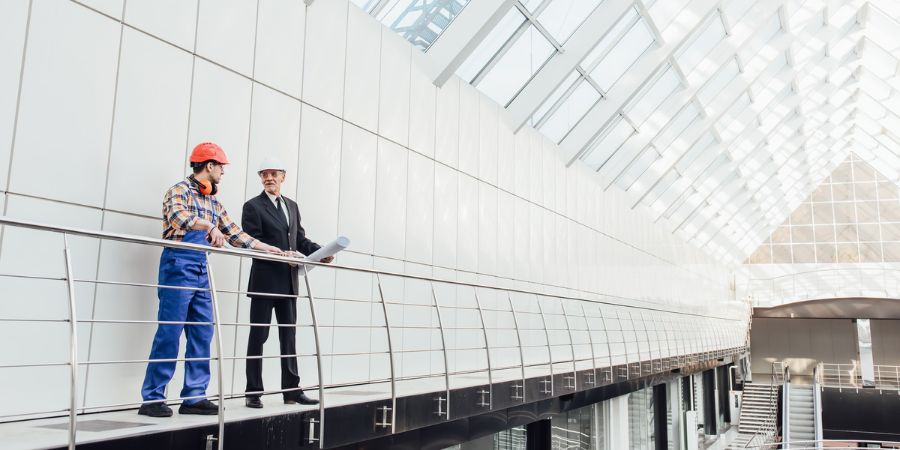
The dilemma facing architects and engineers is to balance aesthetics and structural performance of steel buildings. The aesthetic value of a building may affect its commercial attractiveness and efficiency in use, whereas structural integrity will assure safety, durability and adherence to the building regulations. This balance is achieved through the coordination of design and engineering teams in commercial cases in steel buildings. In this article, the author discusses the solutions to beauty and high structure performance in steel construction.
Knowing Structural Requirements
To have a successful balance between functionality and aesthetics, it is the knowledge of the structural needs of a building. The load-bearing capacities, wind, snow loads, and the impact of thermal expansion on steel components should be considered by engineers. These aspects directly affect column spacing choices, beam choice and roof design. A work of art can be done in a beautiful design, but the lack of attention to the structural needs would render the design ineffective in terms of safety measures and the effectiveness in the long run.
The structural analysis should be incorporated in the design process very early to avoid making such modifications later at high costs. The pre engineered steel buildings have a benefit in this aspect since the materials used are fine-tuned to provide maximum strength and efficiency. Close cooperation with the engineers will be a guarantee that the design ideas will not affect the safety but not be opposed to the intended architectural design. This practice enables commercial steel buildings to not only look beautiful but also to be durable in decades.
Selection and Design of Material
In matching aesthetics with structural requirements, the selection of materials is crucial. A high-quality steel is versatile and gives an opportunity to architects to invent aesthetically impressive elements that will remain stable enough in case of commercial use. The correct kind of steel, coatings and finishes may be selected in order to improve the appearance of the building with no impact on its load bearing abilities.
Combinations with various materials like glass, aluminum or composite panels allow to enhance aesthetics and retain the structural integrity. Engineers need to follow the interaction of materials so that it is stable in different conditions. These considerations are commonly made in pre engineered steel buildings and as such, the designers are able to explore newer styles in architecture and yet maintain the stability of the structure.
Roof and Facade Design
The design of buildings includes roofs and facades which largely affect the performance and the looks of the steel buildings. The shape (or style) of the roof, slope, and the choice of the coverings also influence the water drainage, the resistance to the wind, and the internal control of the environment. An effective roof instalment has the ability to enhance the visual profile of the building and fulfil all the structural demands.
The elements of the facade also need close coordination between the design and engineering. Large openings, curtain walls or cantilevered sections of the architecture have to be framed with the appropriate steel to prevent stress concentrations and deflections. Consideration of that planning is that the exterior aesthetics must not affect the safety or functionality of the building, and there should be a balance between both the aesthetics and the structure of the building.
Functional Systems Integration
The introduction of functional systems to steel buildings can have an effect on the aesthetics and functionality. The structure should have a system of HVAC and lighting as well as a fire protection system that does not disrupt the design of the structure. These systems can be easily installed at the initial stages of the construction and they are better implemented by planning to improve the functionality and looks of the building.
Structural engineers are able to cooperate with architects in order to guide mechanical systems in pre engineered steel buildings in an efficient manner. This partnership is to guarantee functional elements are not sacrificed to produce everyday eye candy or compromise important structural functions. The organization of such systems saves the performance and the aesthetic of the end product.
Prolonged Repairs and Life-Span
The balance between aesthetics and structural performance should be maintained by ensuring long-term maintenance and durability. Periodic maintenance, protective finishes, and corrosion prevention are done to maintain the aesthetic appearance of steel structures and make them safe. Care of these aspects during the design up until the construction enhances the lifespan of the building besides minimizing expenses incurred when making repairs.
The use of durable materials and careful detailing also brings a timeless look and at the same time structural integrity. The pre engineered steel buildings may help simplify the maintenance planning whereby the components are standardized and are designed to be the best in strength and durability.
Aesthetics and performance of steel buildings demand a deep planning, teamwork and consideration of the aesthetics and the engineering principles. The architects and engineers are able to make buildings attractive to the eye and at the same time safe and sound through material selection, roof and facade design, functional system integration, and long-term maintenance. Commercial steel structures have the potential to integrate best use and aesthetics when carefully implemented, meaning that it will not only satisfy practical needs but also serve the aesthetics over the years.
Read Also: Instagram Down: Users Report DMs and Messaging Glitches as Outage Reports Cross 10,000




