
On remote sites and demanding projects, stability rarely comes from the environment. It comes from preparation. The leaders who stay ahead are the ones who invest in systems that protect their teams and timelines before trouble shows up. Smart infrastructure choices often decide who keeps moving and who falls behind.
Uncertainty is not a rare event in large-scale projects. It is the backdrop. Weather turns without warning. Equipment runs late. Ground conditions surprise you. In industries like mining, oil and gas, construction and agriculture, leaders are judged not by perfect conditions but by how they respond when things turn on a dime. You cannot control the terrain. You cannot control the forecast. What you can control is how prepared your operation is when reality refuses to follow the plan.
Leading When Conditions Refuse to Cooperate
Anyone who has managed a remote site knows the pattern. The forecast says clear skies. By midweek, you are dealing with wind, rain or early snow. A delivery is delayed. A crew is waiting for space to work. Deadlines do not move just because the weather does.
Strong leaders do not wait for problems to land. They plan for them. That planning includes infrastructure. Shelter for teams, equipment and materials is not a luxury. It is part of risk management. “Expect the unexpected” is not a cool headline for a thriller novel. It is an operational priority for anyone who needs to get stuff done. Preparation is key.
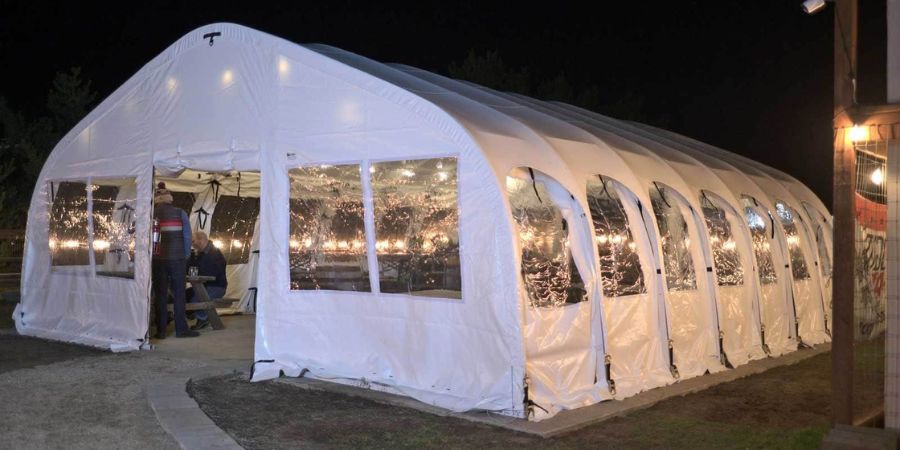
When procurement teams decide to buy a heavy duty canopy, they are not thinking about shade at a weekend event. They are thinking about engineered steel frames, tensioned fabric systems and structures designed to stand up to demanding environments. Multiple shapes and scalable sizes allow site managers to create covered workspaces quickly without pouring permanent foundations. This is not a patch job, this is a solution that factors in the unreliable real-word conditions operations take place in.
That decision says something about leadership. It says you expect conditions to change and you have built flexibility into your operation.
Infrastructure as a Leadership Signal
People on site notice details. They notice whether leadership invests in proper facilities or relies on temporary fixes. A well-planned shelter system sends a clear message: safety and continuity come first.
Temporary does not mean careless. In fact, modular infrastructure often reflects disciplined thinking. You are choosing solutions that can be deployed, relocated and expanded as projects evolve. That is strategic, not reactive.
When teams feel protected from the elements, productivity improves. Morale stabilises. Equipment downtime drops. None of that makes headlines, yet it defines operational performance. Leaders who treat infrastructure as an afterthought often pay for it in delays and frustration.
You do not need grand speeches to prove your standards. The physical environment does it for you.
Engineering for Speed Without Cutting Corners
Pressure to move fast is constant. Contracts are tight. Investors expect timelines to be met. Delays ripple across budgets. In that context, speed can tempt shortcuts.
Experienced leaders understand that speed without structure creates bigger problems later. Rapid deployment solutions must still meet durability standards. A canopy that bends under stress or fails under wind load becomes a liability.
Engineered fabric buildings and heavy-duty canopy systems exist to solve that tension. They allow quick setup while maintaining structural integrity. Steel framing, reinforced membranes and proper anchoring systems are not glamorous features. They are safeguards.
When you choose infrastructure that can be assembled efficiently yet withstand demanding conditions, you are balancing urgency with responsibility. That balance defines credible leadership in volatile environments.
Protecting People and Equipment in Volatile Environments
Harsh weather affects more than comfort. It affects safety, equipment lifespan and output. Rain damages tools. Wind disrupts precision work. Excessive sun exhausts crews.
Covered workspaces create controlled environments where teams can focus on tasks rather than fighting the elements. Equipment stored under durable shelter lasts longer. Maintenance schedules become predictable. Planning becomes easier.
These are practical outcomes, not theoretical benefits. Leaders who operate in remote or extreme settings know that small protective measures prevent larger setbacks. You do not wait for damage to justify preparation.
Investing in resilient shelter is not about optics. It is about protecting assets and people so projects continue even when conditions turn against you.
Adaptability Is the Real Competitive Advantage
Markets fluctuate. Supply chains tighten. Weather patterns grow less predictable. In this climate, adaptability separates steady operations from fragile ones.
Leaders who build flexibility into infrastructure choices give themselves room to respond. Modular, durable shelter systems can move with the project. They can expand as teams grow. They can support temporary sites or longer-term deployments without full construction cycles.
You cannot remove uncertainty from large-scale operations. You can prepare for it. When infrastructure reflects that mindset, teams feel it. Investors see it. Projects stay on track more often than not.
In the end, leadership under uncertainty is not about dramatic gestures. It is about disciplined decisions made early, so when conditions change, your operation does not stall.
Read Also: Why Personal Branding Is Becoming Essential for Entrepreneurs in the Digital Age