
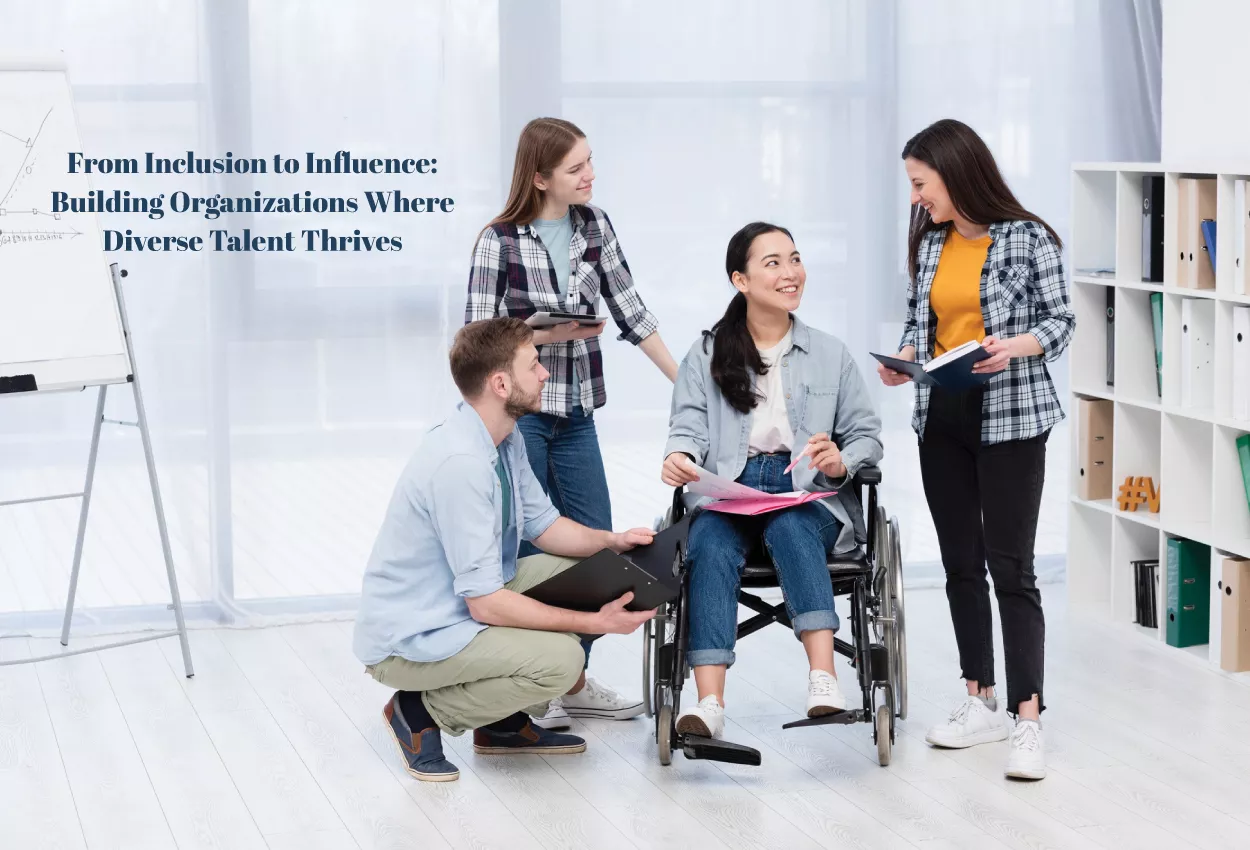
For decades, diversity initiatives focused primarily on representation, bringing people from different backgrounds into the workplace. While representation remains important, leading organizations have discovered that diversity alone is not enough. The true competitive advantage emerges when inclusion transforms into influence, creating an environment where every individual has the opportunity to contribute, grow, and shape decisions.
As businesses navigate rapid technological change, evolving workforce expectations, and increasingly global markets, organizations that foster inclusive cultures are better positioned to innovate, attract talent, and achieve sustainable growth. The conversation has moved beyond simply having diverse teams to ensuring that diverse voices are heard, valued, and empowered to make an impact. Research shows that inclusive organizations are more likely to drive innovation, enter new markets, make better decisions, and achieve stronger financial performance.
The Shift from Diversity to Inclusion
Diversity refers to the presence of differences within a workforce, including gender, ethnicity, age, cultural background, experiences, and perspectives. Inclusion, however, is about creating a workplace where those differences are respected and leveraged.
Many organizations have successfully improved workforce diversity but continue to struggle with inclusion. Employees may be present at the table yet feel disconnected from decision-making processes. True inclusion ensures that individuals feel valued, respected, and empowered to contribute their ideas without fear of bias or exclusion. According to the International Labour Organization (ILO), employees who feel included are more likely to be engaged, productive, and committed to their organizations.
The most successful companies recognize that inclusion is not a human resources initiative; it is a leadership responsibility and a business strategy.
Why Inclusion Drives Performance
Organizations today operate in environments that require creativity, adaptability, and continuous learning. Diverse teams naturally bring a wider range of perspectives and experiences, enabling organizations to identify opportunities and solve complex problems more effectively.
Studies have consistently linked diversity and inclusion with stronger business outcomes. Research from the ILO found that organizations with greater gender diversity in leadership reported improvements in profitability, innovation, talent attraction, and organizational reputation. Many companies also reported stronger employee retention and enhanced decision-making capabilities.
However, diversity alone does not automatically deliver these benefits. Without inclusive leadership and equitable opportunities, organizations risk underutilizing the very talent they seek to attract. Inclusion serves as the bridge that transforms diversity into measurable business value.
The Role of Inclusive Leadership
Leadership plays a defining role in building workplaces where diverse talent thrives. Employees often experience inclusion through the actions of their direct leaders. Leaders influence whether individuals feel respected, heard, and encouraged to contribute.
Inclusive leaders actively seek diverse viewpoints, encourage collaboration, and create psychological safety within teams. They recognize unconscious biases, promote fairness, and ensure that opportunities for advancement are accessible to all employees. Research suggests that leadership can significantly influence employees’ sense of belonging and engagement, making inclusive leadership a critical driver of organizational success.
Women leaders, in particular, have often demonstrated strengths associated with inclusive leadership, including collaboration, empathy, and participative decision-making. Studies indicate that these leadership qualities can enhance organizational diversity and help create environments where individuals from different backgrounds can thrive.
Creating Pathways for Influence
Developing an inclusive organization goes beyond just policy and statements. An organization needs a system where its employees have influence over the outcomes and career progression.
The mentoring program can be used by under-represented employees in order to gain support in terms of guidance, network, and leadership position. The ERG offers space for community-building, professional development, and interaction across functions. Such activities assist employees in becoming stronger in their feelings of belongingness while contributing to the organizational objectives.
It is necessary to assess the procedures used in recruitment, promotion, and performance assessment as a means of eliminating any barriers that hinder career development.
Building the Future of Work
In the wake of globalization and greater interconnectivity in the modern workplace, inclusion is rapidly becoming a strategic necessity. Companies today do not merely compete on the quality of their products or services; they compete on the ability to recruit, nurture, and retain the very best talent out there.
The future belongs to those organizations which embrace diversity not just because they have to but because they understand that diversity is what drives innovation and strength. Through creating an inclusive environment, leaders can bring out the full capability of their people, allowing them to evolve from being mere participants to being influential leaders.
In an era marked by ever-growing complexity and constant flux, companies which harness the power of diverse talent are not merely building better workplaces but stronger industries and communities.




