
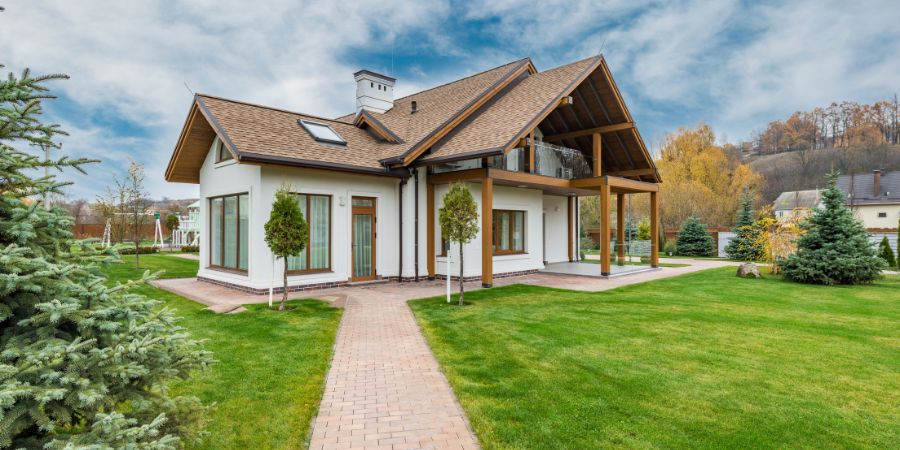
A home’s proportions influence comfort long before fixtures, materials, or decor are considered. Buyers usually respond first to breathing room, sightlines, and how naturally each area supports daily movement. Generous interiors, paired with open outlooks, often improve light, privacy, and long-term usability. These qualities matter because residential value is shaped by lived experience, not by surface appeal alone, and well-planned space tends to remain relevant as household needs change.
Daily Flow
Daily routines run better when circulation feels natural, and rooms connect without compression. In developments such as Thomson View, buyers often study room width, window span, and external outlook before focusing on finishes. That reaction is practical because spatial ease affects movement, furniture placement, and stress levels every single day. A residence that feels clear under normal use usually retains its appeal far longer than one relying on decoration alone.
More Natural Light
Open residential views usually allow sunlight to reach deeper parts of the interior. That added brightness can reduce glare pockets and make enclosed corners feel less confined. Surface colors also read more accurately under daylight, which helps buyers judge materials with confidence. Many households place a strong value on homes that require less artificial lighting for much of the day.
Better Furniture Planning
Larger layouts give residents more freedom to arrange furniture without obstructing movement. Sofas, tables, desks, and storage pieces can sit comfortably while walkways remain usable. That practical flexibility matters in households where one room may serve several functions over the course of a week. Buyers tend to appreciate spaces that support work, rest, entertaining, and routine family activity without compromises.
Privacy Without Isolation
A well-proportioned floor plan can separate active areas from quieter sleeping zones. Bedrooms usually feel more restful when buffered from kitchen noise, television sound, or frequent foot traffic. Open views also soften the sense of enclosure created by nearby opposing blocks. Buyers often value that psychological comfort as much as square footage.
Stronger Air Movement
Wider frontages and less obstructed exposure may support steadier cross-ventilation, depending on orientation, window placement, and surrounding massing. Buyers often notice stale indoor air faster than they notice expensive finishes. A residence that feels fresher during inspection can leave a stronger impression. Better air movement also helps interior conditions feel lighter during warm periods, reducing reliance on mechanical cooling.
Room to Adapt
Household needs rarely remain the same over the full ownership period. A spare area may become a study, an exercise corner, a nursery, or a reading space as routines shift. Spacious homes usually absorb those changes with less disruption and fewer expensive alterations. That adaptability supports lasting usefulness, which matters to buyers trying to balance present comfort with future flexibility.
Visual Calm
Open outlooks can reduce the pressure that can sometimes be created by tightly spaced surroundings. A view across greenery, sky, or wider setbacks gives the eye distance and visual rest. That effect can make interiors feel quieter, even in busy districts. Buyers regularly describe such homes as calmer, because uninterrupted sightlines often improve the overall sensory experience of being indoors.
Appeal During Resale
Broad layouts and clear outward views usually photograph well and read clearly during inspections. Prospective buyers can picture ordinary living patterns with less effort when rooms feel open at first glance. Those strengths do not promise a higher selling price, yet they often widen buyer interest. Homes that communicate space easily tend to perform better in competitive listing conditions.
Family Use
Families often place extra weight on usable floor area because daily life creates overlapping demands. Children need play space, adults need retreat, and storage must function without overtaking shared rooms. A spacious plan can ease friction caused by clutter, bottlenecks, and constant rearranging. Open views add comfort here too, because brighter interiors often feel safer and more pleasant during long hours inside.
Conclusion
Spacious layouts and open residential views offer practical gains that extend well beyond appearance. They support better light, easier movement, stronger privacy, and flexible use across different stages of life. These attributes also improve presentation during resale, because buyers respond quickly to homes that feel clear and comfortable. For many purchasers, room to move and a broad outlook remain lasting advantages, both in daily living and long-term value.




