
Wearable tech has really moved from being just a cool gadget to something almost everyone uses, totally changing how we connect with the digital world. For folks who love to travel, this shift is a big deal. Imagine having all your info, directions, and payment tools right there on your wrist or in your ear. It makes exploring new places so much smoother and more fun. Whether you’re navigating bustling city streets or planning for an extended trip, having the right information at your fingertips truly enhances the entire experience.
Remember those days of fumbling for paper maps, tickets, or foreign cash? Well, those are pretty much gone. Wearable devices bring all those functions together in one easy-to-reach spot, making travel logistics a breeze. From the moment you head out the door until you land in a new city, these gadgets quietly work their magic, smoothing out the bumps so you can focus on enjoying the experience, not stressing about the details. It’s not just about convenience; it’s about making your journey through the world more immersive and way less stressful.
The Rise of Smartwatches
Smartwatches have truly become the go-to command centre for today’s traveller. They started out as just an extension of our phones, but their role has grown massively, especially when we’re on the move. The best part? You get instant access to vital info without having to dig out your phone. A quick glance at your wrist can show you flight gate changes, train platform updates, or even your boarding pass, all popping up as timely notifications. This simple interaction really cuts down on airport stress and keeps you in the loop without being a distraction.
The popularity of wearable tech really shows how useful these devices are in everyday life, and that usefulness just skyrockets when you’re travelling. Take contactless payments, for example, with services like Apple Pay or Google Wallet. Grabbing a coffee in a busy Parisian cafe or tapping onto the London Underground becomes as easy as a flick of your wrist. No need to mess with cash or cards, which is not only quicker but also safer. Navigation is another area where smartwatches shine. Instead of staring at your phone screen, you can get subtle vibrations on your wrist to tell you when to turn left or right. This lets you soak in the sights of a new city with your head up, making you feel less like a tourist and more like a local. In many ways, smartwatches are changing the world by making complex information instantly and discreetly available.
Fitness Trackers for Active Trips
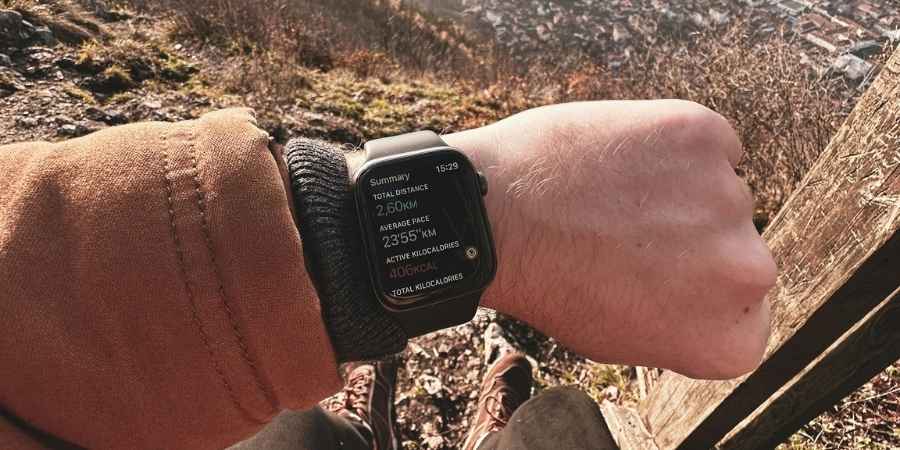
If your holidays involve more than just chilling by the pool, then fitness trackers are going to be your best friends. Whether you’re on a multi-day hike in the Scottish Highlands, a skiing trip in the Alps, or just a city break that involves miles of walking, these devices really boost the experience with all the data they provide. A dedicated fitness tracker or a smartwatch with advanced health features can keep tabs on everything from your steps and calories burned to your heart rate and sleep quality. This info helps you pace yourself, understand how your body handles exertion, and make sure you’re getting enough rest.
A study of fitness trackers really highlights how great these are for keeping you motivated and giving you valuable health insights. On a hiking trip, for instance, a tracker with a built-in altimeter can show you how much elevation you’ve gained, while GPS tracking can map your route so you can look back at it later. Some fancy models even check your blood oxygen levels, which is super helpful at high altitudes. And beyond just activity, sleep tracking is key. Travel, especially across time zones, can mess with your sleep. A fitness tracker can break down your sleep stages, helping you see if you’re getting enough deep and REM sleep to recover for the next day’s adventures. It turns your holiday into a chance not just to explore, but to really understand your own health and fitness, encouraging smarter, safer workouts and activities even when you’re far from home.
Augmented Reality for Exploration
Augmented reality (AR) is shaping up to be the next big thing in travel tech, and wearables are the key to making it happen. While most AR experiences right now happen on our phones, the rise of smart glasses and advanced audio wearables is paving the way for hands-free, super immersive exploration. Just imagine walking through the Roman Forum and seeing historical buildings magically reappear in your vision, or looking at a foreign menu and having it instantly translated right before your eyes.
You can already get a taste of this tech. For example, Google Lens, when paired with audio from connected earbuds, can identify landmarks and tell you their history audibly as you look at them. This means you can learn about your surroundings without being glued to a screen. Future AR glasses from companies like Meta and Apple will take this even further. They’ll be able to show you real-time arrows on the pavement as you walk, highlight interesting spots, and even display user reviews floating right next to a cafe’s entrance. For travellers, this means a richer, more informative journey. Instead of following a guided tour, you can create your own, with a digital layer of information that responds to what you’re looking at and what you’re curious about. It’s all about turning passive sightseeing into an active, engaging discovery process.
Unencumbered Journeys With Tech
One of the best things about travel is the freedom to move around. Wearable tech helps us get there by digitising essentials and cutting down on the physical stuff we need to carry. With your tickets, payment methods, and hotel keys all on your wrist, you can travel lighter and worry less. This minimalist idea goes beyond just your pockets and into how you manage your luggage. The whole point is to be able to explore a place freely, without being weighed down.
This is especially true during those awkward in-between travel moments, like when you’ve checked out of your hotel but have a late flight, or you arrive in a city hours before you can check in. You’re stuck with your bags, which really limits what you can do. That’s where tech-enabled services come in. You can use your phone or watch to quickly find and book secure storage for your bags, freeing you up for a few more hours of sightseeing. For example, if you get to Zurich’s main train station early, you can instantly find and reserve luggage storage near Zurich HB, drop off your bags, and head straight out to explore the city centre. This combo of wearable tech and smart services creates a truly unburdened experience, giving you maximum flexibility and spontaneity.
Seamless Experiences With Wearables
The real magic of wearables in travel will happen when they blend seamlessly with the entire travel experience. We’re already seeing the start of this. Many hotel chains now offer keyless entry, where your smartwatch or phone acts as your room key using NFC technology. Airlines are even trying out biometric boarding processes that use facial recognition linked to your digital identity, making your journey through the airport even smoother.
In the near future, your wearable device could become your all-in-one travel passport. Imagine your smartwatch already loaded with your whole itinerary. As you get to the airport, it automatically pulls up your boarding pass. At security, it confirms who you are. When you land, it connects to the local network and shows you relevant transport options. At your hotel, it checks you in and unlocks your room. During your stay, it could even suggest personalised restaurants and attractions based on where you are and what you like. This connected journey, all orchestrated by your wearable, removes friction at every step. It’s a future where technology works quietly in the background, letting you, the traveller, be fully present in the moment.
The ongoing evolution of wearable technology promises a future where travel is more intuitive, personalised, and truly liberating. As these devices get more powerful and integrated, they’ll keep changing what it means to explore the world.