
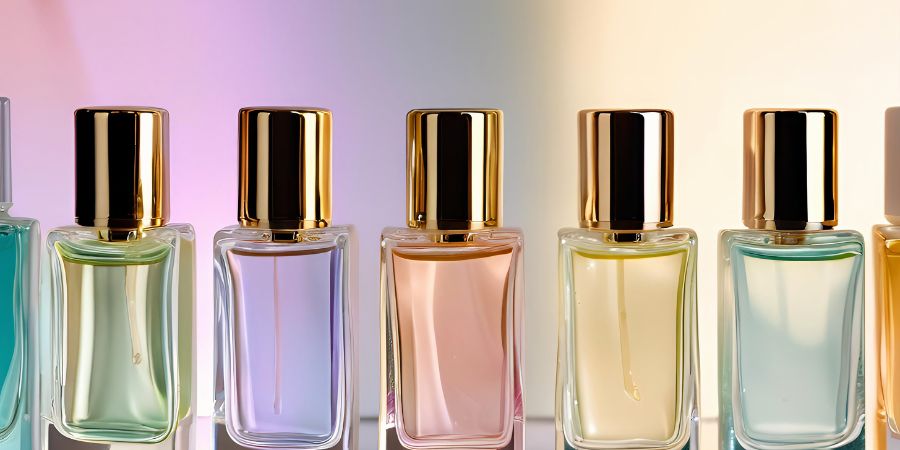
Buying a new perfume can be an exciting experience. A beautifully designed bottle, a famous fashion house, or a recommendation from someone with similar taste can make a fragrance instantly appealing. However, many people end up disappointed because they rush the decision or focus on the wrong details.
Choosing designer fragrances requires more than picking a popular name from a shelf. A perfume should match personal preferences, lifestyle, and the occasions where it will be worn. Since every fragrance develops differently on skin, careful testing and research can make a significant difference.
From buying based on hype to ignoring how a scent changes throughout the day, several common mistakes can turn an exciting purchase into one that sits unused. Knowing these mistakes helps shoppers make smarter choices and find fragrances they genuinely enjoy wearing.
What Mistakes Should Buyers Avoid Before Purchasing A Designer Fragrance?
The biggest mistake is treating fragrance shopping like a quick purchase instead of a personal decision. Perfume is highly subjective, and a scent that works perfectly for one person may feel completely different on someone else.
Choosing a perfume only because it is famous can result in owning a scent that does not match personal style. Popularity shows that many people enjoy a fragrance, but it does not guarantee that it will feel right for every buyer.
Mistake 1: Following trends instead of personal taste
Social media, advertisements, and fragrance communities can influence purchasing decisions. A perfume may receive significant attention because of its reputation, but individual preferences still play the biggest role.
For example, someone who enjoys fresh and clean scents may not appreciate a heavily sweet or spicy fragrance simply because it is highly recommended.
Before buying, consider:
- Favorite scent categories
- Typical occasions for wearing perfume
- Existing fragrances that receive regular use
- Notes that are usually enjoyable or unpleasant
The best designer fragrances are those that fit naturally into a person’s routine rather than those chosen only because they are popular.
Mistake 2: Judging a perfume too quickly
Testing only the opening notes can create unrealistic expectations because fragrances change as they develop on the skin. The first impression usually lasts only a short time before the middle and base notes appear.
Many fragrances are designed with multiple stages. Fresh citrus notes may appear first, while deeper woody, musky, or amber notes become noticeable later.
A proper testing process should include:
- Spray the fragrance on skin instead of relying only on paper.
- Wait several hours to experience the full development.
- Check whether the dry-down remains enjoyable.
- Decide if the scent still fits personal preferences after the initial freshness fades.
This simple process prevents buyers from choosing a fragrance based on only a few seconds of experience.
Mistake 3: Choosing a scent without understanding its profile
Ignoring fragrance composition makes it harder to predict whether a perfume will match personal taste. Notes provide important information about the scent direction and overall feeling of a fragrance.
Every fragrance belongs to certain scent families. Understanding these categories can help shoppers avoid perfumes that conflict with their preferences.
| Fragrance Family | Common Notes | Suitable For |
| Fresh | Citrus, aquatic notes, herbs | Everyday wear, warm weather |
| Woody | Cedar, sandalwood, vetiver | Professional settings, evening use |
| Amber | Vanilla, spices, resins | Romantic occasions, colder seasons |
| Floral | Rose, jasmine, white flowers | Elegant and softer styles |
A person who dislikes sweet perfumes may want to avoid fragrances built around vanilla or caramel notes. Someone who prefers light scents may find intense woody compositions difficult to wear daily.
Mistake 4: Ignoring the difference between perfume types
Many buyers overlook fragrance concentration, even though it affects intensity and performance. Different perfume types contain different amounts of fragrance oils, which influence how long and strongly they perform.
Common concentrations include:
- Eau de Cologne: Usually lighter and shorter-lasting.
- Eau de Toilette: Often fresher with moderate longevity.
- Eau de Parfum: Usually stronger and longer-lasting.
- Parfum or Extrait: Contains a higher concentration of fragrance oils.
A shopper looking for an evening scent may prefer a stronger concentration, while someone searching for an everyday office fragrance may prefer something lighter.
Understanding concentration helps buyers choose a perfume that fits the purpose instead of judging only by the brand or packaging.
Mistake 5: Buying during a perfume sale without proper research
Price can influence buying decisions, but focusing only on discounts may lead to purchasing a fragrance that does not match personal preferences. A lower price does not automatically make a perfume a better choice.
A perfume sale can be a great opportunity to purchase a favorite fragrance for a better price, but discounts can also encourage impulse purchases. Buying several bottles simply because they are reduced may result in owning perfumes that are rarely used.
Before purchasing during a sale, check:
- Whether the fragrance has been tested before
- Whether the seller is trustworthy
- Whether the scent fits personal preferences
- Whether the discount applies to an authentic product
Smart shopping means finding value, not simply choosing the lowest available price.
Mistake 6: Buying without testing the perfume on skin
Skin chemistry can change how a perfume smells because fragrance molecules interact differently with each person’s skin. This is why a scent that smells excellent on a tester strip may feel completely different after application.
Factors such as skin moisture, temperature, and natural oils influence fragrance development.
To get a more accurate impression:
- Test fragrances directly on skin.
- Avoid comparing too many scents at the same time.
- Allow enough time for the perfume to develop.
- Test during conditions similar to when the fragrance will usually be worn.
Personal testing remains one of the most reliable ways to choose a fragrance successfully.
Mistake 7: Assuming expensive packaging means better fragrance
A luxury bottle and an attractive presentation can create strong expectations, but the fragrance itself should remain the main factor. Visual appeal can influence a first impression, yet it does not determine whether a perfume will become a favorite.
Luxury brands often create high-quality perfumes, but the most expensive option may not be the best match for an individual buyer.
When comparing options, focus on:
- How the scent develops throughout the day
- How often it will be worn
- Whether performance matches expectations
- Whether the fragrance feels comfortable
A well-designed bottle looks appealing, but the scent experience determines long-term satisfaction.
Mistake 8: Choosing the cheapest offer without checking the seller
Buying from unreliable sellers can lead to receiving fake products or fragrances that have been stored incorrectly.
Online promotions and a tempting perfume sale can make some deals look impossible to ignore. However, extremely low prices may indicate problems with authenticity or storage.
Before purchasing online, check:
- Seller reputation and customer feedback
- Product photos and packaging details
- Return policies
- Whether the retailer is recognized as a reliable source
Authenticity is especially important when purchasing premium perfumes because the quality depends on proper formulation and storage.
Finding a Fragrance Purchase That Feels Personal
Buying a new perfume becomes easier when shoppers slow down and focus on the factors that truly influence satisfaction. Brand reputation, price, and popularity can help create a shortlist, but personal experience should guide the final choice.
Designer fragrances offer many styles, from fresh everyday options to rich evening compositions. Avoiding common mistakes allows buyers to select scents that match their preferences, lifestyle, and daily routines.
A successful purchase comes from careful testing, realistic expectations, and choosing a fragrance that feels right long after the first spray.
FAQ
How many fragrances should someone test during one shopping trip?
Testing a small number of perfumes at a time is usually better because too many scents can make it difficult to notice differences between compositions.
Should someone buy a fragrance gift without knowing the person’s preferences?
It can be risky. A safer option is choosing a fragrance from a scent category the person already enjoys or selecting a discovery set.
Can a fragrance expire?
Yes. Over time, exposure to heat, sunlight, and air can affect perfume quality. Proper storage can help maintain its original character.
Does the season really affect fragrance performance?
Yes. Temperature can influence how quickly fragrance notes develop and how noticeable a scent feels throughout the day.
Is a stronger fragrance always a better choice?
No. Performance should match the occasion and personal comfort level. A very strong fragrance may feel unsuitable in certain situations.