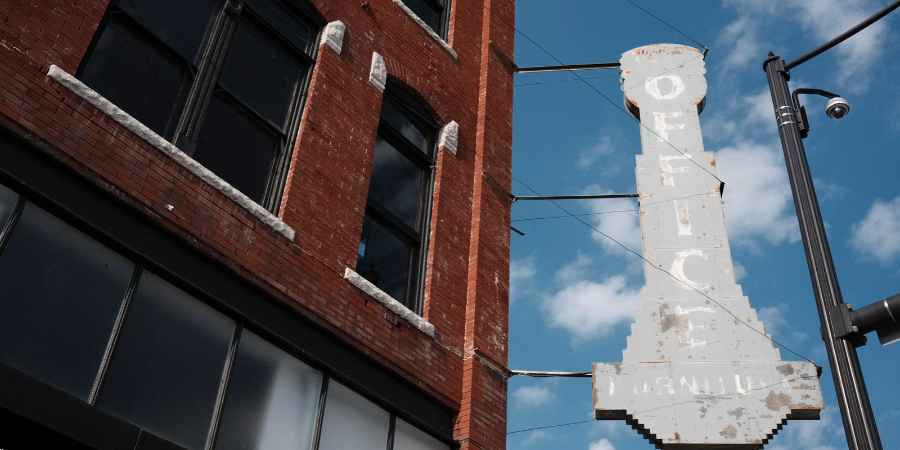
Older commercial buildings often have the best locations, history, and their infrastructure are usually well established. However, these buildings often come with numerous health risks that many business owners overlook. To protect your workers’ health and safety, we’ll share some of the health risks that older buildings often have.
Asbestos and Long-Term Disease Risk
Asbestos was commonly used in insulation roofing, ceiling, materials, and pipe coverings. It’s highly resistant to both fire and heat, which is why it was used in making floor tiles. However, it was later discovered to be a major health hazard, leading to it being banned.
While asbestos does not harm anyone when it is in a state of rest, the risk comes when any material that was made from it is disturbed or damaged. When this happens, tiny microscopic fibers are released into the surrounding air. Once these fibers get into the lungs and surrounding tissues, they can remain there for decades before causing serious diseases.
A common example is asbestosis, a disease that scars the lung and makes breathing difficult. Another example is mesothelioma, which is a cancer that affects the lining of the lungs or other organs.
These diseases can take several years or decades before a diagnosis reveals them, making it difficult to determine when and where exposure occurred.
Lead Exposure From Old Paint and Plumbing
Lead is commonly used in old commercial buildings, since lead-based paint and lead-containing plumbing materials were the standard of the day. When lead-based old paint wears down, it can contaminate the air through dust and paint chips.
Exposure to lead leads to lead poisoning that has a negative effect on a lot of the systems in the body. Adults who get lead poisoning may suffer from high blood pressure, kidney damage, and reproductive problems. It can even cause memory difficulties and make it harder for a person to concentrate.
No amount of lead exposure is safe. This health risk is increased for workers who maintain older buildings. This is especially the case if they remove old fittings, handle contaminated dust, or sand painted surfaces. Employees, cleaners, and other occupants in the building are also at risk if there is a spread of lead particles through indoor spaces.
Dampness, Mold, and Respiratory Problems
Older buildings often accumulate moisture as a result of leaking roofs, plumbing failures, condensation, and poor drainage. If dampness continues for long, it can lead to mold growing behind furniture, under flooring, inside ceilings, or around air-conditioning systems.
These mold releases spores and other particles that can cause irritation to the eyes, skin, throat, and respiratory tract. When a person is exposed to these spores, it can trigger allergic reactions, worsen asthma, and cause coughing, wheezing, or nasal congestion.
Endnote
Older buildings are not automatic health risk zones. However, anyone in these buildings need to be careful as routine cleaning and cosmetic repairs cannot fix these risks. If you are concerned about past asbestos exposure or related diagnosis, you can find information through resources such as Mesothelioma Hope and qualified healthcare professionals.