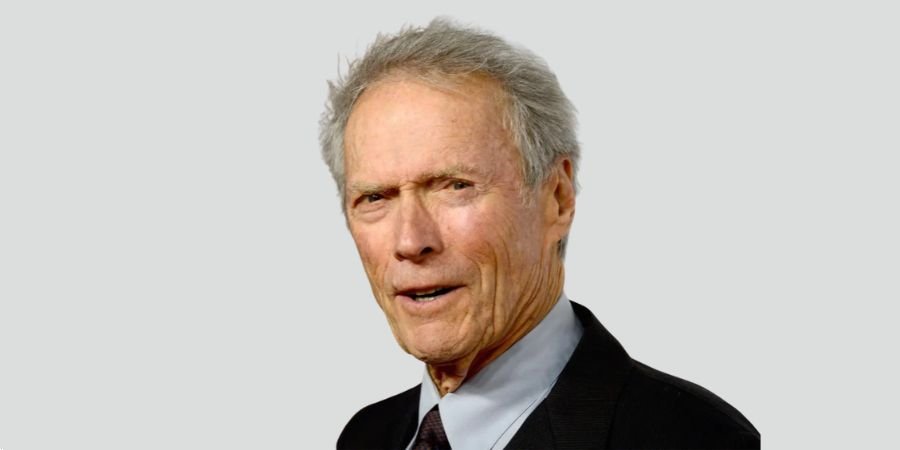
Clint Eastwood’s career is a lesson in professional reinvention. The world knows him for some of Hollywood’s most memorable Western and action characters, yet he slowly built a second identity behind the camera as a director, producer and business-minded filmmaker. His path from television actor to Academy Award-winning director was more than a change of job. He took on more creative control, more ownership and more responsibility for the entire filmmaking process.
Through Malpaso Productions, Eastwood built a way of working around tight budgets, experienced collaborators and efficient schedules. It showed that a filmmaker does not need extravagant production methods to make work that is both commercially successful and critically respected.
For business leaders, his career raises a practical question: how can someone turn the success of an established role into the foundation for something more independent? Eastwood’s answer was to take on more responsibility instead of staying inside the limits of his original profession.
Who is Clint Eastwood?
Clint Eastwood is an American actor, filmmaker and producer, born on May 31, 1930, in San Francisco, California. Over several decades he became one of Hollywood’s most recognisable figures, first through television Westerns and later through internationally successful films.
His career has two distinct but connected identities:
- The actor: Known for Rawhide, Sergio Leone’s Dollars Trilogy and the Dirty Harry series.
- The filmmaker: Recognised for directing and producing Unforgiven, Mystic River, Million Dollar Baby and Gran Torino.
Eastwood won Academy Awards for Best Director and Best Picture for Unforgiven (1992) and Million Dollar Baby (2004). His films also earned praise for tackling complex subjects such as violence, morality, ambition, ageing and personal responsibility.
What makes his journey so interesting is the link between his on-screen identity and his business decisions. He never treated acting as the final destination. He used his standing in the industry to get more involved in how films were developed, financed and produced.
Clint Eastwood’s Early Life and Career Beginnings
Eastwood’s early years did not look like the start of a Hollywood career. Before he became an actor, he worked as a logger, truck driver, hay baler and steel-furnace worker. After serving in the US Army in the early 1950s, he turned to acting and picked up small film roles.
His first major breakthrough came in 1958, when he joined the television Western Rawhide. He played Rowdy Yates, which gave him regular exposure and helped him develop the screen presence that later became central to his film career.
Television also gave him an education that audiences rarely associate with acting. A continuing production taught him the practical demands of filmmaking: production schedules, coordination between departments and the need to stay consistent across a project.
An important observation: early jobs can teach skills that matter far more in a different role later. Eastwood’s time on television was more than a stepping stone to film stardom. It taught him the production environment he would eventually lead.
His international breakthrough came through Sergio Leone’s Westerns:
- A Fistful of Dollars (1964)
- For a Few Dollars More (1965)
- The Good, the Bad and the Ugly (1966)
These films created the image of the quiet, self-controlled Western antihero. The phrase Clint Eastwood the good the bad and the ugly is still closely tied to this defining period of his career.
Their success gave him stronger negotiating power. It also gave him room to think about what he wanted from his career beyond acting.
Clint Eastwood’s Rise to Hollywood Stardom
The move from television recognition to international film success gave Eastwood a position few actors could reach. His performances in Leone’s Westerns established a distinctive screen persona, and the Dirty Harry franchise raised his popularity in American cinema.
In Dirty Harry (1971), he played San Francisco police inspector Harry Callahan, a character whose uncompromising approach to crime became part of popular culture. The role made him a major Hollywood star and gave him the commercial standing to pursue projects with more independence.
Still, Eastwood’s career never depended on repeating one character.
His filmography covered Westerns, crime dramas, thrillers, romantic stories and sports-related dramas. Some notable Clint Eastwood movies include:
- The Outlaw Josey Wales (1976)
- Escape from Alcatraz (1979)
- Pale Rider (1985)
- Unforgiven (1992)
- The Bridges of Madison County (1995)
- Mystic River (2003)
- Million Dollar Baby (2004)
- Gran Torino (2008)
Looking at Clint Eastwood movies and TV shows together shows the range of his work across formats and genres. His screen identity stayed recognisable, but each project let him explore different characters, audiences and ways of telling a story.
An observation for business leaders: a recognisable professional identity opens doors, but relying on it forever can limit growth. Eastwood used the commercial strength of his established persona to take on projects that did not always fit the tough-guy image.
His career also shows the value of knowing when a reputation has become an asset that can fund the next stage of professional development.
How Clint Eastwood Transitioned from Actor to Director
Eastwood’s interest in directing grew during his television years. He had wanted to direct episodes of Rawhide, but the chance never came. Working with Sergio Leone and, later, director Don Siegel deepened his interest in understanding filmmaking from behind the camera.
His directorial debut was Play Misty for Me (1971), a psychological thriller in which he also starred. The film proved he could manage a production beyond his duties as an actor.
The move mattered because directing demanded a different set of skills:
- Story development: Seeing how a screenplay becomes a complete visual narrative.
- Team leadership: Coordinating actors, cinematographers, editors and production departments.
- Resource allocation: Deciding how to spend time, locations, crew and budget.
- Creative judgment: Choosing which scenes, performances and visual decisions best serve the story.
Eastwood’s growth as a Clint Eastwood director owed a lot to watching other filmmakers work. He has talked about learning from both successful and unsuccessful directors and treating their methods as lessons for his own films.
His directing career gained further recognition with Bird (1988), Unforgiven (1992) and Mystic River (2003). The last two earned major Academy Award recognition and confirmed his standing as a filmmaker in his own right.
One especially important choice was to pursue different kinds of stories instead of using directing as an extension of his acting career. Bird, for example, followed the life of jazz musician Charlie Parker, while Mystic River looked at grief, friendship and the consequences of violence.
That willingness to work across genres kept his creative identity from shrinking to the characters that first made him famous.
Clint Eastwood as a Producer and Filmmaker
Eastwood’s move into production was arguably one of the most consequential business decisions of his career. Through Malpaso Productions, founded in the 1960s, he gained more influence over how film projects were developed and carried out.
The company became a cornerstone of his professional independence. He no longer had to rely only on the opportunities studios offered. He could help choose the material, organise productions and shape the filmmaking process himself.
Malpaso stood out because of how it operated:
1. A preference for controlled production budgets
Eastwood earned a reputation for making films efficiently. A 1989 Los Angeles Times report found that none of the 26 Malpaso films it examined had finished behind schedule or over budget. The report also documented several productions that wrapped principal photography ahead of their original schedules.
This was about more than spending less. It meant making production decisions that cut unnecessary delays and protected the money available for the finished film.
2. A consistent team of experienced collaborators
Malpaso worked again and again with familiar crew members, including cinematographers, editors and production professionals. These long relationships meant people already understood the director’s expectations and could work together without rebuilding their processes on every film.
3. A disciplined approach to filming
Eastwood became known for shooting relatively few takes, preparing carefully and keeping momentum on set. He has made clear, however, that efficiency should serve the story and the actors’ performances. It is not an arbitrary rule about shooting everything once.
4. Greater creative independence
Malpaso let Eastwood pursue films that might have struggled to get made under more conventional studio arrangements. He could balance commercially recognisable projects with stories about different subjects and characters.
This is the business value of the Clint Eastwood producer model: owning the production process creates more room for creative decisions, as long as the organisation has the discipline to manage costs and execution.
For business owners, the lesson is clear. Independence is valuable when it comes with operational responsibility. Controlling a project does not remove financial limits. It makes the person in control more accountable for them.
The Leadership Philosophy Behind Clint Eastwood’s Career
Eastwood’s career offers lessons well beyond the entertainment industry. His decisions on production ownership, team management, creative independence and financial discipline give leaders a useful framework for building organisations that stay effective over time.
Five lessons stand out.
1. Career reinvention: Do not become confined to your original success
Eastwood could have built his career mainly around acting. Instead, he moved into directing and producing and took responsibility for more parts of the filmmaking process.
His move shows a key leadership principle: success should create chances to expand your capabilities. It should never become a reason to stay in a familiar position.
For business leaders, this could mean moving from technical expertise into organisational leadership, or from running a single function to building an independent business.
2. Creative independence: Build ownership over important decisions
Malpaso Productions gave Eastwood more control over which projects he pursued and how they were made.
This matters most for entrepreneurs. Relying entirely on outside decision-makers can limit a company’s ability to experiment, define its identity or chase unconventional opportunities.
Ownership does bring responsibility. Creative independence needs financial discipline, sound partnerships and a real understanding of the market.
3. Resource management: Efficiency is a leadership responsibility
One of the most interesting parts of Eastwood’s filmmaking philosophy was how he handled production time and money.
His working methods included:
- Preparing thoroughly before production began.
- Keeping shooting schedules under control.
- Avoiding unnecessary repetition and delays.
- Working with experienced collaborators who understood the production process.
- Treating the production budget as a responsibility, not an unlimited resource.
A revealing account appeared in the Los Angeles Times in 1989. Eastwood said he had watched filmmakers waste a great deal of money, time and talent, and he wanted Malpaso to offer an alternative.
There is a wider business lesson here. Cutting costs is not the same as operating efficiently. Real efficiency means removing activities that add little value while protecting the quality of the final product.
4. Long-term thinking: Build relationships that compound over time
Eastwood kept working with the same cinematographers, editors and production professionals, which gave Malpaso a familiar working environment.
That approach saved him from rebuilding team relationships for every project. Experienced collaborators could anticipate needs, understand expectations and offer ideas with more confidence.
For business leaders, the equivalent is building institutional knowledge instead of letting every project depend on a constantly changing team.
Strong professional relationships become an organisational advantage when they encourage accountability, trust and consistent standards.
5. Decision-making: Do not let an established identity restrict future opportunities
Eastwood’s filmography moved between Westerns, crime stories, biographical dramas and emotionally complex narratives.
By directing films such as Bird, Mystic River and Million Dollar Baby, he showed a real interest in new creative territory.
Established businesses can learn from this: past success should inform future decisions, but it should not dictate every one of them.
A company that only repeats its most successful product or strategy may miss openings in other markets. Leaders need to know what their organisation does well and stay willing to explore unfamiliar opportunities.
Author’s Note:
Clint Eastwood’s career matters to business leadership because it joins creative freedom to operational discipline. His success with Malpaso did not rest on independence alone. Preparation, trusted collaborators, controlled production processes and a willingness to take responsibility for decisions all supported it.
Many organisations chase innovation by investing in new ideas, technology or talent. Eastwood’s approach points to something else: the working environment must let people contribute effectively without wasting resources. A strong leader does not need to control every creative decision. They need to set up the conditions in which good decisions can happen.
His legacy therefore offers more than an example of a long career. It shows how reinvention, ownership and disciplined execution can work together to build something lasting.