

When someone has a safety-first mindset, that mindset didn’t begin with them clocking in for their first shift. It started much earlier, in the smallest choices they had to make before risk had a job title attached to it.
You see it clearly in how someone follows rules, handles pressure, notices danger, and takes responsibility when no supervisor is nearby. By the time a person comes into the workplace, many of those habits feel normal.
So, in addition to policies and training rooms, where does this mindset come from?

Source: Magnific
Safety Habits Begin Long Before the First Job
For most people, safety doesn’t come from a workplace manual. They build it through everyday experiences when they respond to rules, risk, and responsibility.
Children learn early that actions have consequences. Even structured learning environments, such as an elementary math curriculum, help develop problem-solving skills, attention to detail, and logical thinking.
Riding a bike, playing sports, or crossing a busy street are all situations in which children have to make decisions related to their safety.
Of course, children respond differently to those experiences. Some will learn to slow down and pay attention, some will become comfortable with taking risks. These patterns often stay with them for years, if not decades.
As they get older, those lessons continue to develop. For example, driver education teaches awareness and decision-making in split seconds. Team sports? Great for teaching accountability and discipline. Part-time jobs teach procedures, expectations, and the importance of following instructions.
Each experience plays a role in a person’s overall approach to safety. By the time someone enters the workforce, they already have a foundation. In fact, a solid one.
Why Traditional Workplace Training Has Limits
Workplace training by no means lacks value. In many industries, it’s a critical part of injury prevention and regulatory compliance.
Here’s what’s challenging: knowledge and behavior aren’t the same thing. You can have an employee who knows every safety procedure but still takes shortcuts when working with tight deadlines. Experience can sometimes create a false sense of confidence, especially when someone has done it hundreds of times before and without incidents.
This is what usually triggers unsafe decisions:
- Time pressure and productivity demands
- Complacency during repetitive tasks
- Peer behavior and workplace norms
- Overconfidence based on past experience
This exists in almost every work environment. It’s also why organizations can’t rely on training alone to create a safety-first environment.
Yes, a presentation or certification course will explain the rules, but habits that last require constant reinforcement through leadership, daily actions, and workplace culture.
Building Safety Awareness Before People Enter the Workforce
If safety habits start early, the next step is creating more opportunities for people to develop them before they begin their careers. Who can help?
Schools, vocational programs, community organizations, and even families. All of these are settings where young people can experience real-life situations where they must think about consequences and make decisions.
Sometimes, these lessons seem unimportant, but they often carry into adulthood.
Here are more good examples:
- Technical education programs
- Sports that teach discipline, teamwork, and accountability
- Volunteering that introduces responsibility
- Part-time jobs that have established protocols
The Business Case for Earlier Safety Education
The benefits of early safety awareness don’t just apply to individuals but also to organizations, employees, and communities.
Workplace injuries have high financial and operational costs. More precisely, the total cost of work injuries in 2024 was $181.4 billion.
And medical bills are only part of that picture. A workplace injury can also mean lost productivity, unexpected overtime, damaged equipment, and additional hiring and training costs. In other words, interruptions that affect day-to-day operations.
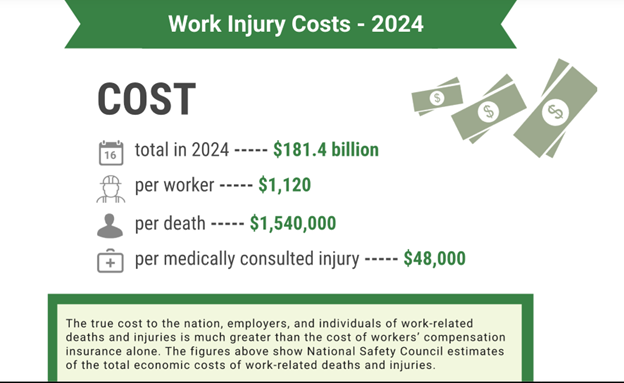
Source: injuryfacts.nsc.org
Here’s what can reduce those risks: strong safety habits. Employees who can recognize hazards and who know what to do are less likely to contribute to preventable incidents.
They usually also support a workplace culture where safety receives the same level of attention as quality and performance.
Creating a Lifelong Safety Culture
Now, we know that early education lays the groundwork, but a safety-first mindset needs constant support throughout a person’s career.
The first on the line to reinforce positive habits — organizations. Leaders shouldn’t just deal with policies but also set expectations through their actions. When they’re the ones who follow procedures, address concerns, and ask for open communication, employees get the right message: safety is important here.
Mentorship can also be useful. Workers with years of experience can show new employees how to handle risk, respond to challenges, and manage daily responsibilities. Positive examples can turn safety from a requirement into a normal part of workforce behavior.
In the end, the most successful safety cultures know that this mindset doesn’t start with onboarding, but way earlier. It’s a lifelong skill. And the earlier that skill starts to develop, the stronger the foundation for safer workplaces is.




