
Running a construction project in Seattle means dealing with permits, timelines, weather delays, and a long list of safety requirements. One item that catches project managers off guard is commercial fencing Seattle construction sites need before work can begin. It’s not optional, it’s not decorative, and getting it wrong can shut your project down.
This post walks through the specific fencing requirements for Seattle construction sites, what permit processes look like, and the exact things inspectors flag during site visits.
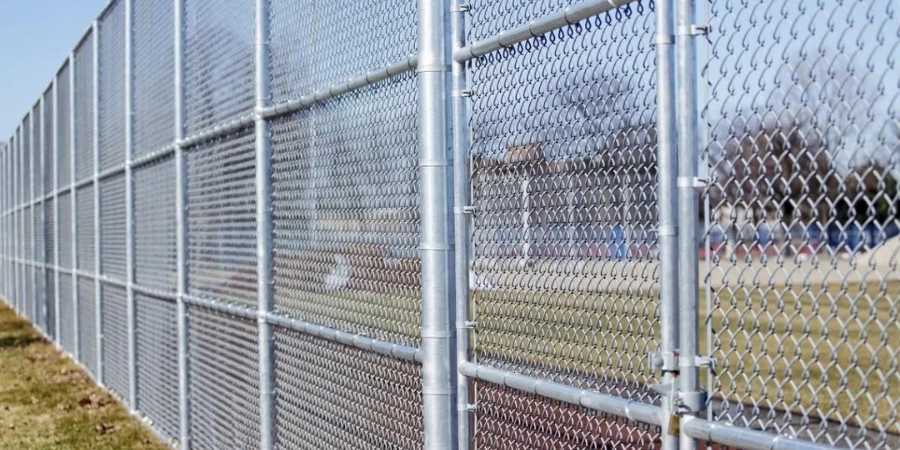
[IMAGE: Chain-link construction fencing surrounding an active commercial building site in an urban Seattle setting — Source: Unsplash/Pexels — Alt text: commercial fencing Seattle construction site with chain link perimeter barrier]
Why Construction Site Fencing Is Required in Seattle
Seattle’s Department of Construction and Inspections requires perimeter fencing on construction sites for three primary reasons: public safety, site security, and liability protection. The city takes this seriously, and inspectors verify fencing compliance before issuing approvals at multiple stages of a project.
Construction sites generate hazards — open excavations, heavy equipment, exposed rebar, and unstable structures. Without proper fencing, pedestrians, children, and even pets can wander into danger. In dense neighborhoods like Capitol Hill, Ballard, and downtown Seattle, construction sites often sit directly adjacent to sidewalks and residential properties.
Beyond safety, commercial fencing Seattle construction projects use also protects against theft and vandalism. Material theft on construction sites costs the industry billions nationally, and Seattle’s active job sites are not immune.
Types of Commercial Fencing Used on Seattle Construction Sites
Not all construction fencing serves the same purpose. The type you need depends on the project scope, location, and duration.
Chain-Link Panel Fencing
This is the workhorse of construction site fencing in Seattle. Six-foot chain-link panels mounted on weighted bases provide a secure, portable perimeter that can be configured to fit any site shape. Panels are easy to relocate as the project progresses through different phases.
Standard chain-link panels meet most city requirements for site perimeter security. They allow visibility into and out of the site, which some project managers prefer for monitoring purposes. For sites in residential areas of Shoreline or West Seattle, visibility can also help neighbors feel less shut out from what’s happening next door.
Privacy Screen and Windscreen Additions
When a project generates significant dust, debris, or visual disruption, the city may require — or the contractor may choose — privacy screening attached to chain-link panels. These mesh or solid fabric screens reduce dust migration off-site and block direct sightlines into active work zones.
In windy areas near the waterfront or in exposed locations, windscreens also reduce wind loads on partially completed structures. However, they add wind load to the fencing itself, so the panels need additional bracing or weighting to stay upright during Seattle’s fall and winter storms.
Temporary Concrete Barrier With Fencing
High-traffic urban sites sometimes require concrete jersey barriers topped with chain-link fencing. This combination provides vehicle impact protection along streets and sidewalks while maintaining pedestrian safety above the barrier. You’ll see this setup on major projects along arterials in Ballard, Capitol Hill, and Burien where sidewalk closures force pedestrians into temporary walkways adjacent to the construction zone.
Plywood Hoarding
For projects where the construction zone extends to the property line or sidewalk edge, plywood hoarding may be required. Eight-foot hoarding walls create a solid barrier that contains debris, blocks wind-driven rain from affecting pedestrians, and provides a surface for required project signage.
Plywood hoarding is common on commercial projects in dense Seattle corridors. It’s more expensive to install than chain-link panels, but certain sites require it based on proximity to pedestrian traffic.
Seattle Permit Requirements for Construction Fencing
Here’s where things get specific. Commercial fencing Seattle construction teams install must comply with several overlapping permit and code requirements.
Street Use Permits
If your construction fencing extends into the public right-of-way — sidewalks, parking strips, or street lanes — you need a Street Use Permit from the Seattle Department of Transportation. This permit governs where the fencing sits, how pedestrian traffic is rerouted, and what signage is required.
Expect the permit process to take two to four weeks. Applications require a site plan showing the fencing layout, pedestrian routing, and any temporary traffic control measures. Fees vary based on the area occupied and the duration of use.
Building Permit Conditions
Your building permit itself will include conditions related to site fencing. These are typically outlined in the approved site safety plan. Inspectors verify compliance with these conditions during their regular site visits.
Common building permit fencing conditions include minimum fence height of six feet for the full construction perimeter, locked gates during non-working hours, and anti-climb features on fencing adjacent to public areas.
Stormwater and Erosion Control
Seattle requires construction sites to implement stormwater management plans, and fencing plays a role. Silt fencing along the downhill perimeter of the site is required to prevent sediment runoff into storm drains. This is separate from your perimeter security fencing but often installed at the same time.
During Seattle’s wet months — which run roughly October through May — inspectors pay close attention to erosion control measures. A construction site in Shoreline with exposed soil and inadequate silt fencing can receive stop-work orders after a single heavy rainstorm.
What Inspectors Actually Look For
Knowing what inspectors check saves you from violations and delays. Here are the items that consistently draw attention during construction site inspections in Seattle.
Fence Height and Coverage
Inspectors verify that perimeter fencing meets the minimum height specified in your approved plans — typically six feet. They walk the full perimeter checking for gaps, damaged panels, or sections where the fence has been moved and not properly reconnected.
Any opening in the fencing that isn’t a controlled gate access point is a violation. Even temporary gaps left open during material deliveries get flagged if an inspector arrives at the wrong moment.
Gate Security
Gates must have functional locks. During non-working hours, all gates must be secured. Inspectors often check gate locks on evening or early morning drive-bys, not just during scheduled inspections. A gate swinging open on a Sunday afternoon is a citation waiting to happen.
Signage Requirements
Required signage on construction fencing includes the building permit number displayed prominently, contractor contact information, after-hours emergency contact number, and pedestrian detour signage if sidewalks are affected. Missing or illegible signage is one of the most common fencing-related citations on Seattle construction sites.
Pedestrian Protection
If your project affects pedestrian routes, inspectors verify that temporary walkways meet ADA accessibility standards. This includes minimum width of five feet, a stable walking surface, overhead protection where required, and proper lighting for walkways used during dark hours. Seattle’s short winter days mean pedestrian walkways near construction sites in Capitol Hill or Ballard need lighting by 4:30 PM from November through February.
Structural Integrity of the Fencing
Fencing that’s leaning, has missing panels, or isn’t properly weighted is a red flag. Seattle’s wind and rain test construction fencing constantly, and panels that were fine in August can be compromised by November. Inspectors look for signs that the fencing can withstand weather and won’t collapse onto sidewalks or neighboring properties.
Choosing a Commercial Fencing Provider for Your Project
The right fencing contractor for a construction site is different from a residential fence installer. You need a company that understands commercial timelines, can mobilize quickly, and knows Seattle’s specific permit requirements.
Contour Fence works with general contractors across the Seattle metro area on projects ranging from single-lot residential construction to multi-block commercial developments. They handle the installation, maintenance, and relocation of construction fencing throughout the project lifecycle.
When evaluating providers, prioritize companies that offer flexible scheduling for fence installation and removal. Construction timelines shift constantly, and you need a fencing partner who can adjust without leaving your site unsecured or your project delayed. Look for a provider who understands Seattle’s permit landscape and can help coordinate the fencing portion of your site safety plan.
For active projects that need commercial fencing Seattle construction standards require, getting a quote from a commercial fencing specialist early in the planning phase prevents last-minute scrambling when the inspector shows up for the pre-construction walkthrough.
Common Mistakes That Lead to Fencing Violations
Most fencing violations on Seattle construction sites are preventable. Here are the mistakes contractors keep making.
Treating Fencing as an Afterthought
Fencing should go into your project plan from day one, not the night before your first inspection. Late fencing installation often means rushed work, improper placement, and gaps that get noticed immediately.
Not Maintaining Fencing During the Project
A fence installed perfectly on day one will degrade over a multi-month project. Seattle’s wet winters are especially tough on weighted panel bases — water pools around the bases, the ground softens, and panels shift. Weekly fence inspections by your own crew prevent problems before an inspector finds them.
Ignoring Neighborhood Communication
Neighbors in Seattle residential areas like West Seattle and Shoreline often report construction site concerns to the city. An open gate, a noisy site after hours, or fencing that encroaches on a neighbor’s property can trigger complaint-driven inspections. Proactive communication with adjacent property owners reduces friction and complaints.
Frequently Asked Questions
What type of fencing is required for construction sites in Seattle?
Seattle requires a minimum six-foot perimeter fence around active construction sites. Chain-link panel fencing is the most common choice, though plywood hoarding or concrete barriers with fencing may be required depending on the project location and proximity to pedestrian traffic.
How long does it take to get a permit for construction site fencing in Seattle?
If your fencing stays within the property line, it falls under your building permit conditions. If fencing extends into public right-of-way, you need a separate Street Use Permit from SDOT, which typically takes two to four weeks to process.
What happens if my construction site fencing doesn’t pass inspection?
Failing a fencing inspection can result in a correction notice with a deadline to fix the issue, fines for code violations, or in serious cases a stop-work order until the fencing is brought into compliance. Repeated violations can delay your project timeline significantly.
How much does commercial fencing for a Seattle construction site cost?
Commercial fencing Seattle construction projects use typically costs between $8 and $15 per linear foot per month for chain-link panel rental, plus delivery, installation, and removal fees. Total costs depend on the site perimeter length, project duration, and any additional requirements like privacy screening or concrete barriers.
Do I need to maintain construction fencing throughout the entire project?
Yes. Construction site fencing must remain in place and in good condition from the start of site work through project completion. Inspectors check fencing at multiple stages, and your fencing obligations don’t end until you’ve received final occupancy approval and the site no longer presents safety hazards to the public.




