
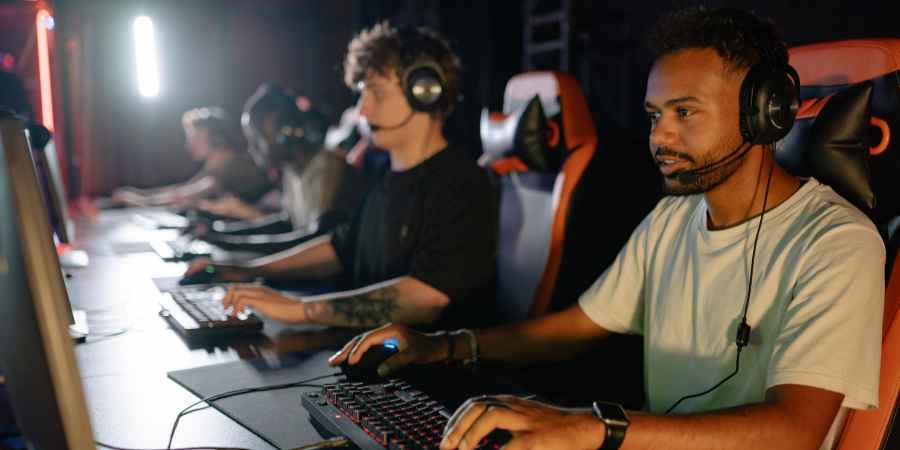
Gaming can create a social opening before anyone needs a perfect introduction. A shared session gives people a reason to communicate with people beyond their immediate community, even when they do not share the same first language or cultural references. The connection can begin with a practical goal, then continue through regular conversation and familiar routines.
Planning a session also helps friends maintain contact across busy schedules and time zones. A cheap Nintendo eshop gift card can be part of arranging Nintendo play, since the product page identifies the platform and regional availability. Matching those details to the intended session keeps attention on the shared activity rather than last-minute logistics.
Shared goals create common ground
Cooperative games give communication a clear purpose. Players can coordinate around timed tasks, visual signals, map markers, and short strategic phrases before personal conversation becomes part of the routine. Those tools support collaboration when spoken language or cultural references differ.
Research on a multiplayer gaming app with participants from more than 100 nationalities found that players developed shared communication conventions over time. Repeated sessions give a group opportunities to establish what a signal, phrase, or action means within its own game space. That practical common language can reduce the need for long explanations during a busy match.
This process does not erase language barriers, exclusion, harassment, or differing communication norms. Social outcomes rest on cooperative design, respectful interaction, accessibility, and each player’s wider social context. The World Health Organization describes evidence on digital technologies and social connection as limited and mixed, so gaming offers potential for connection rather than a guaranteed social benefit.
Repeated play gives relationships room to develop
One session can remain a brief encounter, while recurring sessions create opportunities to recognize familiar names and continue conversations. A weekly co-op appointment or a short evening game can help friends in different time zones stay in touch. Talk about work, school, holidays, food, and local customs can arise naturally around the shared activity.
Among U.S. teens who play video games, 89% say they play with other people either in person or online. Pew Research Center also found that 47% of U.S. teen players say they have made an online friend because of a video game. The figures point to meaningful opportunities for contact without defining the depth or durability of every friendship.
A 12 month Nintendo Switch Online membership gives players a year of subscription access to the service and its online features. Eneba is one strong option for arranging shared access, with region clarity on listings that can help people plan purchases across locations.
Access supports a shared routine
A broad digital catalogue reflects the practical needs around shared gaming across regions. Digital products, including game keys and gift cards, give players ways to prepare for planned sessions without treating access as the relationship itself. Platform details and regional availability remain useful reference points when friends coordinate across borders.
For cross-region Nintendo plans, Eneba lists gift cards for regions including the United States, Europe, the United Kingdom, and Poland, alongside Nintendo platform information. Checking those details supports a smoother plan for the group’s intended setup.
The lasting value comes from respectful, repeated play. Shared objectives can give people room to coordinate, learn each other’s habits, and maintain contact across distance. Gaming can support new conversations and existing friendships when it complements a wider social life and participants treat one another with care.




