
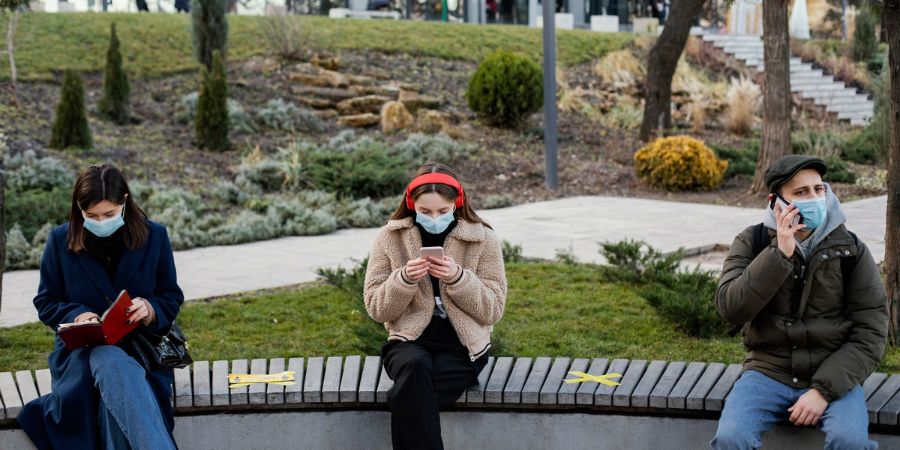
Ever sat on a bench in a park and felt genuinely comfortable? Like, actually wanted to stay there for more than five minutes? It’s rarer than you’d think. Most public seating seems designed by people who’ve never actually sat on it.
Here’s the thing: seating in public environments isn’t just about having somewhere to plop down. It’s about creating spaces where people actually want to spend time, feel safe, and maybe even be a little productive.
The Psychology of Sitting Down
Think about your favorite café. What keeps you there? Sure, the coffee helps, but chances are the seating plays a bigger role than you realize. Comfortable seating signals that a place values its visitors. It says “stick around, you belong here.”
Public spaces work the same way. A well-designed bench in a park can turn a quick walk-through into a leisurely break. Police stations with decent waiting area seating reduce anxiety for visitors dealing with already stressful situations. The psychology is pretty straightforward, but getting it right takes real thought.
Parks: Where Relaxation Meets Reality
Parks present an interesting challenge. The seating needs to handle weather, vandalism, and constant use while still being inviting. You’ve probably noticed how some park benches seem to actively discourage lingering. That’s usually poor design, not intentional hostility.
Good park seating considers who’s actually using the space. Families need different configurations than solo visitors. Elderly users have different requirements than teenagers. The best solutions accommodate everyone without looking like they’re trying too hard.
Companies like Felton have spent years figuring out these details. Their approach focuses on durability without sacrificing comfort, which is trickier than it sounds.
Precincts and Professional Spaces
Now picture walking into a police station or government building. The seating in these environments serves a different purpose entirely. People aren’t there by choice, often dealing with stress or uncertainty. The seating needs to provide some measure of comfort and dignity during what might be a difficult experience.
But here’s where it gets interesting: these spaces also need to maintain authority and professionalism. Too casual, and it undermines the seriousness of the institution. Too formal or uncomfortable, and it adds unnecessary stress to already tense situations.
The Waiting Game
Anyone who’s spent time in a government office knows the waiting can be brutal. Uncomfortable seating makes every minute feel like ten. Decent seating won’t speed up bureaucracy, but it can make the experience less miserable.
The design considerations here are complex. The seating needs to be durable enough for heavy daily use, easy to clean, and appropriate for the setting. It also needs to work for people of different ages, sizes, and mobility levels.
Getting the Details Right
The difference between good and bad public seating often comes down to details most people never consciously notice. Height, back angle, armrest placement, material choice. Each element affects how the seating functions in real use.
Weather resistance matters more than aesthetics if the seating falls apart after two winters. But purely functional design often creates spaces people avoid. The best public seating balances these competing demands without obvious compromise.
The Ripple Effect
Quality public seating creates positive feedback loops. Comfortable spaces attract more users. More users increase natural surveillance, improving safety. Safer spaces get more use and better maintenance. The cycle builds on itself.
To be honest, it’s one of those infrastructure investments that’s hard to quantify but easy to feel. You know when a public space works, even if you can’t pinpoint exactly why.
Good seating won’t solve every problem with public spaces, but it’s a foundation that supports everything else. Get it right, and you create environments where people naturally want to spend time. Get it wrong, and even the most beautiful space feels unwelcoming.
Read Also: Precision at Scale: Improving Operational Throughput with Advanced Weighing Systems




