

The sandwich-generation executive carries an unusual portfolio. The work demands strategic focus during the day; the household demands the same focus on the weekend. An aging parent at home raises a question the leadership playbooks do not address.
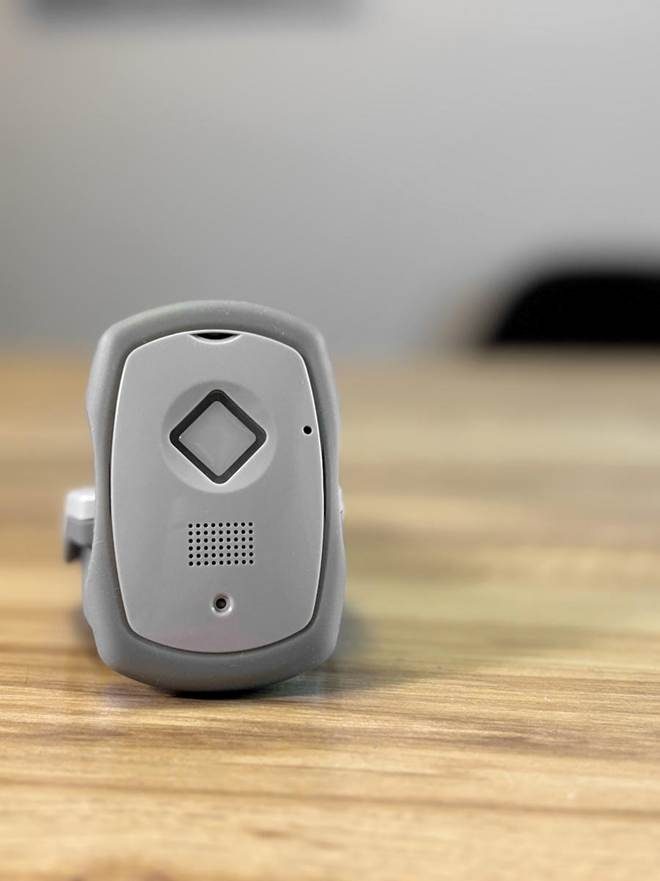
Image courtesy of lifeassure.com
Alt text: Business Leaders Choose Medical Alerts for Parents
Modern business leaders solve that question by treating the parent-care setup the same way they treat any vendor decision. Evaluate options, compare features, lock the contract, and audit annually. A clear shortlist of top rated medical alert systems gives the leader the same kind of structured choice they expect from any other category. The framework below covers the criteria most executives apply.
Why Has Medical Alert Tech Become a Leadership-Level Decision?
Medical alert tech has become a leadership-level decision because the cost of an avoidable emergency exceeds the cost of any reasonable monitoring setup. A 24/7 monitored device that catches a fall in the first 60 seconds reliably outperforms a phone-tag chain across three time zones.
Three structural shifts explain the rising visibility. First, the workforce demographic has aged. More executives now have an aging parent at home, and the parent is staying home longer. The CDC’s older adult falls data covers the public-health framework that informs the leader’s risk calculation.
Second, monitoring tech has gotten better. Modern medical alerts integrate GPS, fall detection, and two-way voice in a single wearable. The investment fits inside any household budget.
Third, audit discipline has improved. Leaders now expect to review the parent-care setup the same way they review insurance and benefits, annually rather than after an incident.
What Six Criteria Anchor the Modern Medical Alert Evaluation?
Six criteria reliably anchor a modern medical alert evaluation.
- Fall detection sensitivity. The wearable must auto-detect a real fall and route to the monitoring center without the wearer pressing a button.
- 24/7 monitoring quality. Real human dispatchers, average response time under 30 seconds, multilingual support if relevant.
- GPS accuracy and battery life. The device must locate the wearer outdoors and indoors with reasonable accuracy and last at least 24 hours per charge.
- Form factor acceptance. The parent has to actually wear the device. Pendant, wristband, or clip-on options matter more than feature lists.
- Contract flexibility. Month-to-month rather than multi-year locks, with a clear cancellation process.
- Total cost of ownership. Equipment, monthly monitoring, optional add-ons, and any installation cost combined.
The healthtech-innovation profile on humansofglobe.com covers the broader healthtech context that informs the criteria leaders apply across categories.
How Should Business Leaders Structure the Decision Process?
The decision process should run the same way any vendor evaluation runs. The leader collects three or four candidate services, scores them against the six criteria, runs a 30-day pilot with one device, and locks the choice.
Three patterns separate strong evaluations from weak ones. The first is the in-home demo. The parent has to try the device for at least a week before the family commits. The wearable that looks good in a comparison chart sometimes loses to a different form factor in daily wear.
The second is the family-meeting cadence. Adult children and the parent need to align on who gets the alerts, who is the primary responder, and how the contact list updates when a family member travels. The AI-in-financial-consulting perspective covers the automation trend that informs how families now structure decisions like these.
The third is the annual audit. The parent’s needs change. The device might still work but the contact list, the monitoring escalation path, and the family member roles deserve a yearly review.
What Are the Common Medical Alert Mistakes Leaders Make?
Five recurring mistakes show up in the sandwich-generation executive population.
- The price-only filter. Picking the cheapest option without weighing monitoring quality leads to slower response times when it matters.
- The “set and forget” assumption. Treating the setup as a one-time decision misses the annual audit and the contact-list drift.
- The single-contact bottleneck. Listing only the leader as the contact creates a failure point during travel or busy work windows.
- The skipped pilot. Locking a 3-year contract without a 30-day trial produces buyer’s remorse if the parent rejects the form factor.
- The over-engineered solution. Buying every available add-on without verifying the parent will use them inflates monthly cost without lifting actual safety.
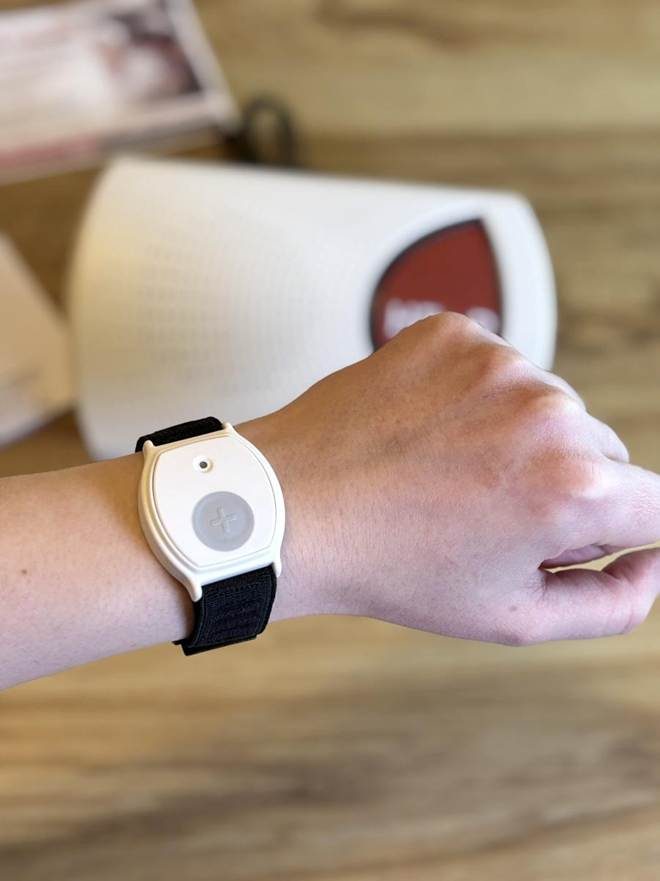
Image courtesy of lifeassure.com
Alt text: Six Criteria Anchor the Modern Medical Alert Evaluation How Business Leaders Choose
The Pew Research data on tech use among seniors covers the broader adoption-curve context leaders should reference when making the form-factor and feature decisions.
A Quick Reality Check for the Sandwich-Generation Executive
A short pre-decision pass covers the criteria most leaders find useful to confirm before signing the contract.
- Confirm fall-detection toggle is enabled on the device
- Verify the 24/7 monitoring center’s average response time
- Check the contract for month-to-month flexibility
- Run a 30-day in-home pilot with the actual device
- Brief at least three family contacts on the escalation flow
- Schedule an annual review cycle for the setup
The Bottom Line for Business Leaders with Aging Parents
The medical alert decision is one of the highest-impact operational choices a sandwich-generation leader makes for the household. The monthly spend is modest. The peace-of-mind impact across travel, work hours, and weekend coverage is significant.
A leader who treats the decision the same way they treat any other vendor evaluation lands a strong setup. The audit cadence keeps the setup current. The result is the household equivalent of a well-managed vendor relationship, which is what most leaders already know how to run.
Frequently Asked Questions
How Much Should a Solid Medical Alert Setup Cost Per Month?
Most reputable services run $25 to $60 per month, depending on device features and monitoring options. Anything dramatically below that range usually indicates limited monitoring or hidden add-on charges.
Should the Leader or the Parent Hold the Contract?
Either works. Leaders often hold the contract for simpler billing and account control. The parent’s name should still be on the monitoring profile so dispatchers know who they are speaking with.
How Often Should the Setup Be Reviewed?
A yearly review is the practical baseline. Major life events (a move, a hospitalization, a change in mobility) should also trigger an off-cycle review.
Does the Device Work When the Parent Travels?
Most wearable medical alerts work nationwide within the country of purchase. International travel typically requires a travel-specific device or a backup arrangement for the duration.




