
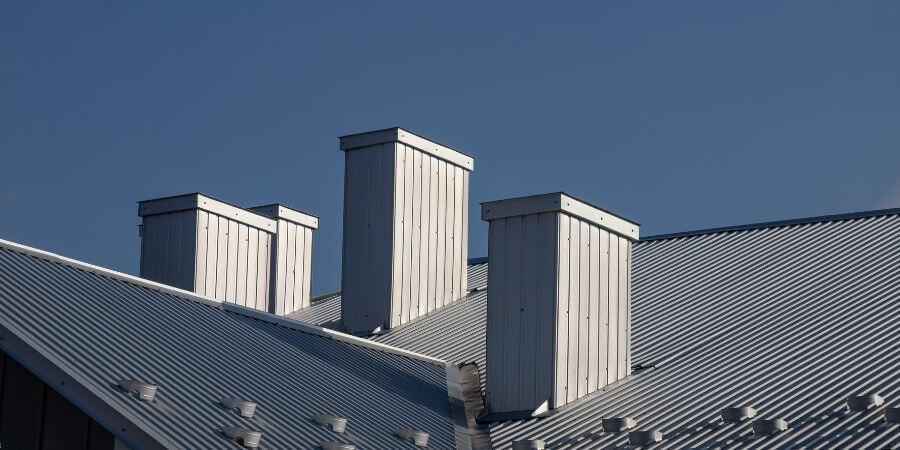
A metal roof does more than protect a home from rain and wind. It also changes how heat moves through the roofing system, which can reduce cooling demands during summer and improve overall energy performance. Reflection, ventilation, and insulation each play a different role, and none of them works as effectively alone. This article explains how these elements work together to improve energy efficiency throughout the year.
Solar Reflectance Sends Heat Back Before It Builds
Metal roofing has a higher solar reflectance than conventional asphalt shingles, meaning it sends more solar energy back into the atmosphere before it becomes heat. That high solar reflectance is one of the primary reasons metal roofs stay cooler than traditional asphalt roofs. Lighter colored panels reflect even more than darker finishes, though both outperform standard shingles. Energy-efficient metal roofing experts recommend selecting panels with high solar reflectance because they help reduce heat transfer into the attic. Less heat reaching the roof deck means less heat pushing into the living space below.
Ventilation Helps the Roof Perform Better
Proper ridge and soffit ventilation removes heat that still enters the attic despite a reflective surface. Even a highly reflective roof performs better when trapped hot air has somewhere to go. Intake vents at the eaves and exhaust vents near the ridge work together to keep air moving. Without that movement, heat can build up in the attic regardless of what the roofing material reflects. Proper ventilation also helps remove moisture from the attic, reducing the chance of condensation that can affect insulation performance. Ventilation is the piece that completes the reflection and insulation working alongside it.
Insulation Helps Reduce Heat Transfer
Reflection and airflow are not the whole picture. Metal roofing systems often pair with added materials that push performance further.
Reflective Coatings
A factory-applied reflective coating reflects infrared energy before it turns into heat on the roof surface. Factory-applied coatings increase the panel’s solar reflectance and help maintain that performance over time.
Radiant Barrier Underlayment
A radiant barrier installed beneath the panels blocks heat from radiating into the attic space. Radiant barriers work best in hot climates where solar heat is the primary concern, rather than as a universal addition to every metal roof.
Winter Performance Depends on the Whole System
During winter, a properly insulated attic limits heat loss regardless of the roofing material on top. Metal roofing performs best when paired with quality insulation and air sealing, which lets the overall roofing system hold a more consistent indoor temperature. During colder months, insulation and air sealing play the biggest role in reducing heat loss, while the metal roof protects the overall roofing system from weather exposure. A well-built metal roofing system protects the insulation beneath it while supporting consistent energy performance throughout the year.
Savings Build Over the Life of the Roof
Metal roofing generally lasts 40 to 70 years, far longer than standard asphalt shingles. Its reflective surface continues reducing heat gain throughout much of that lifespan when the roof receives proper maintenance. Prompt metal roof repair also helps preserve reflective coatings and prevent damage that could reduce energy performance over time. Small issues caught early protect both the roof and its built-in efficiency. Over the decades, this consistent performance is one reason many homeowners consider metal roofing a worthwhile long-term investment.
Metal roofing improves energy efficiency through reflection, ventilation, insulation, and the durability that keeps all three working over time. Each system plays a different role, and none replaces the others. Energy-efficient metal roofing experts can recommend the right combination of roofing materials, ventilation, and insulation to maximize those benefits for each home. When reflection, ventilation, insulation, and quality installation work together, a metal roof becomes one of the most effective long-term upgrades for improving a home’s energy efficiency.




