
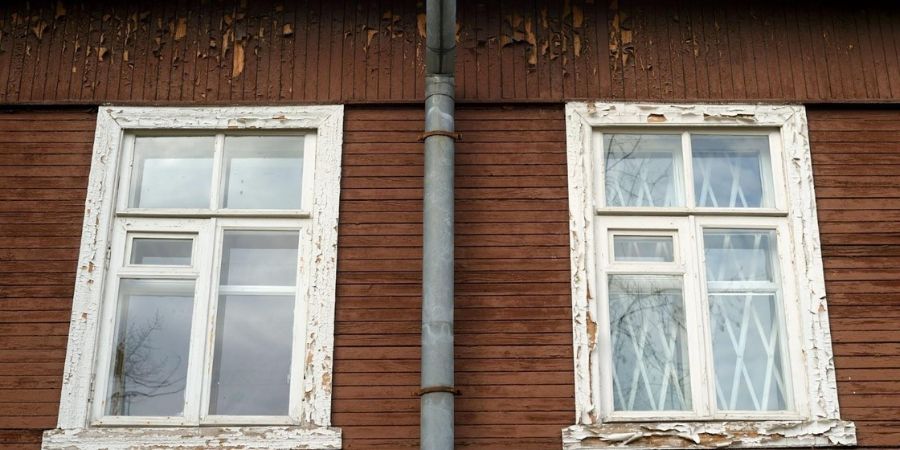
Dry rot is one of those home problems that often stays hidden until serious damage has already occurred. Many homeowners in Washington discover it only after noticing sagging floors, soft window frames, or doors that no longer close properly. By the time these signs appear, the structural impact may already be significant.
Because Washington’s climate is damp for much of the year, homes here are especially vulnerable. When dry rot goes untreated, it doesn’t just affect the look of your home—it can quietly weaken its structure and create real safety risks.
What Dry Rot Really Is (and Why It Spreads)
Despite the name, dry rot isn’t caused by dryness. It’s a type of wood-decaying fungus that thrives in moist, poorly ventilated areas. Once moisture gets into wood framing, siding, or trim, fungal spores can grow and begin feeding on the wood fibers.
As the fungus spreads, it breaks down the strength of the wood from the inside out. Over time, what looks solid on the surface can become brittle, cracked, or hollow underneath.
Common areas where dry rot often begins include:
- Window and door frames
- Deck supports and beams
- Exterior trim and siding
- Crawl spaces and basements
- Roof edges and fascia boards
Homes with older construction or long-term moisture issues are at the highest risk.
How Dry Rot Weakens Structural Integrity
Wood plays a major role in holding your home together. When dry rot attacks framing or load-bearing elements, it reduces the wood’s ability to support weight.
As the decay progresses:
- Floor joists can lose strength and begin to sag
- Wall framing may no longer support upper levels properly
- Decks and balconies can become unstable
- Roof edges may start to pull away or droop
What makes this dangerous is that the damage often isn’t obvious at first. A beam may look intact while being structurally compromised. This hidden weakness is one reason professionals trained in structural wood damage assessment are often needed to identify the full extent of the problem.
Safety Risks for Homeowners and Families
Untreated dry rot isn’t just a construction issue—it’s a safety issue.
As wood loses strength, the risk of sudden failure increases. This can lead to:
- Collapsing deck boards or stairs
- Loose railings and handholds
- Falling trim or siding pieces
- Floors that give way under weight
For families with children, elderly residents, or frequent guests, these risks are even more serious. What starts as a small moisture problem can turn into a hazard zone if left unchecked.
The Link Between Moisture and Ongoing Damage
Dry rot doesn’t stop on its own. As long as moisture is present, the fungus can continue spreading to nearby wood. Even after one area appears damaged, the problem may already be moving into adjacent framing.
Common moisture sources include:
- Poor drainage around the foundation
- Leaking windows or roofs
- Inadequate flashing
- Plumbing leaks
- Poor ventilation in crawl spaces
Without addressing both the moisture source and the damaged wood, repairs may only be temporary. This is why long-term solutions often involve targeted dry rot repairs for moisture-related wood deterioration, not just cosmetic fixes.
Why Cosmetic Repairs Don’t Solve the Problem
One of the biggest mistakes homeowners make is covering up dry rot without fixing it. Painting over soft wood, applying filler, or replacing trim alone may hide the damage, but it doesn’t restore strength.
When decayed wood is left in place:
- The fungus can continue spreading behind new materials
- New paint or trim may fail quickly
- Structural damage can worsen unseen
Proper repairs focus on removing compromised wood, reinforcing affected areas, and preventing future moisture exposure.
How Dry Rot Affects Home Value and Inspections
Dry rot can also create major issues when selling or refinancing a home. During inspections, signs of wood decay often raise red flags.
Inspectors may note:
- Unsafe structural elements
- Water intrusion problems
- Deferred maintenance concerns
These findings can lead to lower offers, required repairs, or delays in closing. Buyers are understandably cautious about homes with unresolved structural risks.
Addressing dry rot early helps protect both safety and property value.
Warning Signs Homeowners Shouldn’t Ignore
Dry rot doesn’t always announce itself clearly, but there are warning signs that shouldn’t be ignored.
Look out for:
- Wood that feels soft, spongy, or crumbly
- Cracked or shrinking trim
- Musty odors near walls or floors
- Doors and windows that stick or shift
- Visible fungal growth or discoloration
If you notice these issues, it may be time to consult professionals experienced in restoring compromised wood structures to evaluate what’s happening beneath the surface.
Long-Term Consequences of Delaying Repairs
The longer dry rot is left untreated, the more extensive and costly repairs tend to become. What could have been a small repair can turn into a larger structural project involving framing replacement, support reinforcement, or extensive exterior work.
Beyond cost, delayed repairs increase:
- Risk of injury
- Spread of damage to healthy wood
- Insurance and liability concerns
Early action is one of the most effective ways to limit damage and protect your home.
Final Thoughts
Dry rot is more than a cosmetic problem—it directly affects home safety and structural strength. In Washington’s moisture-heavy environment, untreated wood decay can quietly weaken essential parts of a home and create serious risks over time.
Understanding how dry rot spreads, recognizing early warning signs, and addressing both moisture and damaged wood are key to protecting your property. When handled properly, repairs can restore stability and prevent future issues.
The most important step is not ignoring the problem. Early evaluation and informed repair decisions help ensure that your home remains safe, stable, and structurally sound for years to come.