
The global manufacturing industry has become very competitive over time. Every firm is always on the lookout for ways to boost its efficiency, cut costs and maintain quality in light of rising customer demands. Whereas automation and technological solutions get all the attention, it would be fair to say that investing in employee safety is one of the best things that a business could do.
Employee safety goes beyond mere compliance. It helps create a working environment in which workers will work with confidence, machines will work effectively and firms will not suffer unnecessary downtime.
The Connection Between Safety And Productivity
Each production process relies on the skillful execution of employees’ tasks. Knowing that one is protected from danger because of safety gear, a worker can concentrate on his productive activities instead of being concerned about the dangers that might appear.
The use of protective gear also decreases the risks of injuries that may stop the workflow. It is enough just to have one accident in the workplace to make the workflow stop. The prevention of such accidents is the key to stable operation for the whole year.
Such stable operation enables companies to plan their production process better and deal with suppliers and customers better.
Investing In Equipment That Supports Skilled Workers
In current times, manufacturers have professionals whose daily job is highly technical. The welder, machinist, fabricator, and technician each need some equipment that is meant to protect them from injury while not hindering their ability to work precisely.
The development in protective equipment technology has come a long way. Protective headgear, gloves, protective clothing, and eye protection are all made with durable materials and designed ergonomically to provide greater comfort while working.
Not only does comfortable equipment encourage the workers to wear the protective gear, but it also allows them to avoid fatigue since they can be more focused on precision.
Worker Confidence Leads To Better Performance
Confidence is very significant when it comes to manufacturing efficiency. Staff members who have confidence in their machinery will be able to focus more and be more accurate in their work.
It is always good for companies to always emphasize on the importance of the safety of their workers since it shows how much they value the lives of their staff.
Such a good relationship helps in the flow of communication between the worker and management. They can raise issues of safety and even suggest new ideas for safety.
Innovation Is Not Limited To Machinery
Many people associate manufacturing innovation with robotics, artificial intelligence, or automated production lines. While these technologies continue transforming factories, innovation also includes improvements in personal protective equipment.
Manufacturers now have access to safety products designed with better materials, improved visibility, lighter construction, and enhanced durability. These advancements help workers perform demanding tasks while maintaining high safety standards.
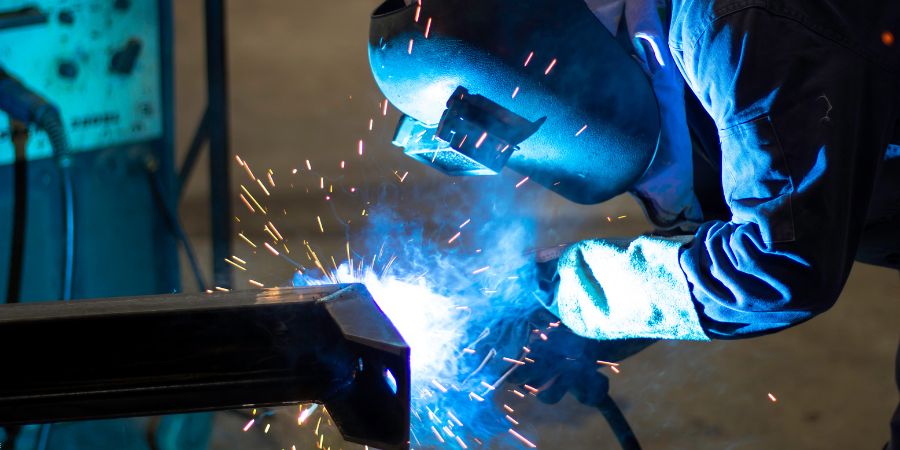
For welding professionals, selecting dependable protective equipment is especially important. Manufacturers seeking specialized options may consider Ridge Products Welding hoods, which are designed to meet the needs of professionals working in demanding industrial environments. Products like these illustrate how ongoing innovation continues improving workplace protection without becoming the primary focus of broader operational strategies.
Building A Strong Safety Culture
Equipment alone cannot create a safe workplace. Successful manufacturers combine quality protective gear with comprehensive training, clear procedures, and strong leadership.
Employees should understand both how to use safety equipment correctly and why each piece of equipment matters. When workers appreciate the purpose behind safety requirements, compliance becomes part of the workplace culture instead of simply following rules.
Leadership also plays a critical role. Managers who consistently model safe behaviors encourage employees to adopt the same standards, creating accountability throughout every level of the organization.
Reducing Costs Through Prevention
Some organizations mistakenly view safety investments as additional expenses rather than long-term business strategies. In reality, preventing accidents often costs significantly less than managing their consequences.
Workplace injuries may result in medical expenses, workers’ compensation claims, equipment damage, legal costs, and production delays. Replacing experienced employees or managing staff shortages can further increase operational costs.
Investing in quality protective equipment helps reduce these financial risks. While no workplace can eliminate every hazard, minimizing preventable incidents contributes to stronger financial performance over time.
Strengthening Workforce Retention
Manufacturers around the world continue facing skilled labor shortages. Recruiting experienced workers has become increasingly competitive, making employee retention more important than ever.
People prefer working for organizations that prioritize their well-being. Companies known for maintaining safe working environments often build stronger reputations among skilled tradespeople, making recruitment easier and reducing employee turnover.
Retaining experienced workers also preserves valuable institutional knowledge. Employees who remain with a company contribute to higher productivity, mentor newer team members, and help maintain consistent product quality.
Safety Supports Global Business Growth
International customers increasingly evaluate suppliers using more than product quality alone. Many organizations also consider workplace practices, operational reliability, and corporate responsibility when selecting manufacturing partners.
Strong safety programs demonstrate professionalism and organizational maturity. They show customers that a manufacturer values consistent processes, responsible management, and sustainable operations.
As global supply chains become more interconnected, dependable manufacturers stand out by delivering reliable production while maintaining high standards for employee protection. This combination strengthens business relationships and supports long-term growth opportunities.
Continuous Improvement Creates Lasting Success
The strongest manufacturing companies rarely treat safety as a completed project. Instead, they continuously evaluate equipment, review procedures, and seek opportunities for improvement.
Regular inspections, employee feedback, updated training, and investments in newer protective technologies all contribute to safer workplaces. Small improvements made consistently often produce significant long-term benefits for both employees and businesses.
Continuous improvement also encourages innovation throughout the organization. Teams become accustomed to identifying better ways of working, improving not only safety but also efficiency, quality, and customer satisfaction.
Preparing Manufacturing For The Future
The future of manufacturing will see an ongoing blend between advanced technologies and professional expertise of people. While automation may enhance efficiency, there will always be a need for highly skilled professionals who will handle complex procedures, ensure quality control, maintain machinery, and engage in fabrication.
Protection of these skilled people will be a key strategy for manufacturers looking to grow sustainably. The provision of high-quality protective gear is beneficial not only for increasing productivity and minimizing the risk involved in operations but also for enhancing the morale of the employees.
Companies that treat workplace safety as an investment instead of a mere requirement will prove themselves more resilient in international competition. By using innovation in protective gear, leadership, and continuous improvement, manufacturers create work environments where employees do their best.




