
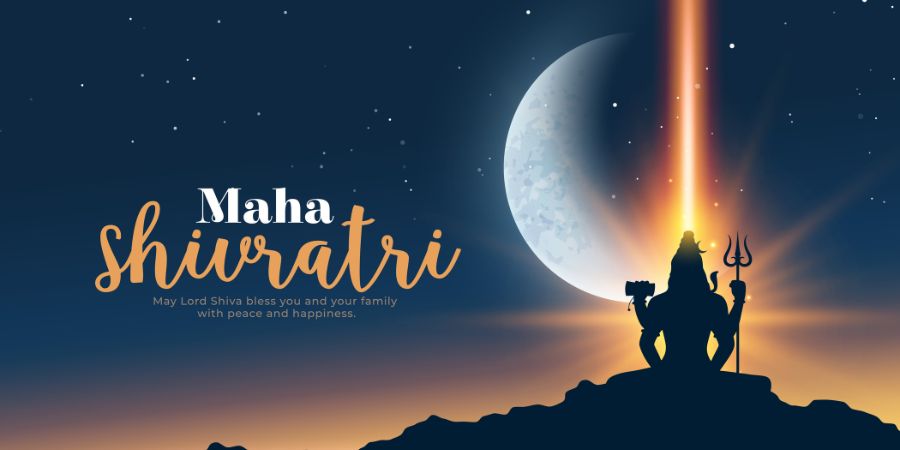
Maha Shivaratri is a Hindu festival that is very sacred. It is one night with Lord Shiva and a time of profound thought and spiritual practice and inner revelation. The festival will be on Sunday, February 15 in 2026. This evening and night is the most powerful time to get into touch with Mahadev because of the timing of the Chaturdashi tithi.
This guide explains the maha shivaratri 2026 date, the most auspicious windows to worship, practical maha shivaratri fasting guidance, and a clear maha shivaratri puja vidhi you can follow at home or in the temple.
Read this as a plain, useful manual for devotion and practice.
Quick facts: date and core timings
- Maha Shivaratri 2026 date: Sunday, February 15, 2026, with main worship continuing past midnight into February 16.
- Tithi window: Chaturdashi tithi begins at 05:04 PM on February 15 and ends at 05:34 PM on February 16 (New Delhi reference).
- Most auspicious worship window (Nishita Kaal): 12:09 AM to 01:01 AM on February 16.
- Four Prahar divisions for overnight worship allow devotees to perform shiv puja at each prahar.
These timings are the backbone of all maha shivaratri 2026 timings recommendations. If you live outside India, convert these windows to local time and aim to be in sync with the maha shivaratri 2026 puja time in your area.
The Importance of Maha Shivratri
Maha shivaratri is referred to as the night of Shiva the Lord and it is a profound spiritual occasion. The festival praises Shiva who destroys the ego and transforms the barriers. Celebrating maha shivaratri 2026 is to become part of a long-standing history of suffering, meditation, mantra chanting and temple vigils.
The night is a concentrated opportunity of inner work and reconnecting with devotion to shiva bhakti.
Preparing for the fast: maha shivaratri fasting rules made simple
Fasting on maha shivaratri deepens focus and aligns mind and body with spiritual intent. Here are practical maha shivaratri fasting steps and shivaratri fasting rules for beginners and experienced devotees.
- Decide the fast format. Some observe a strict waterless fast, others take fruits and milk, and many do a simple no-grain fast. Choose a method you can maintain without harm.
- Sankalp (resolve). Take a small vow before the puja. State your intention aloud or mentally. This is part of the maha shivaratri vrat ritual.
- Avoid stimulants and heavy meals. No alcohol, tobacco, or processed foods during the fast. Keep light, sattvic food if you break the fast earlier.
- Break the fast carefully. Parana time on maha shivaratri 2026 typically falls after dawn the following day; check local maha shivaratri 2026 timings for the precise parana window. If you must break the fast earlier for health reasons, do so with simple fruits and water.
For first-timers, how to do maha shivaratri fast is straightforward: fast through the night, stay awake in vigil, perform or attend shiv puja at Nishita Kaal, and break your fast during the prescribed parana period.
Step by step: maha shivaratri puja vidhi at home
You do not need a temple to perform authentic maha shivaratri rituals. This maha shivaratri puja vidhi will guide a home worship that respects tradition.
- Clean the space. Prepare a clean altar and place a shiv lingam worship icon or an image of Lord Shiva. Keep water, milk, bilva leaves, flowers, and incense close.
- Sankalp and invocation. Light a lamp, offer water to Lord Shiva, and take the sankalp. Offer a short prayer to invoke Shiva as the remover of darkness.
- Abhishek. Perform milk and water abhishek followed by panchamrita if available. Use cool, clean water, milk, honey, curd, ghee and sugar for panchamrut abhishek if you have it. The act of cleansing the lingam is central to maha shivaratri rituals.
- Bilva leaves offering. Offer bilva leaves offering in sets of three, rotating them while chanting the shiv mantra chanting or simple names like Om Namah Shivaya. Bilva leaves are considered very dear to Shiva.
- Four Prahar worship (optional). Divide the night into four segments and repeat a concise set of offerings in each prahar. If pressed for time, perform the full puja at Nishita Kaal.
- Aarti and bhajans. Close the ritual with a gentle aarti or bhajans. Maintain silent meditation afterward to absorb the practice.
This maha shivaratri puja vidhi reflects core elements: shiv lingam worship, bilva leaves offering, rudra abhishek and continuous chanting.
Four Prahar method explained
Traditional devotees observe four prahar puja during the night. A prahar is roughly three hours and the idea is to remain awake and mindful. The prahar windows for maha shivaratri 2026 timings in major Indian cities are approximately:
- First Prahar: early night to late evening on February 15.
- Second Prahar: late evening to around midnight.
- Third Prahar: post-midnight until early morning.
- Fourth Prahar: early morning into dawn on February 16.
Many temples will perform elaborate rituals at each prahar, including rudra abhishek and extended chanting of Vedic hymns.
Mantras, songs and what to chant
Chanting is a critical practice for maha shivaratri celebration. Primary mantras include Om Namah Shivaya and the Maha Mrityunjaya mantra for protection and healing. If you have access to a copy, reciting the Rudram or short Shiva stotras enriches the night.
Keep the chanting steady. If you aim for a concentrated practice, string together 108 repetitions of Om Namah Shivaya. That simple practice aligns breath, attention and devotion.
Practical tips for temple and home worship
- Arrive early at temples. Popular temples fill quickly for maha shivaratri celebration.
- Carry bilva leaves and fresh flowers if visiting a temple. Many temples supply them but home offerings are sincere.
- Dress modestly and in comfortable layers. The vigil can be long and temperatures drop overnight.
- Keep a small bottle of water and dates or light fruit on hand for sustaining energy during the fast.
- If you are pregnant, have diabetes, or face health issues, tailor the fast to medical guidance. Spiritual practice is not a contest.
Spiritual benefits and the deeper significance
The meaning of Maha shivaratri is not limited to ritual. The night is an allegory of inner awakening, annihilation of ignorance and renewal. The practice of maha shivaratri brings about discipline, enhanced meditation, and forms a connection with silence and self-reflection.
The spiritual gains of shivaratri are immense to several followers: less psychological agitation, decisiveness, and a resurgence of submission.
Common questions answered
- Is fasting mandatory on maha shivaratri? No. Maha shivaratri fasting is a recommended practice but not a legalistic requirement. Healthy adaptation is always the wiser choice.
- When is the best maha shivaratri 2026 puja time? Nishita Kaal, 12:09 AM to 01:01 AM on February 16, is the most auspicious. Performing puja then aligns with traditional timing.
- Can I perform maha shivaratri vrat katha at home? Yes. Read the traditional vrat katha or listen to a recorded recitation. Sharing the story then performing the puja deepens the vrata.
- What are simple shivaratri fasting rules for beginners? Keep to light, sattvic food before the fast, hydrate well, stay warm, and break the fast in the correct parana window or as advised by your priest.
A simple ritual for children and beginners
For families, simplify the night: light a lamp, tell a short story about Lord Shiva, do a small milk and water abhishek, offer a couple of bilva leaves, chant five to ten repetitions of Om Namah Shivaya, and sit together in quiet meditation for ten minutes. This teaches devotion without strain.
Closing
Maha Shivaratri is both private and communal. You may attend a temple for the full maha shivaratri celebration or keep the practice quiet at home. Either path works when intention is sincere. Use maha shivaratri 2026 as a chance to reset daily habits, to deepen prayer, and to practice one sustained night of vigil and presence.
Plan your maha shivaratri 2026 around the maha shivaratri 2026 timings listed here. Prepare your fast, keep the maha shivaratri puja vidhi simple and clear, make space for silence, and offer devotion through humble acts such as the bilva leaves offering and steady shiv mantra chanting. The night offers renewal. Use it well.
Read Also: Ilia Malinin Net Worth: How Rich is the Figure Skating Prodigy?




