
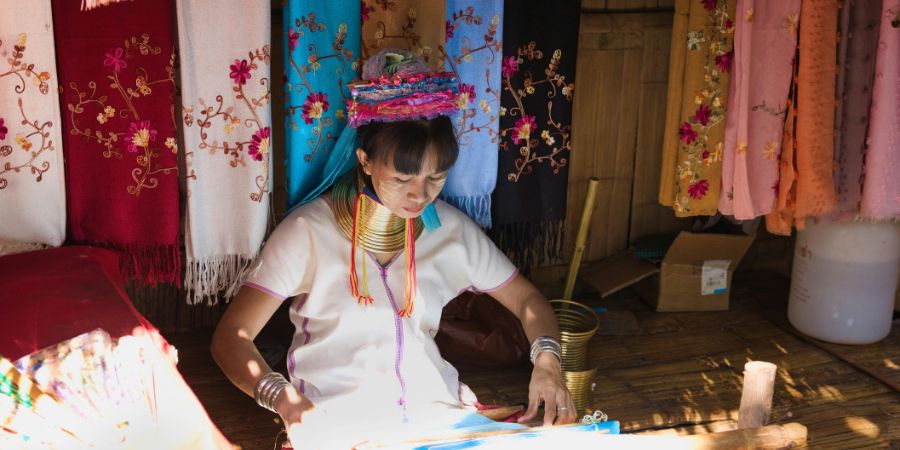
Scarves tend to be thought of as humble things, lengths of cloth draped about one’s neck for warmth or fashion. But scarves have meant much more than merely being useful across different cultures and through history. They are cultural objects, markers of identity and narrative devices that populate photography, literature and the wider world. Heritage, emotion and creativity all live in scarves: they are a catalyst for the human story.
The Cultural History of Scarves
Scarves have been around for ages, and have had practical as well as symbolic uses. Sudariums were worn in Roman times to wipe away sweat, and scarves signified military rank in China. In the Middle East, scarves such as the keffiyeh served as emblems of resilience and tradition. In Europe, silk scarves fought to enhance elegance as well as social status and they are found on aristocracy’s neck at that time.
Scarves evolved to express more than just practicality. They became symbols of religion, ritual and social identity and are woven into the fabric of communities around the world.
Scarves in Global Photography
Photography History helped record the cultural meaning behind shawls. Many of the portraits will prominently feature scarves as symbols for tradition, survival or a brand new life. For instance, the revered images of women from South Asia draping their dupattas or shawls represent tradition and identity. In the Middle East a keffiyeh, its two ends tied around the back of the head, is a symbol of unity and resistance.
Scarves are also visual shorthand in pictures, making cultural membership instantly legible. In portraits, they add a layer of meaning about heritage, struggle and pride that need not be spoken.
The Art of the Scarf and Other Tales of Literature & Media
Scarves often play a role in fiction and depictions of the fine arts. In literature, a scarf can signify memory, love or loss. That’s because in film, scarves can be emotional — on one character who clutches it through a scene, as if he can bring himself to where they are; or for another, who might wear a scarf to signal change.
Colors and patterns of suits, styles, etc. say things narratively.” A red scarf might suggest passion or rebellion, and a white scarf purity or peace. These nuances add depth to storytelling, so scarves become more than accessories — they are narrative tools.
- The Symbolism of the Scarf as Identity Signage in Everyday Life
- The wearing of scarves is closely associated with the cultural identity.
- Middle Eastern keffiyeh: Symbol of tradition, resilience and political identity.
- South Asian dupatta: A symbol of modesty, grace and ethnic identity.
- European silk scarves: Wore by the elegant and artistic.
Scarves unite communities from both sides of a boundary line, and can express social attitudes and generational stability. They are for ceremonies,casts,and daily life, traditional and modern- mash-up.
Where Fashion and Storytelling Meet
Scarves are a sartorial intersection of fashion and narrative. Designers reimagine traditional symbols for heritage meets new world appeal. To wear a scarf can mean the ease and warmth of simply putting on another layer, or it can tell us an entire cultural story.
Nowadays, scarves are also used for fashion purposes, emphasizing one’s individual style. With wild patterns, eco-friendly materials and innovative design, they allow wearers to express identity while paying homage to tradition. Just because when it comes to scarves, heritage and modernity strike a perfect balance making scarves the timeless cultural artefacts that they are.
- Learn by the Book: What We Can Learn from Scarves when it Comes to Telling Stories
- Scarves also carry important lessons about culture and symbolism:
- Heritage Matters: Scarves keep tradition alive and bond generations.
- Tiny Trinkets, Great Tales: Even the smallest trinket can hold a profound cultural narrative.
- Fashion As Identity: What our scarves say about the clothes we wear and what we value .
- Innovation and Tradition: Modern takes demonstrate how culture evolves while still holding onto the roots.
This is where companies such as 4inbandana play an important role. By designing blank scarves they make it possible for people and companies to write their own stories into design. A custom scarf is not merely fabric — it’s a cultural statement that weaves tradition with imagination, for the wearers to sustain their narrative throughout photography, fashion and day-to-day life.
Scarves as Cultural Artifacts
Scarves are more than accessories. They are cultural narrators, popping up in photography and literature and life as emblems of heritage, identity, emotion. Scarves have always been vessels of stories that link communities and generations, from ancient civilisations to the ranks of today’s haute couture.
Colour, design and style make scarves into cultural artefacts whilst personal memories and emotions make them real. As fashion changes globally, the scarf has become a timeless connector between past and present, utility and identity.
They’re a reminder, in the end, that culture is woven into the smallest things. ONOVA Magic Scarf The scarf you wear on your shoulder as well as the one you see over a picture; it’s not only a cloth, but also reflect your attitude to life This multi-function scarf is available in various colors to choose from!