
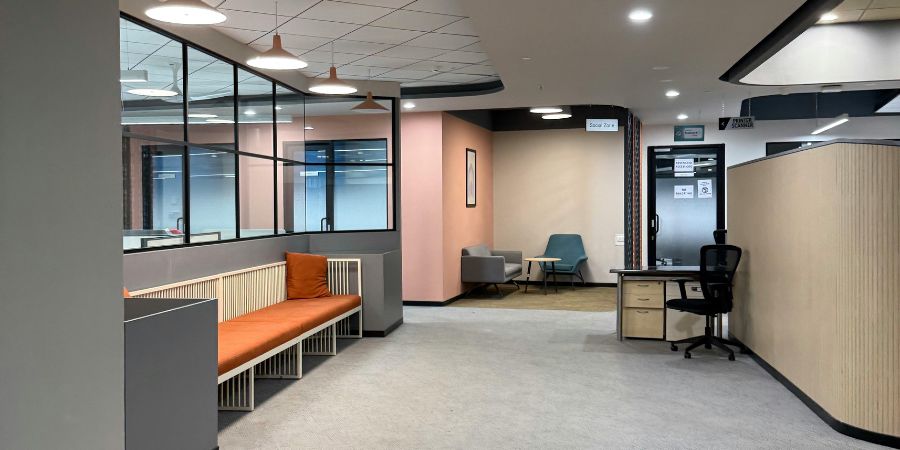
New Zealand’s business interiors are undergoing a quiet revolution. Driven by a mix of post-pandemic shifts, economic caution, and environmental urgency, office design is being reimagined to reflect a more agile, inclusive, and sustainable way of working. The focus is no longer just about making spaces look good, but about making them work better—for people, productivity, and the planet.
Here are the key trends shaping the evolution of commercial interiors in New Zealand today.
Flexibility Is the New Standard
Office design has shifted from permanence to adaptability. With hybrid work now the norm, businesses are embracing layouts that can change with evolving needs. Modular furniture, moveable partitions, and multipurpose spaces are central to this approach. These elements allow teams to reconfigure areas quickly, whether to support collaboration, quiet work, or team meetings. Once rigid spaces are now dynamic, serving multiple functions throughout the day without requiring major rework.
Sustainability Through Circular Design
Environmental responsibility is increasingly influencing how businesses fit out their interiors. Rather than buying new, many are turning to repurposed and pre-owned options to reduce waste and carbon impact. A growing number of companies are choosing to explore FIL Furniture NZ as part of this shift, recognising that second-hand furniture can meet both aesthetic and functional needs while aligning with sustainability goals. Circular design practices, where furniture is reused, refurbished, or reconfigured, are making it easier for offices to stay eco-conscious without compromising quality or style.
Zoned Workspaces and Activity-Based Layouts
Traditional desk-centric layouts are giving way to activity-based designs. Rather than assigning a single desk to each employee, offices now offer a range of settings tailored to different tasks. Quiet corners are designed for focused work, open areas for collaboration, and lounges for informal catch-ups. This approach enables staff to move throughout the day depending on the activity at hand, promoting autonomy and minimising disruptions. It also supports hybrid teams by ensuring space is used more efficiently and intuitively.
Prioritising Acoustic Control
Open-plan designs have remained popular, but they come with challenges—particularly around noise. Acoustic control is now a top priority in modern interiors. Designers are incorporating materials and features that absorb sound without compromising on design. From ceiling panels and wall features to desk-mounted screens and enclosed pods, the goal is to allow employees to focus without retreating entirely from the collaborative energy of the office. Striking the right acoustic balance is essential for both productivity and workplace comfort.
Seamless Tech Integration
Technology is no longer a layer added after the fit-out. It’s embedded into the design from the outset. Smart lighting, integrated power outlets, wireless charging points, and cable-free setups are standard expectations. Meeting spaces are being designed for video-first communication, with soundproofing and built-in AV systems that support remote collaboration. This kind of seamless integration not only boosts efficiency but also reflects the digital maturity of the business itself. Tech-enabled environments are becoming non-negotiable for attracting top talent and maintaining operational agility.
The Influence of Biophilic Design
There’s a rising demand for interiors that support wellbeing, and biophilic design is becoming a preferred approach. Offices are increasingly designed to maximise natural light, include greenery, and use natural materials like timber and wool. These elements aren’t just decorative. They help reduce stress, improve air quality, and create a more pleasant working environment, all of which contribute to better employee health and performance.
Personalised, Brand-Aligned Interiors
Today’s offices are expected to reflect more than just function—they need to communicate identity. From colour schemes inspired by company branding to custom artwork and local design elements, offices are becoming more expressive. Businesses are creating spaces that reflect their values, culture, and community ties. This attention to detail helps foster belonging among staff and creates a lasting impression on visitors. More than ever, interiors are being used to signal purpose and personality.
Designing Workspaces That Work Harder
As New Zealand workplaces continue to evolve, interior design is moving in step with wider cultural and operational shifts. Offices are no longer just places to work—they are environments that shape how work feels, flows, and flourishes. By aligning fit-outs with these priorities, businesses can better support their people and prepare for what’s next.




