
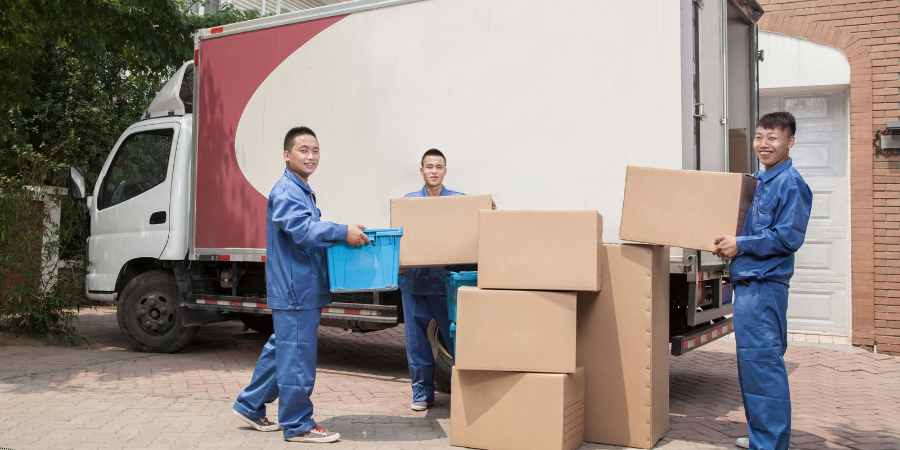
Relocating to a new home involves far more than transporting boxes from one place to another. A well-managed move is defined by preparation, clear communication, and efficient coordination at every stage. Whether the relocation is within the same city or across regions, successful outcomes usually come from structured planning and experienced logistics management. Understanding what a well-run move looks like from beginning to end helps households set realistic expectations and recognise the elements that keep the process organised and low-stress.
Early Planning And Professional Coordination
A well-run move begins with careful planning long before packing starts. Establishing timelines, identifying potential logistical constraints, and understanding the scope of the relocation all contribute to smoother execution.
Many households begin by consulting with experienced relocation providers to assess volume, access conditions, and transportation requirements. Professional movers familiar with New Zealand’s diverse housing layouts and transport routes can identify challenges early, such as narrow driveways, multi-storey apartment access, or ferry logistics between islands.
In situations where complex relocations are involved, services such as Grace Removals New Zealand professional home relocation specialists illustrate how structured planning and experienced coordination help ensure the moving process is organised well before the moving date. Proper early preparation often determines whether a relocation proceeds smoothly or becomes unnecessarily stressful.
Clear Inventory And Packing Preparation
One of the defining traits of a well-run move is a clear understanding of what is being transported. A detailed inventory allows movers and households to track items, estimate packing requirements, and allocate transport space efficiently.
Packing preparation also involves selecting the correct materials and methods to protect belongings. Fragile items, electronics, artwork, and furniture require different forms of protection during transit. Professional teams often rely on protective packing systems, furniture padding, and custom carton solutions to minimise movement and prevent damage.
When packing is organised systematically, room by room, with clearly labelled cartons, the unpacking process at the destination becomes far easier. Proper inventory tracking also reduces the risk of misplaced items during loading, transport, and unloading.
Efficient Loading And Transport Logistics
Loading day is where preparation translates into action. A well-run move follows a structured loading sequence designed to maximise space, protect fragile items, and maintain balance during transport.
Large furniture pieces are typically secured first, followed by cartons arranged according to weight and fragility. Professional movers often apply load restraint systems to maintain vehicle stability during transit, reducing movement and vibration, particularly over long distances. Guidance from Waka Kotahi NZ Transport Agency highlights that improperly secured loads can shift during transport, increasing the risk of damage and instability.
Transport logistics also play a crucial role. Route planning takes into account traffic conditions, travel time, ferry schedules when moving between islands, and potential weather disruptions. Efficient transport planning helps ensure items arrive within the expected timeframe while maintaining the safety of the load.
Careful Handling And Unloading At Destination
A well-run move continues with organised unloading at the destination property. Movers typically follow a pre-agreed placement plan so cartons and furniture are positioned directly into their intended rooms. This saves significant time during unpacking and prevents unnecessary rearranging later.
Professional handling techniques are particularly important during unloading. Stairs, narrow hallways, and tight doorways require careful manoeuvring to protect both furniture and property surfaces. Movers often use lifting straps, protective floor coverings, and corner guards to reduce the risk of scratches or impact damage.
At this stage, the earlier inventory preparation becomes especially valuable. Items can be checked off systematically, ensuring everything arrives safely and in the expected condition.
Structured Unpacking And Final Setup
The final stage of a well-run move focuses on settling into the new home efficiently. While some households choose to unpack independently, many relocations benefit from structured unpacking assistance.
Professional teams can help reassemble furniture, remove packing materials, and organise items according to room layouts. This approach reduces the overwhelming feeling many people experience after moving day.
Unpacking also provides the opportunity to verify that fragile items remain intact and that furniture components are correctly reassembled. When the process is handled methodically, households can transition into their new living environment far more quickly and comfortably.
A Move That Feels Organised From Beginning To End
A well-run move is rarely the result of last-minute effort. Instead, it reflects careful planning, clear communication, and professional handling at each stage of the relocation process. From early coordination and structured packing to efficient transport and organised unloading, every step contributes to a smoother transition.
Understanding what this process looks like allows households to approach their relocation with confidence and realistic expectations. When preparation and logistics are handled correctly, moving becomes less about disruption and more about starting the next chapter in a new home.




