
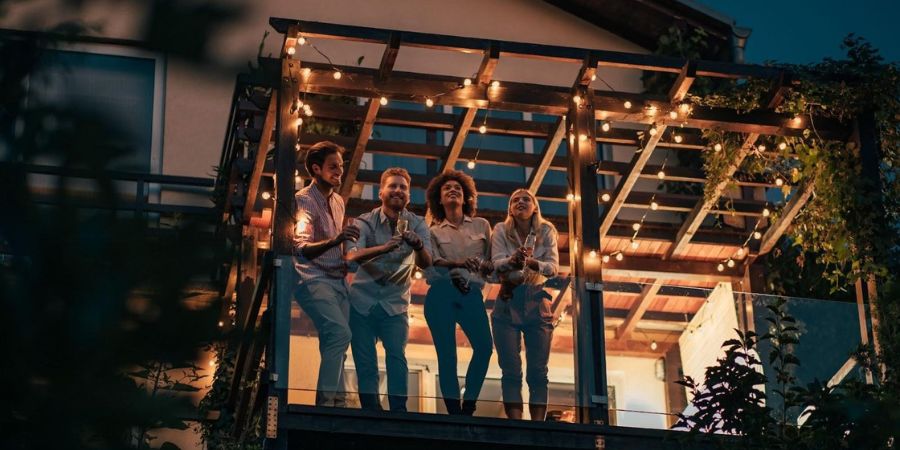
Deck lighting can transform an outdoor space. It improves safety, adds warmth, and makes your deck usable long after sunset. But many homeowners in Washington end up unhappy with their lighting results because of small planning mistakes that are easy to avoid.
With frequent rain, long winter nights, and moisture exposure, deck lighting here needs extra thought. Understanding the most common errors can help you design a setup that looks good, works well, and lasts.
Treating Deck Lighting as an Afterthought
One of the biggest mistakes is waiting until the deck is finished before thinking about lighting. When lighting is added at the end, homeowners often face visible wiring, awkward fixture placement, or limited design choices.
Lighting works best when it’s planned during the deck design stage. This allows for:
- Clean, hidden wiring paths
- Even light coverage
- Proper spacing between fixtures
- A more polished overall look
Homeowners who plan lighting alongside the structure—often with guidance from a trusted deck installation contractor—tend to avoid these issues because lighting is designed around how the space will actually be used.
Using Too Few Lights Across the Deck
Under-lighting is extremely common. Many homeowners think a single fixture or two will be enough, but shadows quickly become a problem, especially in larger decks.
Areas that almost always need dedicated lighting include:
- Staircases and step edges
- Walking paths
- Seating and dining areas
- Deck perimeters and railings
Without enough light sources, decks feel unsafe and underused during Washington’s darker months.
Choosing Lights That Are Too Bright
Over-lighting is just as problematic. Very bright fixtures can cause glare, wash out the deck’s appearance, and make the space uncomfortable.
This usually happens when homeowners:
- Use security-style lights instead of ambient ones
- Choose bulbs with very high lumen output
- Install lights at eye level without shielding
Deck lighting should guide movement and create atmosphere, not overpower the space.
Forgetting Stair and Step Lighting
Deck stairs are one of the most dangerous areas, especially when surfaces are wet. Skipping step lighting can lead to slips, falls, and injuries.
Common stair lighting mistakes include:
- Lighting only the top or bottom step
- Relying on nearby lights instead of direct step illumination
- Installing fixtures that cast shadows instead of lighting treads
Low-profile lights mounted on risers or side walls provide safer, more consistent visibility.
Using Fixtures Not Designed for Wet Weather
Washington’s climate demands outdoor-rated lighting. Using indoor or low-quality fixtures often leads to early failure.
Problems caused by poor fixture choices include:
- Rust and corrosion
- Moisture trapped inside lenses
- Electrical shorts
- Frequent bulb replacements
Weather-rated fixtures designed for wet conditions last longer and perform better year-round.
Ignoring Light Direction and Placement
Where light lands matters as much as how bright it is. Poor placement can create glare or leave important areas dark.
Examples of common placement mistakes:
- Lights aimed directly at seating areas
- Downlights that create harsh shadows
- Rail lights shining outward instead of inward
A thoughtful layout—often part of a well-planned outdoor lighting installation for decks—ensures light enhances safety without being distracting.
Mixing Too Many Lighting Styles
Using multiple lighting styles can quickly make a deck feel cluttered. Mixing finishes, shapes, and color temperatures often results in an unbalanced look.
Common issues include:
- Combining modern and traditional fixtures
- Using different light colors on the same deck
- Mixing finishes that don’t match railings or hardware
Sticking to one main lighting style with subtle variations usually creates a cleaner, more cohesive appearance.
Skipping Controls and Lighting Zones
Many decks rely on a single switch, which limits flexibility. Without zones or controls, lighting may feel too bright for quiet evenings or too dim for gatherings.
Better lighting setups often include:
- Separate zones for stairs, seating, and perimeter areas
- Dimmers for adjustable brightness
- Timers or smart controls for automation
These features improve usability while reducing energy waste.
Overlooking Energy Efficiency
Deck lighting often stays on for long periods, especially in winter. Inefficient lighting increases electricity costs and maintenance needs.
Common efficiency mistakes include:
- Using outdated bulb types
- Installing fixtures with poor energy ratings
- Leaving lights on longer than necessary
LED lighting is usually the best option because it uses less power, lasts longer, and performs better in cold weather.
Rushing DIY Installations Without a Plan
DIY deck lighting can work, but problems arise when planning is rushed. Many issues aren’t visible right away but show up months later.
Typical DIY problems include:
- Exposed or poorly protected wiring
- Uneven light spacing
- Inconsistent brightness
- Connections that fail in wet conditions
Fixing these mistakes later often costs more than doing it right the first time.
Final Thoughts: Good Lighting Should Feel Natural
Well-designed deck lighting doesn’t draw attention to itself. It quietly improves safety, comfort, and usability. When lighting is planned carefully—and aligned with how the deck is built and used—it becomes an extension of the space rather than an afterthought.
By avoiding these common mistakes, homeowners in Washington can enjoy decks that feel welcoming, safe, and functional no matter the season.




