

If you are, for example, starting or already running a contracting business, then you have most likely heard about contracting license bonds. You probably also know that most states require contractors to get one of these before they can legally work. But, you don’t really want to jump towards anything before getting a better understanding of this. Before figuring out what it is and who it protects, as well as why you may want to get one and how to get the right one.
In short, you have quite a lot of questions on your mind. And you want to have them answered before you make any kind of a final decision regarding these bonds. After all, understanding contractor license bonds is undeniably essential when it comes to staying compliant and building credibility, as well as protecting your business reputation. So, if you are ready to do the learning, then keep on reading to find out what you need to know about this actual concept and to get your questions answered. Here we go.
What Is a Contractor License Bond?
It is not a surprise that we are going to begin with the question of what a contractor license bond actually is in the first place. After all, there would certainly be no point in talking about why you should get this and how you can get it if you don’t even understand what it is. Let us shed some light on the concept and make things clearer for you.
To cut right to the chase, a contractor license bond is actually a type of surety bond that is required in California, and some other states or local governments, as a condition for either receiving or renewing your contractor’s license. What it does is guarantee that a contractor will follow applicable laws, as well as building codes and contractual obligations. It differs from traditional insurance because it does not primarily protect the company, but actually the clients and property owners, the government agencies, as well as the public in general.
Understand surety bonds better in general: https://www.business.com/insurance/surety-bond/
In short, the bond actually ensures that if you, as the contractor, violate some licensing laws, or fail to complete a project properly, or if you engage in some unethical practices, the affected parties can file a claim in order to recover the financial damages. So, as you can see, it really serves to protect everyone involved in the process, and not just you as the contractor. And that is a huge plus for various reasons, but we will get to that a bit later.
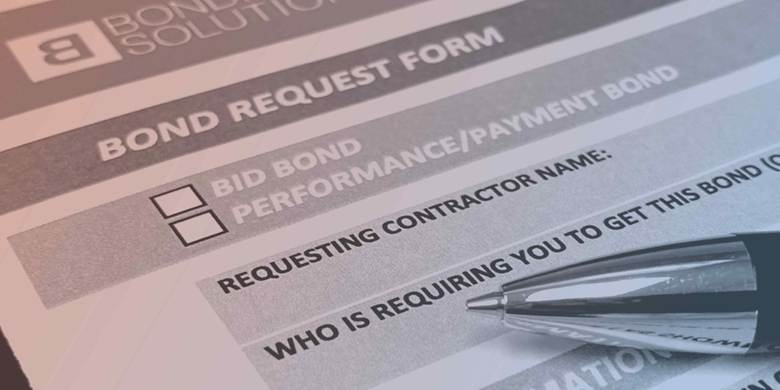
Before we get to that, we have to ensure that you understand, well, how contractor license bonds really work. And, well, they involve three parties. The principal, that is, the contractor who purchases the bond; the oblige, which is the government agency requiring the bond, as well as the surety, which is the bonding company that issues the actual bond.
Thus, if the contractor violates some regulations or causes some financial harm due to not staying in compliance, a claim can be filed against the actual bond. And then the surety may pay valid claims, up to the actual bond amount, so that you, as the contractor, don’t have to pay out of your pocket right away. Yet, you will ultimately be responsible for repaying the surety for any of the claims that are paid. So, in short, this bond is actually a financial guarantee of ethical and lawful conduct, and it is not a substitute for liability insurance.
Why Get It?
Okay, now that you understand what these are and how they work, what you want to do next is figure out why you should actually get one. And, well, there are several important reasons why contractors are actually required to carry these license bonds. So, we are now going to discuss those in a bit more details, hoping to ultimately help you understand why it is that you need this.
First things first, there is legal compliance as the reason number one. As mentioned, this bond is a requirement in many states as part of the licensing process. For example, a California contractor license bond is required by the California Contractors State License Board, and they actually mandate specific bond amounts before they issue licenses to contractors. Without the bond, thus, you may not be able to obtain or renew your license, and failing to maintain an active bond can lead to license suspension, revocation, as well as fines, penalties, and the inability to bid on projects.
Furthermore, this is necessary because it ensures consumer protection. It protects homeowners, property developers, as well as the public in general from any kind of financial harm that could be caused by incomplete work, code violations and similar transgressions. And, of course, when you have it, you should show that you are ready to take accountability for your actions.
Moving on, since being bonded shows accountability, it also signals professionalism and financial responsibility. All of this means that clients are sure to view you as trustworthy because you have met the state licensing requirements, because you have reviewed your financial stability, and because they have resources available in case anything goes wrong. And, building trust with clients is important, as I am sure you understand. On top of everything, when you have a contractor license bond, you will be able to bid on projects that would otherwise be unavailable to you.
How to Get It?
Having understood what a contractor license bond is, how it works and why you should get it, what you want to do now is, well, figure out how to actually get it for yourself. And, well, clearly, you start with determining the bond requirements, such as the required amount and the specific bond form needed, as well as any additional requirements for specialty classifications, for example. Once you understand the requirements, the next thing you have to do is find the right surety provider and apply for this through them. Make sure to choose wisely here, because that is your main task, and when you have the right provider on your side, you will be able to get the best deal.
Read Also: 8 Automated Workflows That Save Financial Advisors 10 Hours a Week




