
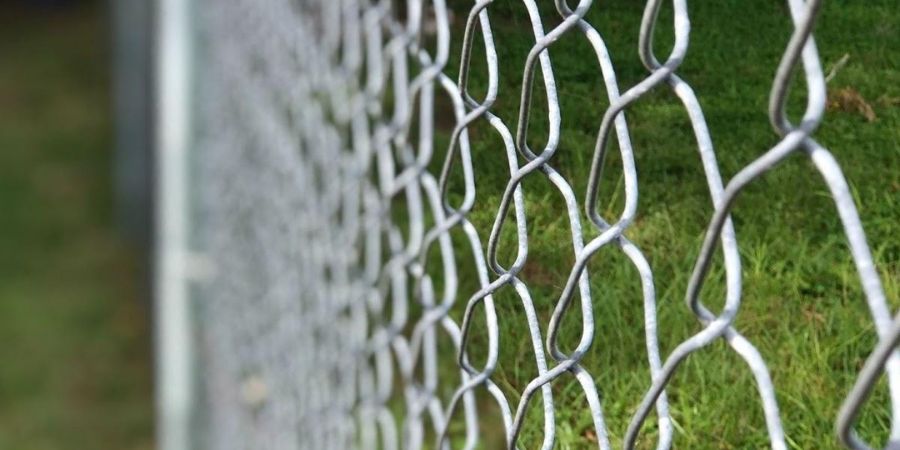
Chain-link fencing is one of the most practical fence options for homeowners across Washington. It’s affordable, durable, and works well for everything from pet safety to property boundaries. Still, installing one isn’t as simple as setting posts and stretching wire. Washington’s climate, local rules, and property conditions all play a role in how successful your fence will be.
Before you move forward, here’s what you should understand to avoid costly mistakes and long-term issues.
Why Chain-Link Fences Are Common in Washington
Chain-link fences remain popular because they offer a balance of function and value. In a state where rain, moisture, and seasonal changes are common, homeowners often choose fencing that can handle tough conditions without constant upkeep.
Some reasons homeowners prefer chain-link fencing include:
- Long lifespan with minimal maintenance
- Good visibility for security and supervision
- Cost-effective for large properties
- Flexible design options with coatings and privacy slats
That said, not every property is suited for the same setup.
Understanding Washington’s Climate Impact
Rain and Moisture Matter
Western Washington sees frequent rainfall, which can affect fence posts and metal components if not installed properly.
Key climate considerations include:
- Posts must be set deep enough to prevent shifting
- Proper drainage around post holes helps prevent rust
- Galvanized or vinyl-coated materials last longer in damp soil
Skipping these details can shorten the fence’s lifespan, even if the materials are high quality.
Local Rules and Permits You Should Check First
Before any digging starts, it’s important to understand local regulations. Fence rules vary by city and even by neighborhood.
In many parts of Washington, you’ll need to consider:
- Maximum fence height limits
- Setback rules from sidewalks or property lines
- Special requirements for corner lots
- HOA guidelines, if applicable
Some homeowners assume chain-link fences are always allowed, but that’s not always true. Consulting someone familiar with local regulations—such as a Seattle-area fencing professional—can help avoid permit issues or required rework later.
Property Lines and Neighbor Awareness
One of the most common fence problems comes from unclear property boundaries.
Before installation:
- Review your property survey
- Confirm boundary lines with markers
- Talk to neighbors if the fence runs close to shared lines
A small mistake in placement can lead to disputes or forced removal, even years later.
Choosing the Right Coating and Finish
Not all chain-link fences look the same. Modern options offer more flexibility than many homeowners expect.
Common Finish Options
- Galvanized steel for a classic, industrial look
- Black vinyl-coated fencing for better curb appeal
- Green coatings that blend into landscaping
Coated fencing also provides extra protection against corrosion, which is especially important in wet environments.
Fence Height and Safety Considerations
Fence height plays a big role in function and compliance.
Think about:
- Containing pets or keeping wildlife out
- Pool safety requirements
- Privacy versus visibility needs
Taller fences may require additional approvals, while shorter ones might not offer enough protection. A knowledgeable local fence installation contractor can help balance safety, rules, and usability.
Ground Conditions and Soil Type
Washington properties often have varying soil conditions, from compact clay to soft, wet ground.
Soil affects:
- Post depth requirements
- Concrete curing time
- Overall fence stability
In areas with softer soil, posts may need deeper footings or additional reinforcement to prevent leaning over time.
Maintenance Expectations Over Time
Chain-link fences are low-maintenance, but they aren’t maintenance-free.
To keep them in good shape:
- Inspect posts annually for rust or movement
- Check tension wires and ties after storms
- Clear vegetation that presses against the fence
Regular checks help extend the fence’s life and prevent small issues from becoming expensive repairs.
Privacy Options Without Losing Durability
If visibility is a concern, privacy doesn’t have to mean choosing a different fence type.
Options include:
- Vertical or diagonal privacy slats
- Wind screens for partial coverage
- Strategic landscaping along the fence line
These add privacy while keeping the strength and affordability of chain-link fencing.
Why Installation Quality Matters More Than Materials
Even the best materials can fail if installation is rushed or done incorrectly.
Professional installation helps ensure:
- Posts are aligned and properly anchored
- Gates open and close smoothly
- Fence tension remains consistent
- Drainage issues are addressed upfront
Homeowners often turn to an experienced fencing company in Seattle to avoid common mistakes that lead to sagging or premature wear.
Common Mistakes to Avoid
Before installing a chain-link fence, avoid these pitfalls:
- Ignoring local rules or permit requirements
- Choosing untreated materials for wet soil
- Setting posts too shallow
- Installing without confirming property lines
- Forgetting long-term maintenance needs
Most of these issues can be avoided with proper planning and local expertise.
Final Thoughts
Installing a chain-link fence in Washington can be a smart, long-lasting solution—but only if it’s planned correctly. Climate conditions, soil type, local regulations, and proper installation all play major roles in how well the fence performs over time.
By understanding these factors ahead of time and working with professionals who know local conditions, homeowners can enjoy a durable, compliant, and low-stress fencing solution that stands up to Washington’s unique environment.




