
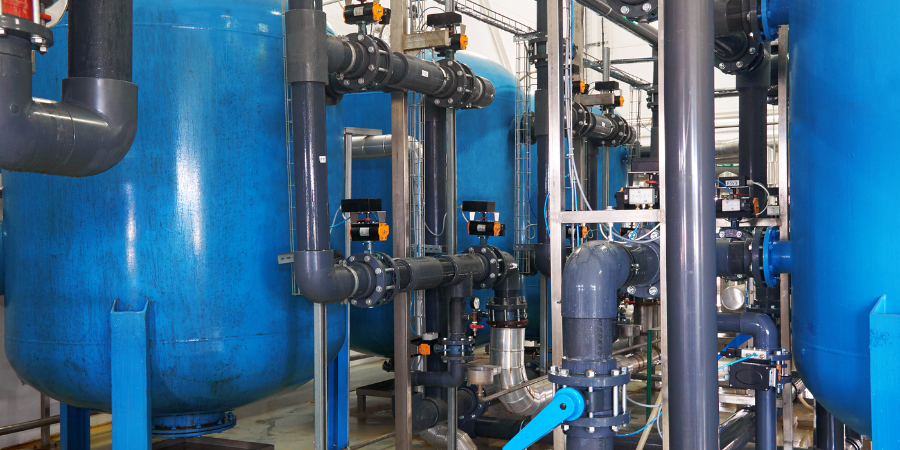
Commercial properties in Los Angeles rely on water softeners to control mineral buildup that affects pipes, fixtures, and equipment. A system that works properly helps maintain steady operations and prevents avoidable wear on expensive assets. Over time, performance can decline, making it necessary to decide whether repair or replacement is the better option. This decision depends on system condition, operating demands, and the consistency of past maintenance.
When a system begins to show minor faults, repair is sometimes the practical first step. Many businesses turn to commercial water softener repair in Los Angeles to correct specific issues without replacing the entire unit. Problems such as reduced softening efficiency or irregular regeneration cycles can sometimes be resolved with targeted servicing. Addressing these concerns early helps maintain output quality and prevents further strain on system components.
Signs That Indicate Repair Is The Right Choice
A repair approach works best when the system still operates within its intended capacity. Identifying correctable issues helps extend the life of the equipment without unnecessary replacement.
Common Repairable Issues
- Resin bed fouling that limits ion exchange performance
- Control valve wear is affecting regeneration timing
- Salt tank obstructions that disrupt brine production
- Minor leaks caused by worn seals or fittings
These problems usually develop gradually and can be fixed through proper servicing. Restoring these components sometimes returns the system to stable operation without affecting overall performance.
When Repairs Make Operational Sense
Repair is suitable when the unit is not excessively aged and has a consistent service history. Systems that respond well to maintenance typically regain efficiency after part replacements or recalibration. A technician can evaluate internal components and correct faults without interrupting daily operations. This approach keeps costs controlled while ensuring the system continues to meet demand.
When An Upgrade Becomes Necessary
There are situations where repair no longer provides dependable results. Systems that fail repeatedly or struggle to meet output requirements sometimes need replacement. Upgrading becomes a practical solution when performance limitations begin to affect business operations.
Indicators That Point Toward Replacement
- Repeated system failures that interrupt workflow
- Rising maintenance costs tied to frequent service visits
- Declining water quality despite ongoing repairs
- Outdated system design that cannot handle current usage levels
These indicators show that the system is no longer reliable enough for commercial use. Continuing to repair under these conditions may increase downtime and operational risks.
Benefits Of Upgrading A Commercial System
Installing a newer water softener improves consistency and supports long-term performance. Modern systems are built to handle higher demand with better control over regeneration cycles. This leads to more stable water quality and reduced strain on connected equipment. Improved efficiency also helps manage water and salt usage more effectively.
As ongoing service needs increase, reliance on commercial water softener repair in Los Angeles may no longer deliver consistent results. At that point, upgrading the system provides a more stable and predictable solution. A new unit supports operational reliability while reducing the need for repeated intervention.
Making The Right Decision For Your Facility
Choosing between repair and upgrade requires a careful review of system age, condition, and workload demands. A detailed inspection helps determine whether key components still function effectively or if limitations are affecting overall performance. The decision should focus on maintaining consistent water quality while avoiding unnecessary operational disruptions.
A clear evaluation allows businesses to act at the right time. Repair remains useful for manageable issues, while replacement becomes necessary when performance declines beyond recovery. This balanced approach supports long-term efficiency and reliable system operation across commercial settings in Los Angeles.