
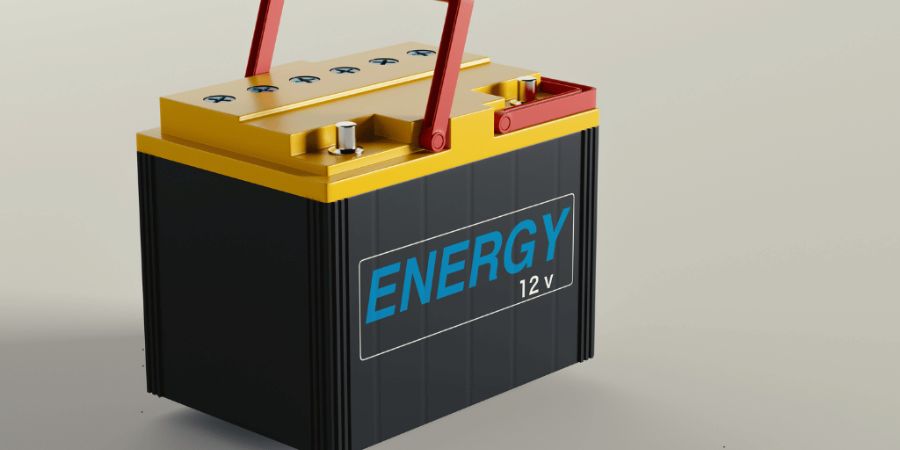
For decades, traditional batteries—especially lead-acid and lithium-ion—have been the backbone of energy storage. They powered everything from solar systems and backup power units to electric vehicles and industrial equipment. But as energy demands grow faster, systems cycle more frequently, and safety expectations rise, the limitations of conventional batteries are becoming harder to ignore.
Enter graphene super capacitor batteries—a new class of energy storage that is quietly reshaping how power is stored, delivered, and managed. They are not just an incremental upgrade. In many applications, they represent a fundamental shift away from chemical-based storage toward faster, safer, and longer-lasting solutions.
Here’s why graphene super capacitor batteries are increasingly replacing traditional energy storage technologies.
Traditional Batteries Are Hitting Their Limits
Conventional batteries store energy through chemical reactions. Every time they charge and discharge, those reactions slowly degrade the internal materials. Over time, this leads to reduced capacity, longer charging times, heat buildup, and eventual failure.
Lithium-ion batteries improved energy density, but they still come with trade-offs:
- Limited cycle life
- Performance loss at high or low temperatures
- Fire and thermal runaway risks
- Gradual capacity fade
- Complex battery management requirements
In applications like solar energy storage, telecom backup, industrial systems, or high-cycle environments, these drawbacks translate into frequent replacements, downtime, and higher long-term costs.
As systems demand faster charging, higher reliability, and longer service life, traditional batteries are being pushed beyond what they were designed to handle.
What Makes Graphene Super Capacitor Batteries Different
Graphene super capacitor batteries work on a completely different principle. Instead of relying on chemical reactions, they store energy electrostatically—by separating electrical charges across ultra-high-surface-area electrodes made with graphene-enhanced materials.
Graphene plays a key role here. Its atomic-level structure offers:
- Extremely high electrical conductivity
- Massive surface area for charge storage
- Exceptional mechanical strength
- High thermal stability
This combination allows super capacitors to store and release energy incredibly fast while remaining stable over millions of cycles.
The result is an energy storage system that behaves more like a power buffer than a consumable battery.
Ultra-Long Lifespan Is a Game Changer
One of the biggest reasons graphene super capacitor batteries are replacing traditional batteries is cycle life.
While lithium-ion batteries typically last a few thousand charge-discharge cycles, graphene super capacitor batteries can operate for hundreds of thousands to millions of cycles with minimal performance degradation.
In real-world terms, this means:
- Years or decades of use without replacement
- Predictable performance over time
- No sudden capacity drop-offs
For solar systems, grid support, industrial equipment, and commercial energy storage, this longevity dramatically reduces total cost of ownership.
Faster Charging Changes System Design
Traditional batteries require controlled charging to avoid damage, overheating, or reduced lifespan. Graphene super capacitor batteries, on the other hand, can charge in seconds or minutes rather than hours.
This capability unlocks new possibilities:
- Better capture of short solar generation peaks
- Faster recovery after power outages
- Improved efficiency in regenerative systems
- Reduced dependence on oversized battery banks
In many systems, energy no longer needs to be “stored slowly and used carefully.” It can be captured quickly and delivered instantly when needed.
Superior Safety and Thermal Stability
Safety has become a major concern in modern energy storage. Lithium battery fires, thermal runaway incidents, and complex cooling requirements have pushed manufacturers and regulators to look for safer alternatives.
Graphene super capacitor batteries offer inherent safety advantages:
- No flammable electrolytes
- No runaway chemical reactions
- Stable performance under high load
- Better tolerance to extreme temperatures
Because they generate far less heat and do not rely on volatile chemistry, they significantly reduce fire risk—making them ideal for indoor installations, urban infrastructure, and mission-critical systems.
Performance Doesn’t Degrade the Same Way
Traditional batteries slowly lose capacity as they age. Even if they still “work,” they deliver less usable energy year after year.
Graphene super capacitor batteries behave differently. Their performance remains highly consistent throughout their lifespan. Instead of gradual degradation, they maintain stable charge and discharge characteristics until the very end of service life.
This predictability simplifies system design, maintenance planning, and performance forecasting—especially in commercial and industrial environments.
Ideal for High-Cycle and High-Power Applications
Not all energy storage needs massive energy density. Many applications prioritize:
- High power output
- Rapid charge-discharge cycles
- Reliability over long periods
Graphene super capacitor batteries excel here. They are increasingly used in:
- Solar energy storage systems
- Grid stabilization and peak shaving
- Telecom backup power
- Industrial automation
- Transportation and regenerative braking systems
In these use cases, traditional batteries wear out quickly, while super capacitors thrive.
Lower Lifetime Cost Despite Higher Upfront Price
At first glance, graphene super capacitor batteries may appear more expensive than traditional batteries. But upfront cost tells only part of the story.
When you factor in:
- Longer lifespan
- Fewer replacements
- Minimal maintenance
- Reduced downtime
- Improved safety
…the lifetime cost often ends up being significantly lower.
This shift in economics is one of the strongest drivers behind their adoption, especially for commercial, industrial, and infrastructure-scale projects.
The Future of Energy Storage Is Hybrid—and Beyond
Graphene super capacitor batteries are not just replacing traditional batteries; they are also reshaping how energy systems are designed. Many modern systems now combine super capacitors with batteries, using each where they perform best.
But as graphene technology advances and energy density continues to improve, super capacitors are moving beyond support roles into primary energy storage applications.
Read the article: Home vs Public Charging: Making Smart Choices for Your EV
Final Thoughts
The transition away from traditional energy storage isn’t happening overnight—but it is happening steadily and decisively. Graphene super capacitor batteries address many of the fundamental weaknesses of conventional batteries while offering unmatched speed, safety, and longevity.
As energy systems demand more cycles, higher reliability, and smarter performance, it’s becoming clear why graphene super capacitor batteries are no longer just an alternative—they’re becoming the new standard.