
In the world of global markets and fluctuating commodity prices, finding a constant can feel like looking for a needle in a haystack. However, if we look closely at the backbone of our modern infrastructure, one material consistently stands out for its resilience and long-term value. Stainless steel has moved far beyond being a simple industrial staple to become a strategic asset for companies aiming for sustainability and efficiency. It is not just about the shiny surface that we see in high-end architecture – it is about the inherent chemical properties that allow this alloy to outperform cheaper alternatives in almost every measurable way. For business leaders and engineers alike, choosing this material is often a safe bet that pays off through reduced maintenance and incredible longevity.
We live in an era where the total cost of ownership has become the primary metric for success. It is no longer enough to look at the initial price tag on a purchase order. Savvy market players are looking at how a material will behave ten or twenty years down the line, especially in sectors where failure is not an option. This shift in mindset has propelled the demand for high-quality alloys to new heights, as industries from green energy to food processing realize that cutting corners on material quality is a recipe for disaster. It is quite a fascinating trend to watch, as the old-school “build and replace” model is being replaced by a more mature “invest and endure” philosophy.
The strategic importance of stainless steel pipes in global infrastructure
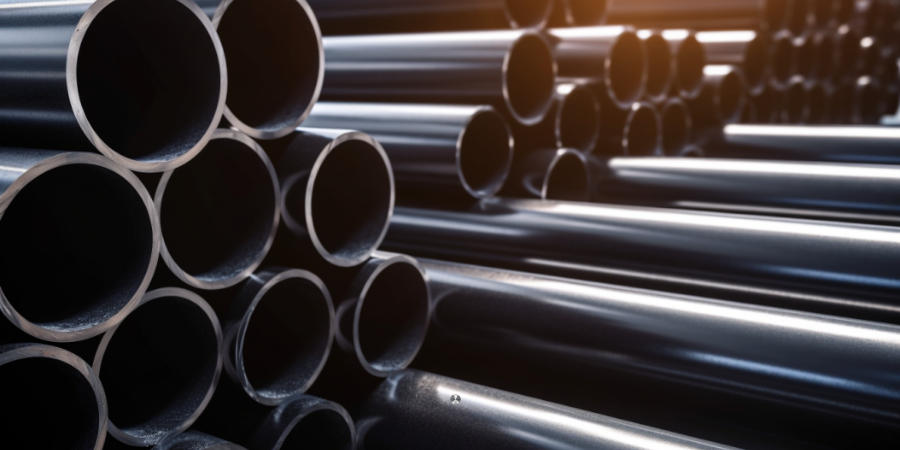
When we analyze the flow of resources in our global economy, we see that the demand for reliable transport systems is skyrocketing. Whether it is moving hydrogen in a new green energy plant or ensuring clean water reaches a growing urban population, the integrity of the conduits used is paramount. This is where stainless steel pipes come into play as a critical component of modern engineering. Specifically, the seamless variety offers a level of security that is hard to match, providing a uniform structure that can handle high pressures and corrosive environments without breaking a sweat. It is a bit like buying a premium insurance policy for your industrial facility – you pay a bit more upfront, but you sleep much better at night.
The market for these components is not just growing; it is evolving. We see a massive push towards higher grades of steel that can withstand even more aggressive conditions, such as those found in offshore wind farms or deep-sea mining operations. These pipes are effectively the arteries of our civilization, and their health determines the health of the entire system. For anyone looking to source these vital parts, platforms like en.stainlesseurope.com offer a glimpse into the vast array of specifications and standards that define modern steel production. It is a world of precision where even a tiny deviation in alloy composition can make a world of difference in the field.
Precision engineering with stainless steel bars and their market versatility
While pipes handle the movement of liquids and gases, the structural and mechanical side of the industry relies heavily on solid components. The demand for stainless steel bars is a great indicator of the health of the manufacturing sector. These bars are the raw material for countless high-precision parts, from the shafts in electric vehicle motors to the valves used in chemical processing. Their versatility is their greatest strength, allowing them to be machined into complex shapes while maintaining their structural integrity and resistance to wear. It is the kind of reliability that engineers love because it removes one more variable from their complicated equations.
Interestingly, the aesthetic appeal of round bars has also carved out a significant niche in the high-end construction and furniture markets. Architects are increasingly using them to create structures that feel light and airy but are actually incredibly strong. This crossover between pure industrial utility and modern design is a trend that shows no signs of slowing down. It reflects a broader cultural shift where we value things that are both functional and beautiful, proving that industrial materials can have a soul of their own. As we move towards more automated manufacturing, the consistency of these steel products becomes even more important, as machines require predictable materials to operate at peak efficiency.
Sustainability as a driver for future steel consumption
We cannot talk about the steel market today without mentioning the massive impact of ESG (Environmental, Social, and Governance) criteria. Stainless steel is a champion of the green movement because it is almost perfectly circular. At the end of its life, it does not become waste – it becomes the raw material for the next generation of products. This makes it an incredibly attractive option for companies that need to meet strict carbon footprint targets while still demanding top-tier performance. It is one of those rare cases where the most durable choice is also the most environmentally friendly one.
In the end, the story of this material is one of constant adaptation. It has survived economic downturns and technological revolutions, always emerging as a more refined and essential part of our world. Whether you are looking at it from a financial perspective or a technical one, the conclusion remains the same: quality is the only sustainable path forward. As we look towards 2026 and beyond, the role of stainless steel in shaping our global landscape will only become more prominent, serving as a solid foundation for the innovations that are yet to come. It is a quiet, reliable partner in our collective progress, shining through the challenges of a rapidly changing world.




