
Financial advisors handle multiple duties, which include reporting, communication and compliance, and planning activities. Strategic decision-making requires time, which is wasted through the execution of manual tasks. The implementation of automation serves as an effective solution that decreases repetitive work while establishing reliable operational standards.
Intelligent process management now operates through modern banking technology to streamline everyday business functions. Platforms like Finpace enable advisors to centralize automation, integrate data seamlessly, and optimize operational workflows within a unified infrastructure.
Advisors who understand which workflows should be automated gain efficiency benefits without decreasing their work quality. This guide explains essential automated processes that can save about ten hours weekly while strengthening professional efficiency.
1. Client Onboarding
Automation enhances the onboarding process because it decreases the need for paperwork and manual data entry, and multiple verification procedures. Advisory firms implement contemporary banking systems to streamline their onboarding processes, which provides a streamlined process through its automated system that simplifies account registration.
The Finpace AI-first banking software helps manage documentation, identity validation, and account configuration through guided workflows. Automated onboarding also integrates API-first banking architecture, allowing faster data exchange between systems.
Efficient onboarding improves client satisfaction while reducing operational delays. Advisors can focus on financial planning rather than administrative follow-up.
2. Reporting Tasks
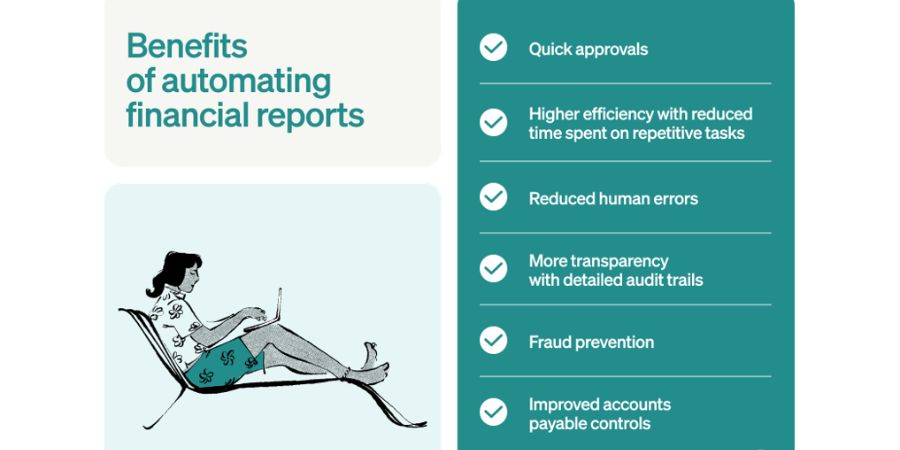
Routine reporting consumes significant time, especially when done manually. Automated reporting ensures accuracy while reducing repetitive effort. Automation tools simplify reporting workflows and reduce administrative pressure. Proper setup ensures reliable data processing and consistent output.
• Automated financial summaries generate structured insights without repetitive manual spreadsheet preparation effort
• Scheduled performance reports update client portfolios regularly while maintaining consistent documentation accuracy
• Intelligent alerts notify advisors about unusual financial patterns requiring immediate professional review
• Secure data synchronization prevents duplication errors while improving transparency across advisory management systems
3. Communication Flow
Client communication often requires frequent updates, reminders, and follow-ups. Manual messaging increases workload and risks missed interactions. Automation platforms help manage communication schedules efficiently. Banking systems built on Finpace AI-native core banking establish structured communication workflows that directly use account information.
The system sends automated notifications to clients, which deliver essential updates without needing human intervention to check updates. The system provides unified communication channels that help build trust between clients and advisors, while advisors can focus on their data analysis tasks.
4. Data Integration
Effective integration ensures smooth coordination between banking tools, analytics software, and advisory platforms. Automation reduces data transfer errors and improves operational continuity.
Integration frameworks improve system coordination and eliminate repetitive manual transfers. Proper configuration helps maintain reliable data consistency.
• Banking webhooks and event-driven integration enable instant system communication during financial activity updates
• Third-party integrations for core banking enhance functionality without requiring complex software redevelopment processes
• Prebuilt API integrations simplify adoption while improving compatibility with existing advisory operational platforms
• Modular components for adaptable system design allow flexible customization based on organizational operational requirements
5. Compliance Support
Compliance obligations demand constant documentation and monitoring. Manual tracking can increase the risk of oversight or delayed reporting. Automated compliance workflows reduce administrative burden while improving regulatory consistency.
Solutions such as Finpace AI banking core platform help monitor records automatically and maintain organized documentation. Automation ensures regulatory reporting occurs on schedule without extensive manual effort. Reliable compliance processes protect professional credibility and operational stability.
6. Scheduling Systems
Time management plays a major role in advisory productivity. Automated scheduling tools reduce coordination effort and prevent appointment conflicts. Scheduling automation improves organization and reduces unnecessary communication exchanges. Reliable calendar systems support consistent client engagement.
• Automated appointment reminders reduce missed meetings while maintaining efficient client communication consistency
• Smart calendar coordination aligns advisor availability with client preferences for smoother interaction scheduling
• Priority tagging helps identify urgent financial consultations requiring immediate professional attention and response
• Automated follow-up notifications maintain ongoing engagement without repetitive manual messaging effort
7. Financial Insights
The process of advanced analytics presents advisory teams with better decision-making tools through its ability to analyze structured data. The automation process transforms unprocessed financial information into usable business intelligence.
The Finpace AI-powered banking infrastructure enables ongoing data analysis together with future event prediction capabilities. The information enables advisors to detect emerging patterns ahead of time and to make preemptive changes to their upcoming plans. The Finpace banking orchestration layer improves coordination between different analytics modules and all operational systems.
Banks that use cloud or hybrid deployment for banks options gain the ability to expand their operations while maintaining control over their system resources. Better insights lead to stronger client relationships and improved financial outcomes.
8. Workflow Strategy
Source: ChatGPT
Effective automation requires careful planning rather than random adoption of tools. Advisors should evaluate workflow priorities, integration requirements, and scalability considerations. The Finpace intelligent core banking foundation supports structured automation planning with adaptable infrastructure design. Many firms prefer Finpace composable banking platform capabilities because they allow customization without complex system rebuilding.
Financial professionals use its solutions for their automation planning because its flexible architecture and reliable integration options enable them to create scalable automated systems. The organization needs to follow structured planning to achieve better productivity through automation because unplanned automation creates more complicated operational tasks
Smart Automation
Advisory professionals seeking efficiency should focus on strategic automation adoption rather than isolated technology use. Proper workflow design reduces administrative work while it boosts reporting accuracy and enhances client communication quality. Finpace provides integrated solutions that enable organizations to automate their complete onboarding process, together with their reporting and compliance and analytics, and scheduling operations.
Many institutions exploring AI-based banking infrastructure find it valuable because of its scalable architecture, integration flexibility, and operational consistency. The organization achieves long-term efficiency through careful execution, which builds strong client trust while driving productivity enhancements.
FAQs
How can automation save time for financial advisors?
Automation reduces repetitive administrative work, allowing advisors to focus on planning and client relationships.
Which workflows benefit most from automation?
Client onboarding, reporting, compliance tracking, communication management, and scheduling often show significant improvement.
Is integration difficult with banking systems?
Modern API based architecture and prebuilt connectors simplify integration for most advisory platforms.
Does automation improve compliance accuracy?
Yes, automated monitoring helps maintain consistent documentation and reduces reporting errors.
What should advisors consider before adopting automation?
Evaluate workflow priorities, system compatibility, scalability needs, and long-term operational efficiency goals.
Read Also: How Modern Board Management Systems Improve Governance and Decision-Making




