
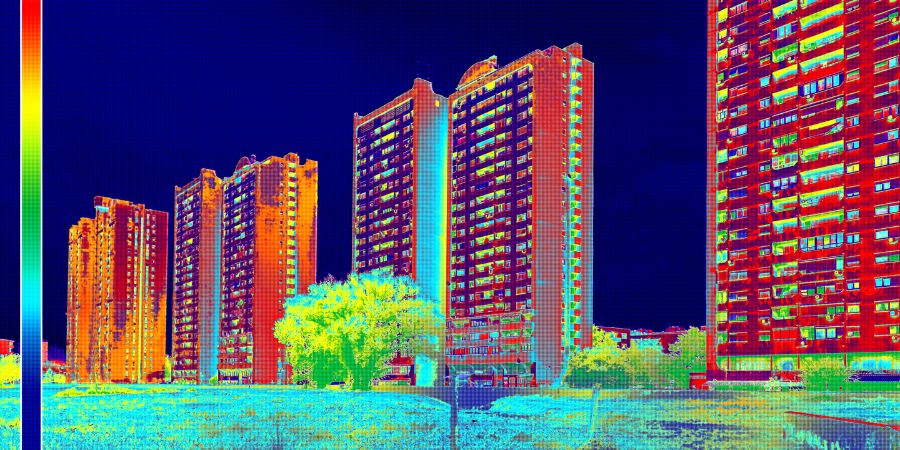
Increased energy prices have become a constant burden to the owners of commercial properties to the extent that many businesses seek long term solutions to stabilize their operations costs. A well-built thermal building envelope is one of the most favorable options to solve the issue as it minimizes the heat transfer and enhances energy performance throughout the year. A focus on insulation, airtight structures, and use of more advanced materials like insulated metal panels and insulated roof panels, by businesses can reduce their reliance on mechanical heating and cooling and provide a more stable internal environment. A robust thermal envelope not only conserves financial resources, but also allows a facility to be susceptible to change in the energy markets.
Energy Efficiency Overview
A building envelope serves as the thermal barrier, which separates the indoor and outdoor temperature in order to help a commercial space to be comfortable without the excessive consumption of mechanical energy. Poor insulation and unrestricted air leakage in most old buildings compel the heating-cooling systems to struggle against the continuous changes of temperature, and results in high monthly utility bills. As the businesses strengthen the envelope using high-performance materials, the building decreases the rate of heat loss during winter or heat infiltration during summer. This stability is directly transferred to the form of reduced energy usage and increased equipment life time.
Energy Cost Reduction
The reduction of energy use is one of the most direct benefits of enhancing the building envelope. Heat and air-conditioning is usually a significant portion of operation expenses and lowering the dependence on the systems enables companies to save regularly in the long-run. Strong thermal resistance materials capture conditioned air better, that is, HVAC systems are used with reduced frequency but with identical temperature settings. This strategy provides a business with a buffer whereby the uncertainty of the utility rates is evened across the annual operating budgets.
Material Benefits
Matters that are used in thermal building envelopes contribute significantly to the realization of these benefits. Insulated metal panels such as modern insulated panels provide good thermal performance besides providing long term durability, easy assembly and minimal maintenance needs. These are exterior wall panels that are typically made with continuous insulation cores that remove a vast majority of the openings that exist in conventional layers wall systems. They have the capability of reducing the thermal bridging, thereby leading to predictable energy performance during the year.
Roof Performance Enhancement
Another important aspect of thermal efficiency is its roof, and numerous business premises are particularly losing their energy in the form of poorly insulated roof structures. Businesses can make their buildings strong by installing insulated roof panels to one of the most exposed parts of the structure. The panels assist in keeping the interior temperatures constant even when there is a lot of heat or extreme cold which does not put much pressure on the rooftop mechanical systems. They are also designed to contain moisture which is critical in safeguarding long term structural integrity of a building.
Operational Stability
Companies that allocate more resources in thermal envelopes have a better command of their indoor environment which is operational in the shifting seasons. As long as the insulation is of good quality, there will be less hot and cold spots in the facilities, better airflow, and better humidity balance. The benefits of such improvements include employee comfort and productivity, decreased thermal stress on stored items and elimination of wear and tear induced by variable temperatures on delicate equipment. An ergonomic interior environment tends to result in minimal complaints, improved working environment, and decreased downtimes attributed to heating and cooling problems.
Environmental Impact
Extended sustainability objectives are also supported by a reinforced thermal envelope. Reduced energy consumption translates into minimal greenhouse gas emissions and this enables business to be in line with the environmental commitment and the expectations of the regulations. With the increasingly large number of organizations developing carbon reduction strategies, one of the most achievable, as well as the most dramatic, measures out there is building envelope improvement. Since other materials such as insulated metal panels and insulated roof panels are made in such a way that they last long, they also cut on the waste that will be incurred in the future since they do not require frequent repairs or replacements.
Long Term Business Value
Financial benefit of thermal envelope upgrades is long-term and is not dependent on energy savings only. Better performance may result in an elevation of the market value of a property, render the building more attractive to tenants, and prolong the mechanical systems. Companies which make such improvements gain a sense of predictable operating costs, more resiliency to severe weather, and less vulnerability to rise in maintenance expenses associated with damage caused by temperature changes. With the rising energy costs, the building envelope upgrade is no longer a discretionary upgrade but a strategic business decision.
Conclusion
Thermal building envelopes provide a viable and efficient barrier to increasing energy prices, which provides the businesses with a sure method of managing the costs as well as bettering the interior conditions. Through the usage of contemporary materials and strengthening walls and roofs through the use of better insulations, commercial properties will perform better and can be stable in the long term. The thermal envelope is one of the most significant investments that can be made by organizations that aim at achieving economic and operational gains.