
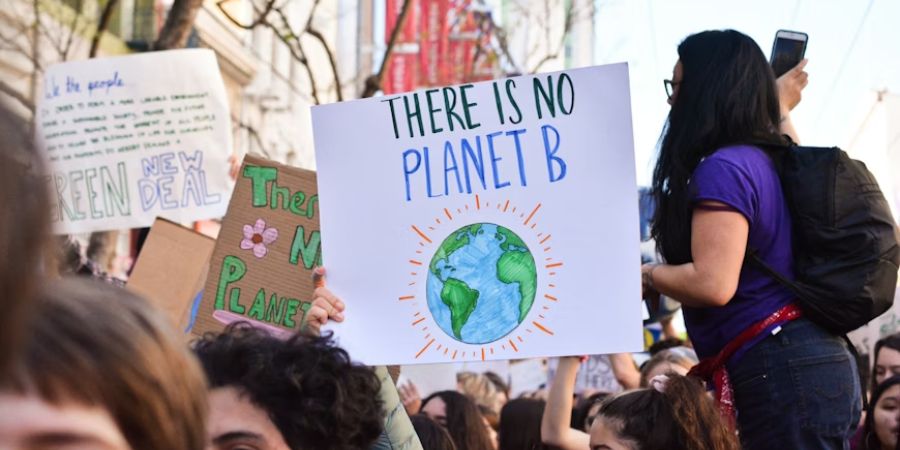
Not long ago, business school was all about the bottom line – growth, profit, and market domination. But that mindset is shifting fast. In classrooms from Berkeley to Berlin, a new kind of founder is emerging – one who puts sustainability at the center of business strategy.
Universities aren’t just producing entrepreneurs. They’re producing problem-solvers who care about long-term impact. These students aren’t launching startups just to disrupt industries – they’re asking how to protect the planet in the process.
And yes, balancing classes, research, and launching real-world projects can be overwhelming. That’s why tools like write my dissertation exist – not to shortcut learning, but to help students stay focused on the climate-positive ideas they’re passionate about bringing to life.
Why Business Education Is Going Green – And Fast
The urgency of the climate crisis has reached higher education. With governments setting emissions targets and investors demanding ESG accountability, tomorrow’s business leaders need more than financial fluency – they need ethical grounding.
Forward-thinking universities are already embedding sustainability into core curricula. It’s no longer an optional add-on. From supply chain ethics to green finance and carbon accounting, these subjects are becoming mandatory for anyone serious about launching a business in the 2020s.
Why? Because businesses that ignore sustainability now risk becoming irrelevant – or worse, harmful. Students are seeing this and adjusting their goals accordingly.
Building Companies With a Conscience
One of the most exciting trends in business schools today is the rise of the climate-smart startup. These aren’t just side projects – they’re venture-backed, high-growth companies built by students who are still in school.
Many top programs now offer dedicated support through climate innovation labs, sustainability accelerators, and green tech competitions. At places like MIT, Stanford, and IE Business School, students pitch ideas focused on food systems, clean energy, or circular packaging – and they’re securing funding before graduation.
What sets these student founders apart? Their willingness to ask big questions early:
- What impact does my product have over its entire lifecycle?
- Can I design this service to reduce waste or energy use?
- How does my supply chain treat workers and the planet?
These are business questions – but they’re also moral ones.
Turning Research Into Impact
Dissertation work plays a surprising role in this transformation. Unlike exams or group presentations, dissertations allow students to dive deep into real-world challenges and propose original solutions.
A student researching carbon-neutral logistics, for instance, isn’t just fulfilling a requirement – they may be laying the foundation for a startup. Likewise, a paper on sustainable microfinance models might inform the strategy of a future fintech company.
Of course, writing a solid dissertation on complex topics like sustainable finance or ecological entrepreneurship is no small task. For many grad students, the structure and stress can get in the way of the idea itself.
That’s where dissertation writing help becomes valuable – not as a way to skip the work, but as a way to do it better. Editing support, citation formatting, and outline guidance can give students more space to focus on substance.
Professors Are Driving the Shift
No sustainability revolution happens without educators behind it. Professors and advisors are essential in helping students connect academic ideas with real‑world urgency.
Many now assign climate-focused case studies, facilitate introductions to green investors, or encourage cross-disciplinary collaboration between business and environmental science departments. This kind of mentorship shifts the culture from “How do I win?” to “What kind of leader do I want to be?”
When students are surrounded by faculty who care deeply about global impact, that mindset becomes the norm – not the exception.
How Higher Ed Programs Are Rethinking Business Models
It’s not just that sustainability is being taught – it’s how it’s being framed. Programs are encouraging students to see environmental responsibility as a competitive edge, not a financial burden.
This includes:
- Teaching life cycle analysis and carbon footprinting as part of business planning
- Offering dual-degree programs in business and environmental science
- Prioritizing diversity, ethics, and equity in startup leadership training
Students leave understanding that how to write a dissertation on regenerative economics, for example, isn’t just academic. It’s a way to shape what future businesses look like – who they serve, and how they operate.
The Power of Student-Run Startups
Sustainability-minded student ventures aren’t just classroom exercises. Many become real companies with measurable impact.
Some recent examples:
- A compostable textile startup developed in a campus innovation lab
- A solar-powered refrigeration business launched by grad students for remote communities
- A refillable beauty product brand focused on zero-waste design, started as a capstone project
What these founders have in common is vision – and a school environment that gave them room to test, fail, and refine that vision.
They also often rely on time-saving support systems to stay afloat academically. For example, using a custom dissertation writing service allows them to meet deadlines while building companies that matter. Academic support doesn’t replace learning – it makes space for it.
Why the Planet Needs Climate-Smart Founders
The stakes are high. As the planet faces heatwaves, rising sea levels, and biodiversity loss, every decision made by the next generation of founders will ripple outward.
Businesses affect everything from how energy is used to how people are paid and treated. When sustainability is part of a student’s business education, they’re more likely to build systems that heal rather than harm.
And let’s be real – the economy is changing. Investors are backing green tech. Consumers want eco‑accountability. Governments are introducing regulations. Sustainability isn’t a niche anymore – it’s the playing field.
What Students Can Do Now
If you’re a student in business, now’s the time to choose your path with intention. Whether you’re designing a new product or researching a global trend, ask yourself:
- Who does this benefit?
- What does it cost – environmentally and socially?
- Could I solve this problem in a smarter, greener way?
And when the research feels too heavy, or deadlines pile up, it’s okay to seek guidance. Academic tools like an essay writing service exist to help you stay on track without losing sight of the bigger mission.
Academic mentor Annie Lambert often reminds students that real leadership isn’t about doing everything alone – it’s about knowing when to ask for help so you can focus your energy where it counts.
Final Thought
Today’s students are tomorrow’s CEOs, policy advisors, and inventors. When business education centers sustainability, the ripple effects are massive.
If universities continue to equip founders with both entrepreneurial skill and climate consciousness, we’ll see a future shaped by smarter startups – ones that grow not despite the planet’s needs, but because they’re built with those needs in mind.
And that’s the kind of leadership the world needs now!




