
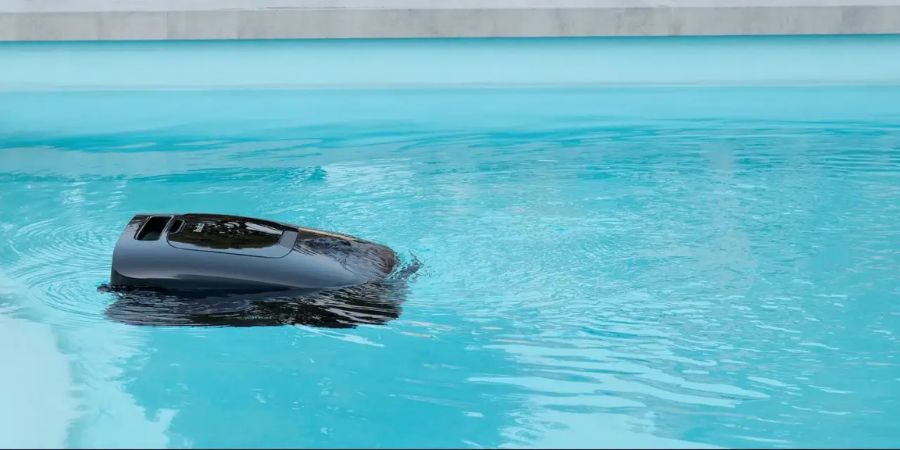
A clean pool and a consistent pool are not the same thing.
Most homeowners assume that if the water looks clear, the job is done. But in reality, what keeps a pool usable isn’t how it looks at one moment—it’s how stable it remains over time.
That difference is where most maintenance routines begin to fall apart.
Two Ways Pools Are Maintained — And Why They Feel Different
There are generally two ways people maintain a pool.
One is based on timing. The other is based on continuity.
Manual Cleaning
- Time-based
- Focused on visible areas
- Reactive
Robot Pool Vacuum Systems
- Continuous
- Full-coverage
- Preventative
At first, both approaches can produce similar results.
Over time, they behave very differently.
Why Manual Pool Cleaning Always Falls Slightly Behind
Manual cleaning depends on when you decide to act.
But pools don’t change on a schedule.
Debris settles unevenly. Wind shifts particles into certain areas. Usage changes how water moves and where buildup forms.
Because debris doesn’t accumulate evenly, cleaning based on timing rather than distribution often leads to inconsistent results.
Some areas get cleaned repeatedly. Others are missed until they become noticeable.
That’s why manual routines tend to feel like they’re always catching up.
Why “Looks Clean” Doesn’t Mean the Pool Is Stable
Visual clarity is often misleading.
A pool can appear clean while still developing uneven buildup beneath the surface.
Steps, corners, and slopes affect how debris collects. Water flow patterns push particles into areas that aren’t immediately visible. What looks balanced from one angle may not be consistent across the entire structure.
This is especially true in outdoor environments where wind, dust, and organic matter continuously shift conditions.
The result is a pool that looks fine—but doesn’t stay that way for long.
When a Robot Pool Vacuum Actually Becomes Necessary
Not every pool requires a fully automated system.
In smaller setups, or in environments with minimal debris, manual cleaning can remain effective for a period of time. If conditions are stable and usage is low, the traditional approach may feel sufficient.
The difference becomes noticeable when those conditions change.
Higher usage, unpredictable debris, or more complex pool structures introduce variability that manual routines struggle to handle consistently.
That’s when a robot pool vacuum starts to make practical sense—not as an upgrade, but as a way to manage that variability.
Why Inground Pool Layouts Amplify the Difference
The distinction becomes clearer in inground pools.
These pools are rarely uniform. They include steps, varying depths, slopes, and corners where debris naturally collects. Maintaining even coverage across these areas is difficult with manual methods alone.
This is where an inground pool vacuum becomes more relevant.
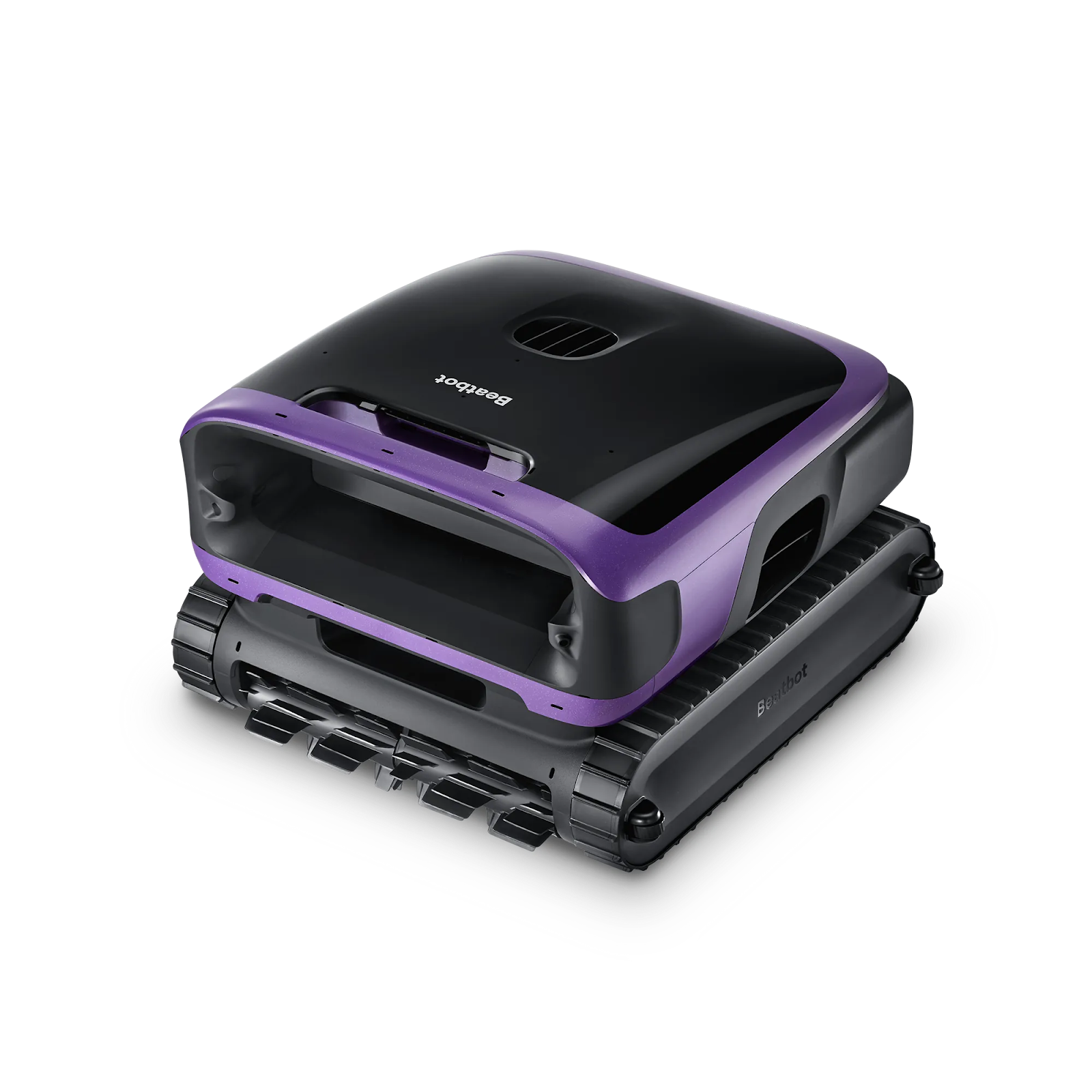
In real-world applications, systems like the Beatbot Sora 70 are designed to handle these variations across different pool structures. Instead of focusing only on visible areas, they maintain consistency across the entire layout.
That’s what reduces the need for repeated correction.
What Changes When Maintenance Becomes Continuous Instead of Occasional
The shift isn’t about cleaning more often.
It’s about removing the gaps between cleanings.
When maintenance happens continuously, debris doesn’t have time to accumulate unevenly. Surfaces stay consistent. Water conditions stabilize.
Instead of resetting the pool periodically, the system maintains it in real time.
Systems like the Beatbot AquaSense 2 Ultra illustrate how a robot pool vacuum can operate as a continuous layer rather than a tool used occasionally.
That change—from interval-based to continuous—is what alters the outcome.
How This Changes the Way You Use the Pool
The impact isn’t just technical.
It’s behavioral.
You stop checking the water before using it. You stop planning cleaning into your schedule. You stop delaying use because something might need attention.
The pool becomes immediately usable.
Not because it’s perfect at one moment—but because it stays consistent over time.
That’s what changes the experience.
Conclusion
The real difference isn’t how a pool is cleaned.
It’s how often it needs to be corrected.
And for many homeowners, that’s the point where the decision becomes clear.




