
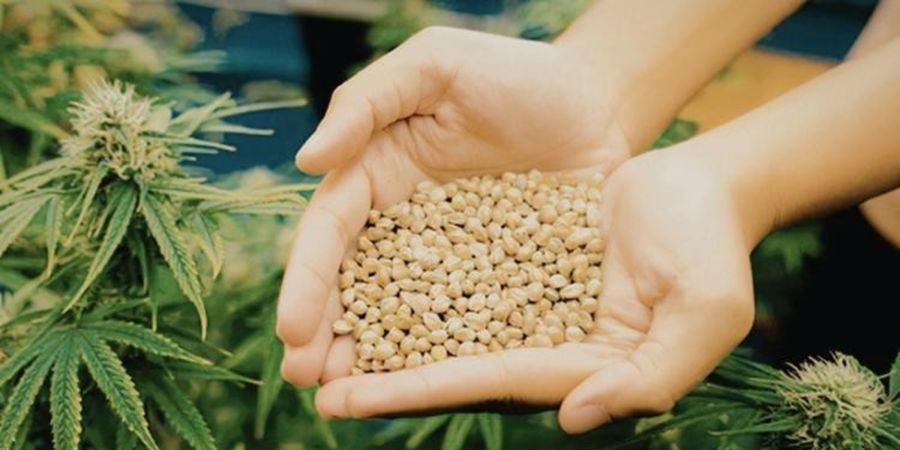
Growing cannabis successfully starts long before planting. The foundation lies in choosing the right seeds for your specific environment.
Whether you’re working with a small indoor setup, a backyard garden, or a greenhouse, your seed selection plays a major role in how your plants develop, how much they yield, and how easy they are to maintain.
This guide breaks down the key factors to consider when selecting cannabis seeds, helping you match the right genetics to your growing conditions for better results and fewer setbacks.
Basics of Cannabis Seed Types
Before diving into environmental factors, it’s important to understand the main types of cannabis seeds available. Each type behaves differently, and choosing the wrong one for your setup can create unnecessary challenges.
Regular Seeds
Regular seeds produce both male and female plants. While they offer genetic diversity, they require growers to identify and remove male plants early to prevent pollination.
Feminized Seeds
Feminized seeds are bred to produce only female plants. This simplifies the growing process, especially for beginners, since female plants are responsible for producing usable flowers.
Autoflowering Seeds
Autoflowering seeds switch from the vegetative stage to flowering automatically, regardless of light cycles. They tend to grow faster and remain compact, making them suitable for smaller spaces.
Understanding these categories helps narrow down your options before considering environmental conditions.
Matching Seeds to Indoor Growing Conditions
Indoor growing gives you full control over light, temperature, and humidity. However, it also limits space, which means your seed choice should reflect those constraints.
Key Considerations for Indoor Growers
- Plant Height: Compact strains are easier to manage in limited vertical space
- Growth Speed: Faster-growing plants reduce energy costs
- Light Sensitivity: Some strains respond better to artificial lighting setups
Indica-dominant strains and autoflowering varieties are often preferred indoors because they stay shorter and are easier to control. These plants typically require less pruning and adapt well to controlled environments.
Another important factor is odor management. Some strains produce strong aromas that can be difficult to contain indoors, so choosing a less pungent variety may be beneficial depending on your setup.
Choosing Seeds for Outdoor Cultivation
Outdoor growing introduces a completely different set of variables. Instead of controlling the environment, you’re working with natural conditions such as sunlight, rainfall, and seasonal changes.
The success of outdoor cultivation depends heavily on your local climate:
- Warm, Sunny Regions: Sativa-dominant strains tend to thrive in long growing seasons
- Cooler Climates: Indica strains are more resilient and have shorter flowering periods
- Humid Areas: Mold-resistant strains are essential to prevent crop loss
Timing is also critical. Outdoor growers need to align planting schedules with seasonal changes to ensure plants reach maturity before temperatures drop.
The Role of Genetics and Seed Quality
No matter the environment, seed quality is one of the most important factors in determining success. Strong genetics lead to healthier plants, better resistance to pests, and more consistent growth patterns.
Reliable seed sources provide detailed information about each strain, including expected height and yield, flowering time, climate suitability, and resistance to common issues.
Growers looking to match specific strains to their environment can find curated selections helpful. Exploring options through https://www.growerschoiceseeds.us/ offers insight into different strain characteristics and how they perform under various conditions.
Growers Choice Seeds typically categorizes its offerings to make it easier to align your choice with your growing setup.
Greenhouse Growing: Finding the Middle Ground
Greenhouses offer a hybrid approach, combining elements of indoor and outdoor growing. They provide protection from extreme weather while still utilizing natural sunlight.
This setup allows growers to experiment with a wider range of strains. However, ventilation and humidity control remain important factors. Poor airflow can lead to mold or pest issues, especially in enclosed spaces.
When selecting seeds for greenhouse cultivation, look for varieties that can handle fluctuating temperatures while still benefiting from consistent light exposure.
Understanding Strain Characteristics and Their Impact
Beyond basic categories, each strain has unique traits that influence how it grows. Paying attention to these characteristics can help you make more informed decisions.
Growth Structure
Some plants grow tall and slender, while others remain short and bushy. This directly impacts how well they fit into your space.
Flowering Time
Shorter flowering periods are ideal for regions with limited growing seasons. Longer cycles may be better suited for controlled environments.
Yield Potential
While high-yield strains can be appealing, they often require more maintenance and optimal conditions. Beginners may benefit from starting with moderate-yield varieties that are easier to manage.
Resistance to Pests and Disease
Certain strains are naturally more resilient. This is especially important for outdoor and greenhouse growers who have less control over environmental factors.
Growers Choice Seeds highlights many of these characteristics, helping growers compare options based on practical needs rather than guesswork.
Common Mistakes When Choosing Cannabis Seeds
Even experienced growers can make mistakes when selecting seeds. Avoiding these common pitfalls can save time and resources.
- Ignoring Environmental Limitations: Choosing a strain that doesn’t suit your climate or space often leads to poor results.
- Prioritizing Yield Over Practicality: High-yield strains may require advanced techniques and optimal conditions, making them challenging for beginners.
- Overlooking Growth Time: Selecting a strain with a long flowering period in a short growing season can result in incomplete harvests.
- Not Researching Seed Sources: Low-quality seeds can lead to inconsistent growth, weak plants, or unexpected results.
Taking the time to evaluate your environment and match it with the right genetics is a more reliable approach than selecting seeds based on popularity alone.
Conclusion
Choosing the right cannabis seeds is a critical step that shapes the entire growing process. By understanding the differences between seed types, evaluating your environment, and paying attention to strain characteristics, you can create conditions that support healthy, productive plants.
Whether you’re growing indoors, outdoors, or in a greenhouse, the key is to align your seed selection with your specific setup. Thoughtful planning at the start reduces complications later and increases your chances of a successful harvest.




