
In late April, an interesting debate was happening on X, following a viral post about an Iowa couple who won a progressive jackpot – thought to be in excess of $10 million – a few weeks earlier at the Mandalay Bay Casino, Las Vegas. The debate originated from a post by a Las Vegas-centered new account, which claimed the couple did not – but should have – left a tip.
Follow-up: informed older couple from Iowa tipped zero for a $10 million jackpot, not even the $4 left on the machine after the jackpot. Cashed it out and took it with them. Do better, humans. https://t.co/zfCHaei9M1
— Vital Vegas (@VitalVegas) April 27, 2026
The post caused a bit of a furor on X, trending on the day and being highlighted as a topic of discussion. The most common question asked was, to whom would you leave a tip? The slot machine? The casino itself? You wouldn’t rush to tip an operator after winning on an online slot game, so why would you do so after playing a physical slot machine?
The question of tipping getting out of control
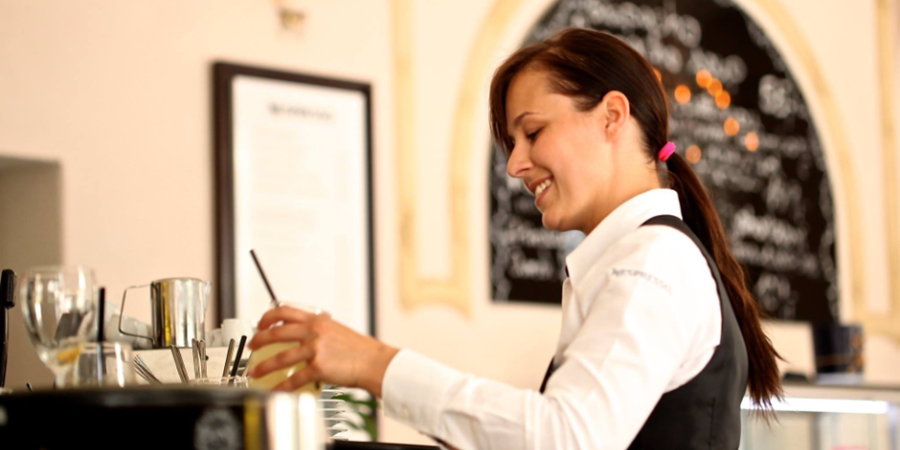
Of course, the debate was a little bit more nuanced than that. Arguably, the original poster was hinting that a tip could have been left for the serving staff at the casino. Yet, there is no real way of knowing to what level of attention the couple received – not everyone shovels down complimentary drinks in Vegas.
Regardless, the incident once again sparked a wider debate about tipping culture in the United States. People have remarked that there has basically been an evolution from “tipping for good service” to an expectation of tipping for just about everything.
An oft-quoted example of this evolution is the “spinning iPad” process. What that means is you, say, walk into a coffee store, grab a bottle of water from the fridge and head to the counter to pay, then the server spins the iPad, which confronts you with a 20% suggested tip. Perhaps the server had grabbed a straw or glass of ice, but you get the idea: it’s not quite extraordinary service. People have remarked that they don’t like to pay, but they do so out of embarrassment.
Servers need tips to make ends meet
The main riposte coming from those working in hospitality is that tipping is part of their salary. In fact, for all intents and purposes, it is their salary. Most Americans believe that’s okay under certain conditions – Donald Trump made “no tax on tips” a big part of his presidential campaign – but the argument against is becoming more vociferous.
The primary concern comes down to this idea that tipping is expected in every situation, and it has become all the more preposterous in an era of automation. In many service situations, we no longer interact with the serving staff beyond being handed a cup to get a drink that we fill up ourselves from a machine. There’s also the question of why customers are now expected to fulfill the role of salary providers. Yes, it has always been the case that serving staff in the food and drink sectors have had low base wages, supplemented by tips, but it feels, for want of a better term, that we have passed the tipping point.
As a base case, it seems that most Americans feel that close interaction with an employee – table service, car valet, taxi ride, etc. – warrants a tip, though the size and overall generosity should be based on going the extra mile. But there is growing opposition to the “iPad spinners,” and this idea that you, the customer, are responsible for employees’ salaries. It’s all the more apparent during a time when the cost of living is tough for everyone.




