
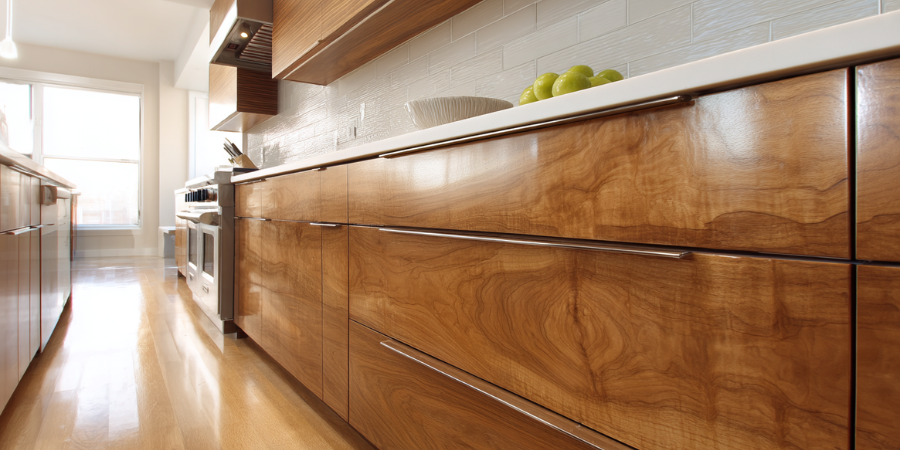
Building kitchen cabinets is one of the most impactful ways to customize a kitchen while improving storage, functionality, and overall home value. In 2026, more homeowners are choosing to build or customize their own cabinets instead of relying entirely on stock options, largely because modern kitchens now prioritize smarter storage, cleaner layouts, and long-term durability.
While building kitchen cabinets requires planning and precision, the process is far more achievable than many people expect. With the right materials, layout strategy, and finishing techniques, homeowners can create cabinets that look polished, function efficiently, and hold up well under daily use.
This guide covers the essential steps involved in building kitchen cabinets, along with practical tips on design planning, material selection, and cabinet finishing.
Planning Your Kitchen Cabinets Before You Start
Before cutting wood or buying materials, it is important to create a clear plan for how the cabinets will function within the kitchen.
Poor planning is one of the biggest reasons cabinet projects become frustrating or unnecessarily expensive.
Measure Your Kitchen Space Carefully
Accurate measurements are critical when building cabinets. Even minor errors can create alignment problems, uneven spacing, or installation issues later.
Measure:
- Wall dimensions
- Ceiling height
- Appliance clearances
- Window placement
- Walkway spacing
- Plumbing and electrical locations
It is also important to account for cabinet door swing clearance and drawer extension space, especially in smaller kitchens.
Choose the Right Cabinet Layout
Cabinet layout affects both workflow and storage efficiency.
Common cabinet configurations include:
- Base cabinets
- Wall-mounted cabinets
- Tall pantry cabinets
- Island storage systems
- Corner cabinet solutions
The layout should support how the kitchen is actually used on a daily basis. A visually attractive kitchen may still feel frustrating if storage zones and prep areas are poorly planned.
Decide on a Cabinet Style
Cabinet style has a major influence on the overall appearance of the kitchen.
Popular cabinet styles in 2026 include:
- Shaker cabinets
- Flat-panel cabinets
- Frameless European-style cabinets
- Warm wood finishes
- Minimalist matte cabinetry
Homeowners researching layouts, storage ideas, and modern Kitchen Cabinets often compare different cabinet configurations before finalizing a kitchen design plan.
Choosing a consistent cabinet style early helps simplify decisions related to hardware, paint colors, countertops, and backsplash materials later in the process.
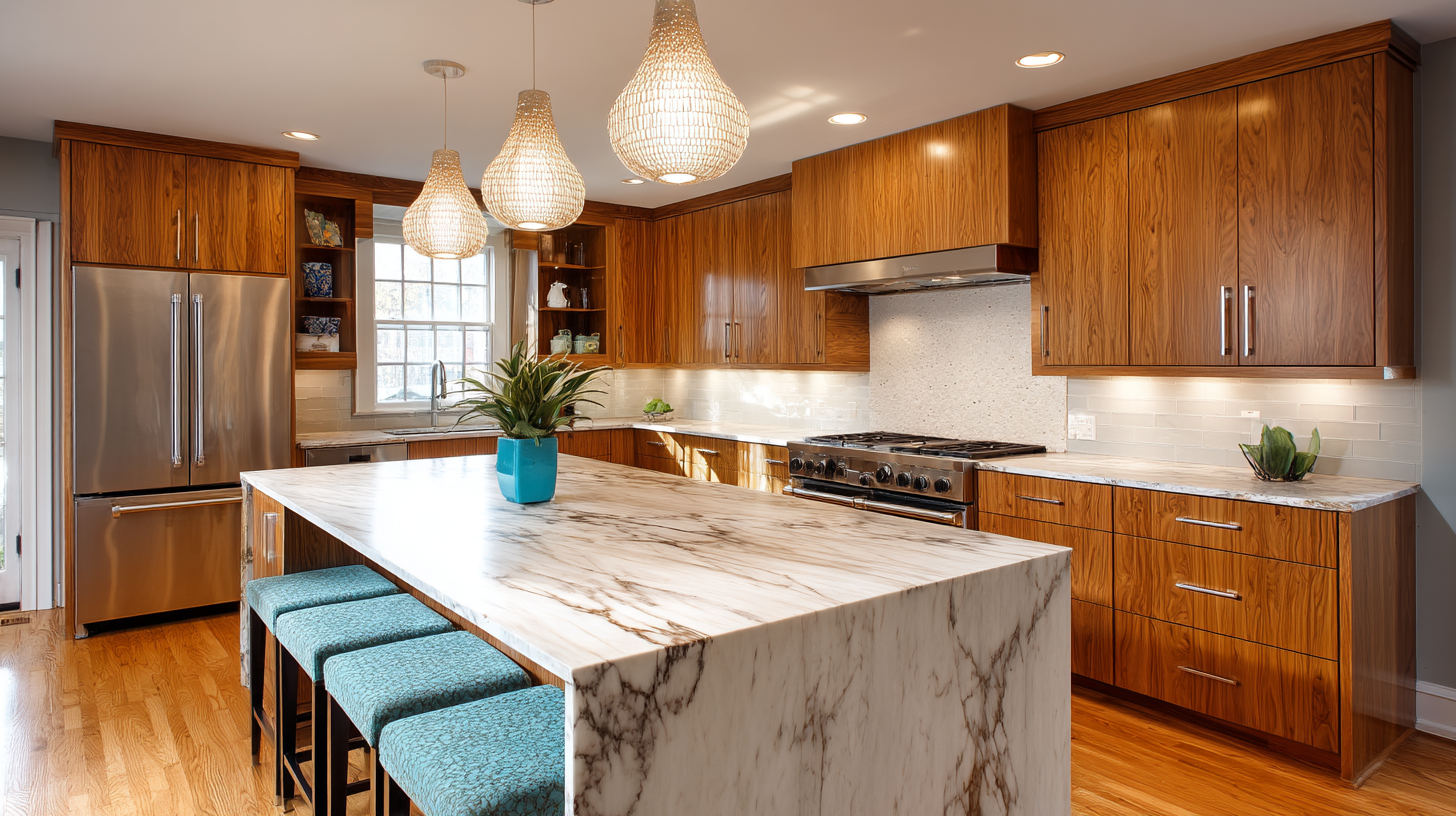
Choosing the Best Materials for Kitchen Cabinets
The materials used in cabinet construction directly affect durability, moisture resistance, and long-term appearance.
Plywood vs MDF vs Solid Wood
Plywood remains one of the most reliable cabinet materials because it offers strength, stability, and better moisture resistance than many alternatives.
MDF creates an extremely smooth painted finish, making it popular for cabinet doors and decorative panels. However, it is generally less moisture-resistant than plywood.
Solid wood offers premium durability and appearance but typically comes with a higher price point and may expand or contract slightly over time depending on humidity conditions.
Each material has advantages depending on:
- Budget
- Cabinet style
- Kitchen humidity levels
- Desired finish
- Long-term durability goals
Selecting the Right Hardware
Cabinet hardware affects both function and overall user experience.
Popular hardware upgrades include:
- Soft-close hinges
- Full-extension drawer slides
- Hidden pull-out organizers
- Integrated handle systems
High-quality hardware improves cabinet longevity while helping the kitchen feel more refined and functional.
Why Material Quality Matters
Kitchen cabinets experience constant daily wear from moisture, grease, heat, and repeated opening and closing.
Lower-quality materials may initially save money, but they often lead to:
- Sagging shelves
- Swollen panels
- Loose hinges
- Peeling finishes
- Structural instability
Investing in durable materials early usually reduces maintenance and replacement costs later.
Tools You Need to Build Kitchen Cabinets
You do not necessarily need a professional workshop to build kitchen cabinets, but having the right tools greatly improves accuracy and efficiency.
Essential Cabinet Building Tools
Most cabinet projects require:
- Circular saw
- Drill and driver
- Clamps
- Measuring tape
- Level
- Sander
- Stud finder
A level surface and accurate measuring tools are especially important during assembly and installation.
Helpful Tools for Better Precision
More advanced tools can make cabinet building significantly easier:
- Table saw
- Pocket hole jig
- Laser level
- Cabinet hardware jig
- Miter saw
These tools help create cleaner cuts, tighter joints, and more professional-looking results.
Step-by-Step Process for Building Kitchen Cabinets
Once planning and materials are finalized, the actual cabinet construction process can begin.
Step 1: Create a Detailed Cabinet Plan
Begin by sketching cabinet dimensions and determining:
- Shelf spacing
- Drawer placement
- Door sizes
- Appliance clearances
- Countertop dimensions
Careful planning reduces material waste and prevents mistakes during assembly.
Step 2: Cut and Assemble the Cabinet Boxes
Cabinet boxes form the structural foundation of the kitchen.
Cut all panels carefully and verify measurements before assembly. Cabinet boxes should be square, level, and properly reinforced to support countertops and daily use.
Pocket hole joinery, wood glue, and screws are commonly used to create strong cabinet frames.
Step 3: Install Shelving and Storage Components
Modern kitchens prioritize organization and storage efficiency.
Popular storage features include:
- Deep drawers
- Pull-out pantry systems
- Adjustable shelving
- Corner organizers
- Hidden trash storage
Planning storage around actual kitchen habits makes cabinets significantly more functional long term.
Step 4: Attach Doors and Hardware
Cabinet door alignment requires patience and precision.
Uneven gaps or crooked hinges can immediately make cabinets feel poorly built, even if the overall structure is solid.
Soft-close systems remain highly popular because they improve durability while creating a smoother user experience.
Step 5: Sand, Prime, and Finish the Cabinets
Finishing plays a major role in both cabinet appearance and durability.
Before painting or staining:
- Sand surfaces thoroughly
- Remove dust completely
- Apply high-quality primer
- Use moisture-resistant finishes
Many homeowners also explore professional Residential Painting services when finishing kitchen cabinets, especially when aiming for smooth, durable painted surfaces that hold up well in high-use kitchens.
Proper finishing helps protect cabinets from moisture, stains, grease, and long-term wear.
Common Mistakes to Avoid When Building Kitchen Cabinets
Even experienced DIYers can run into problems during cabinet projects.
Incorrect Measurements
Measurement mistakes can quickly affect the entire kitchen layout. A cabinet that is slightly off may create installation problems throughout the room.
Always double-check measurements before cutting materials.
Using Low-Quality Materials
Cheap materials may initially reduce costs but often create durability problems over time.
Cabinets should be built to withstand years of regular use, particularly in busy households.
Poor Layout Planning
A poorly planned kitchen layout can make storage difficult and workflow inefficient.
Think carefully about:
- Cooking zones
- Appliance placement
- Traffic flow
- Storage accessibility
Functionality matters just as much as appearance.
Skipping Proper Surface Preparation
Rushed finishing work often leads to:
- Uneven paint
- Peeling finishes
- Poor adhesion
- Visible imperfections
Surface preparation is one of the most important parts of achieving professional-looking cabinets.
Modern Kitchen Cabinet Trends in 2026
Kitchen cabinet design continues shifting toward simplicity, functionality, and warmer finishes.
Warm Natural Finishes
Bright white kitchens are slowly giving way to:
- Natural oak finishes
- Soft earth tones
- Matte textures
- Organic wood grain patterns
These finishes help kitchens feel warmer and more inviting.
Hidden Storage Solutions
Storage innovation remains one of the biggest trends in modern kitchens.
Popular features include:
- Appliance garages
- Pull-out spice systems
- Deep drawer organizers
- Concealed charging stations
These solutions help kitchens stay organized without sacrificing aesthetics.
Minimalist Cabinet Design
Minimalist kitchens continue growing in popularity due to their clean appearance and timeless appeal.
Common minimalist features include:
- Frameless cabinetry
- Handle-free doors
- Flat-panel designs
- Integrated hardware
These design choices create a cleaner, less cluttered visual appearance.
Should You DIY Kitchen Cabinets or Hire a Professional?
DIY cabinet building can be highly rewarding for homeowners who enjoy hands-on projects and want more control over customization.
DIY projects often make sense for:
- Smaller kitchens
- Basic cabinet layouts
- Budget-conscious renovations
- Homeowners with woodworking experience
However, professional assistance may be worthwhile for:
- Large kitchens
- Luxury finishes
- Complex layouts
- Structural modifications
- Custom storage systems
The best choice depends on the complexity of the kitchen, available time, budget, and skill level.
Final Thoughts
Learning how to build kitchen cabinets requires planning, patience, and attention to detail, but the results can dramatically improve both the functionality and appearance of a kitchen.
By choosing quality materials, planning efficient layouts, and investing time into proper finishing, homeowners can create cabinets that feel modern, durable, and highly functional for everyday life.
Whether the goal is a simple cabinet upgrade or a fully customized kitchen transformation, focusing on durability, organization, and timeless design will help ensure the finished kitchen continues performing well for years to come.