
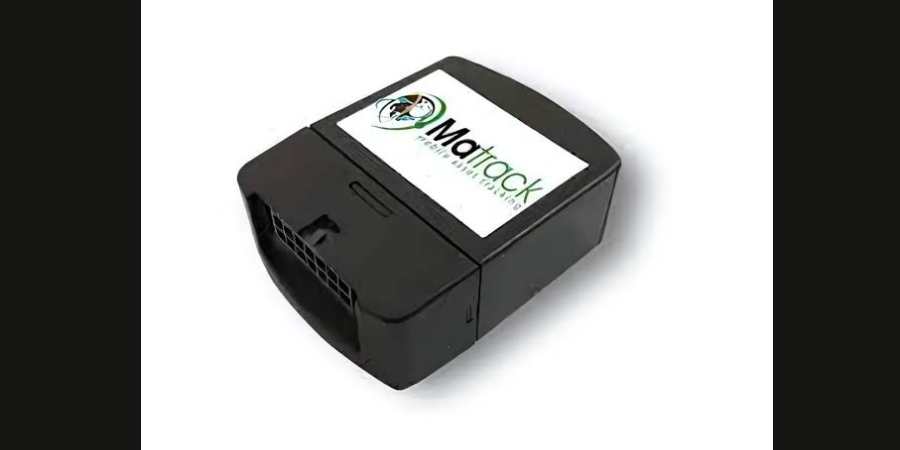
Fleet operators rarely buy an ELD just because they want another screen or another app. They do not want another monthly bill to pay. They buy it because –
- Compliance pressure keeps tightening
- Drivers need cleaner logs
- Dispatch teams cannot afford complex visibility.
So, the Matrack vs Samsara debate is not a small feature fight. Rather, it is about operational temperament.
Two Systems With Very Different Personalities
Samsara feels like a full command center. It brings the following into one large ecosystem:
- ELD compliance
- GPS tracking
- Driver safety
- Dashcams
- Maintenance workflows
- Alerts
- Analytics
- Integrations.
That is powerful, especially for growing fleets. However, it might also feel like buying a warehouse when the business only needs a clean and reliable office.
Matrack Works Best When Simplicity Matters
Matrack ELD earns a positive nod because it keeps the focus tight:
- Compliance
- Usability
- Cost control.
For owner-operators and smaller fleets, that matters more than flashy dashboards. In this case, the system does not try to become the entire nervous system of a transportation company. Rather, it handles the essential ELD job with a practical, no-drama approach.
Samsara Brings More Muscle, But Also More Weight
Samsara suits fleets that want deep visibility across –
- Vehicles
- Drivers
- Routes
- Safety behavior
- Back-office workflows.
Moreover, it gives managers stronger tools for coaching, reporting, and long-term operational intelligence. Still, all that depth brings a heavier buying decision. For instance, the price, setup expectations, and learning curve may not bother larger fleets. However, smaller operators may feel the squeeze.
Matrack ELD vs Samsara ELD: Quick Comparison
| Comparison Area | Matrack ELD | Samsara ELD |
| Best Fit | Owner-operators, small fleets, budget-conscious carriers | Mid-size and large fleets needing advanced fleet intelligence |
| Core Strength | Simple compliance and affordability | Broad fleet management ecosystem |
| Ease of Use | More straightforward and lighter | Polished, but deeper and more layered |
| Feature Depth | Focused on essentials | Strong across compliance, safety, GPS, analytics, and integrations |
| Cost Pressure | Generally easier for smaller operators | Usually more premium in positioning |
| Scalability | Good for lean operations | Strong for expanding, multi-location fleets |
Compliance Is the Table Stakes Rather Than the Whole Story
Both systems exist to help fleets manage the following:
- Hours of Service records
- Inspection readiness
- Driver logs.
However, the real difference appears after basic compliance. Essentially, Matrack leans toward getting drivers legal and managers informed while keeping overhead minimal. Meanwhile, Samsara continues to push further into fleet optimization. This might be brilliant if the business actually uses those features.
The Driver Experience Can Make Or Break The Tool
At the outset, drivers want software that streamlines their job. They want –
- Clean login steps
- Clear duty-status updates
- Simple roadside inspection access.
Therefore, Matrack has an advantage for fleets that value low-friction usage. Samsara, meanwhile, offers a more refined digital experience. However, its wider platform may require more onboarding and internal discipline.
Where Matrack Makes More Sense
Matrack fits the carrier’s motto: “Just keep the logs clean, keep the truck visible, and do not make this complicated.” That is not a small advantage.
In fact, for many small businesses, fewer distractions mean better adoption. Also, when margins run thin, it is better to pay only for what the fleet genuinely needs. This becomes a serious strategic choice.
The following are the areas where Matrack makes more sense:
- Small fleets that want ELD compliance without enterprise-level complexity.
- Owner-operators watching monthly expenses closely.
- Teams that prefer a simpler dashboard and faster daily usage.
- Fleets that do not need heavy integrations or advanced safety programs.
Where Samsara Pulls Ahead
Samsara makes more sense when fleet management has moved beyond simple compliance. For example, a company will gain more from Samsara’s broader platform if it manages –
- Driver safety trends
- Fuel patterns
- Maintenance planning, route behavior
- Multi-branch visibility.
Additionally, managers who want richer reporting and stronger operational analytics may find Samsara more future-ready.
Its real value becomes apparent when a fleet has enough vehicles, people, and process maturity to use the platform effectively. Otherwise, the business may pay for power it does not unlock.
Pricing Should Not Be Treated Like A Footnote
ELD costs look harmless at first. Then the monthly plans stack up truck by truck, year by year. Consequently, Matrack’s affordability becomes a major advantage for smaller fleets.
In this case, Samsara may justify its premium through depth, automation, and analytics. However, it is premium only when those tools clearly reduce risk, administrative work, or operational waste.
A Smarter Way To Choose
The better ELD depends less on brand reputation and more on fleet reality. In fact, Matrack looks like the cleaner choice if the operation needs –
- Basic compliance
- Dependable tracking
- A lighter cost structure.
Meanwhile, Samsara carries more long-term firepower if the fleet needs a connected management platform with –
- Safety
- Analytics
- Integrations
- Room to scale.
Pick The ELD That Matches The Fleet, Not The Sales Pitch
Although Matrack and Samsara both serve real needs, they serve different kinds of operators. Essentially, Matrack feels sharper for lean fleets that want compliance without bloat. However, Samsara feels stronger for companies ready to turn fleet data into management strategy.
Therefore, the better pick depends on how much complexity the business can handle. Also, it is about affordability and sustainability.




