
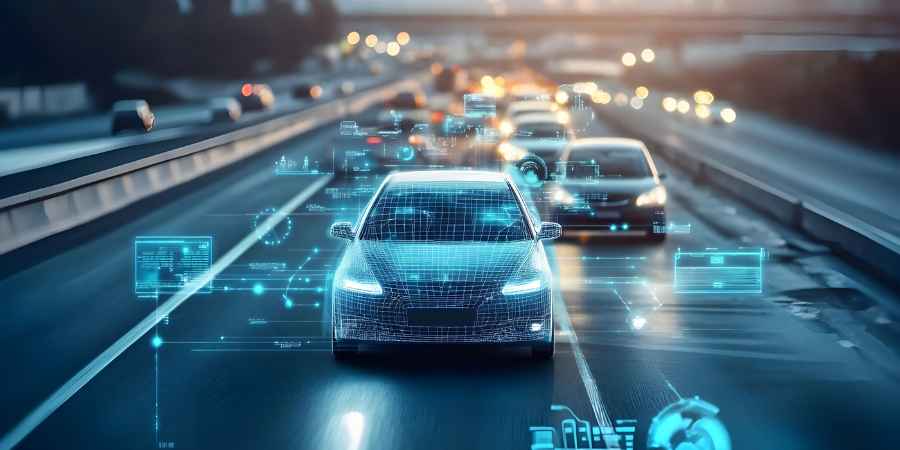
A rolling shot of a car sweeping through a scenic road has long been one of the most expensive kinds of footage a brand can produce, closed roads, permits, camera cars, and a shoot day that depends entirely on the weather cooperating on the day it’s scheduled. Higgsfield’s very own innovative tool like an AI Car Video Generator is changing that math, letting a brand turn a single product photo into a cinematic driving shot without any of the logistics a real closed-road shoot has always required, provided the result still represents the actual vehicle being sold.
Why Has Car Marketing Video Always Been So Expensive to Produce?
The list of requirements for a proper automotive commercial reads like a small production company on its own: road closure permits, a camera vehicle capable of matching speed, a stunt or professional driver, and often a specific time of day or season to get the light right. None of that changes based on brand size, a boutique dealership faces roughly the same logistical wall as a major manufacturer when it wants footage of a car actually moving.
The permitting process alone can take weeks depending on the location, and that’s before accounting for weather delays, insurance requirements for closing a public road, and the coordination needed to keep a camera vehicle safely alongside a car at speed. A single day of unusable footage because of overcast skies or an unexpected road closure elsewhere can push an entire production timeline back by weeks, sometimes past the actual campaign date it was originally meant to support.
What’s Different When a Video Model Generates the Driving Shot Instead of Filming It?
The tool works from a prompt or a single photo of the actual car and produces a rolling shot that keeps the real make, model, and color intact rather than generating a generic vehicle that happens to look similar. Higgsfield’s version includes more than 70 cinematic presets and access to over 15 underlying models, so a dealership or brand can move between a slow, moody reveal and a fast-paced action cut without learning a different tool for each.
That range matters because a luxury brand and a mainstream dealership genuinely want different things from the same underlying footage. A high-end brand might want a slow, atmospheric reveal that lingers on the vehicle’s lines, while a dealership running a weekend sale wants something punchier that gets the point across in a few seconds flat. Having both available inside one Higgsfield workspace means a team doesn’t need a separate tool for each style.
What Should This Kind of Tool Actually Be Used For?
Use it to show a real car, its real color, its real trim, in a setting and camera style that genuinely makes it look good. Don’t use it to imply the vehicle has features, options, or a trim package it doesn’t actually offer. Automotive advertising has genuine, longstanding rules about accurately representing a vehicle’s specifications, and a generated video is held to that same standard regardless of how the footage was produced.
That standard existed long before AI entered the picture, and it applies with the same force here regardless of production method. A dealership has never been allowed to advertise a base model with premium trim features it doesn’t include, and generating the footage with AI rather than filming it in a studio doesn’t change what regulators or a genuinely observant customer would consider misleading.
What Happens When a Brand Wants Cinematic Footage but Can’t Justify a Full Shoot?
This is a real, genuinely common constraint for a lot of dealerships, smaller automotive brands, and even larger manufacturers trying to produce content for every trim level and color combination they actually sell. A full production shoot for a flagship model makes sense once a year. Doing the same for every variant in a lineup simply isn’t something most marketing budgets can absorb.
The math gets even harder for a manufacturer selling a dozen brands across multiple markets, each with its own model lineup, color options, and regional trim variations that need distinct representation. Producing distinct video content for every combination through traditional filming would require a production schedule that simply doesn’t exist in most marketing calendars, which is part of why so much automotive marketing content still leans heavily on static photography and reused footage across multiple campaigns.
What Are the Traditional Options for Producing Car Marketing Video?
Commissioning a professional shoot is one option, and it produces results that are hard to match when the budget supports it. Relying on static dealership photos or manufacturer stock imagery is the more common fallback, but neither conveys what a car actually looks like in motion the way video genuinely does, and that gap shows up directly in how long a listing holds a shopper’s attention.
Both options come with real trade-offs worth naming plainly. A professional shoot delivers footage of the actual vehicle in real motion, but the cost, permits, and scheduling required mean most brands can only justify it for a small handful of flagship pieces each year, leaving the rest of the lineup without any comparable video content at all. Static photography and stock imagery are inexpensive and immediately available, but neither one shows a customer what actually matters most in a driving experience, how the car handles a curve, how the light plays across its body panels in motion, how it actually sounds and feels on the road.
| Professional closed-road shoot | Static photos or stock imagery | AI Car Video Generator | |
| Cost | A real, often significant production expense | Minimal, but no motion | Included in a subscription |
| Represents the exact car being sold | Yes | Depends on the source images | Yes, from the actual product photo |
| Shows the vehicle in motion | Yes | No | Yes |
| Best suited for | A flagship launch campaign | Basic listing pages | Regular content across a full lineup |
How Does This Actually Change What’s Realistic for a Dealership or Automotive Brand?
An AI Car Video Generator, available through Higgsfield, lets a marketing team upload a real product photo and generate a driving shot within minutes, without booking a closed road or a specialized camera crew. For a dealership carrying dozens of trim and color combinations, that speed makes it realistic to produce distinct video content for far more of the actual inventory than a traditional shoot schedule would ever allow.
That shift matters in a very practical sense for how inventory actually gets marketed. A car sitting on a lot for weeks without any video content is a real, measurable disadvantage against a comparable listing that includes footage showing the vehicle in motion, since video-format listings consistently draw more attention across most online marketplaces than static photos alone.
What Must Every Generated Car Video Stay Accurate About?
This is the point that matters most. A car video has to represent the real vehicle, its actual color, trim, and features, never implying a package or capability the specific car doesn’t have. Use Higgsfield’s tools to show a real product more compellingly, never to blur the line between what’s actually being sold and what looks good on screen. Vehicle advertising already operates under real scrutiny for accuracy, and a generated video doesn’t get a pass on that standard just because it wasn’t filmed with a camera.
This distinction is worth building into a marketing team’s review process from the start, rather than treating it as an afterthought once content is already produced and ready to publish. A team generating video from real product photos, with real specifications confirmed for the exact trim being shown, faces essentially no meaningful risk here. A team tempted to generate a version that looks a little more impressive than the actual configuration, a sportier trim, a more premium interior, an option that isn’t actually included on that specific unit, creates a real problem that has nothing to do with the tool and everything to do with that specific choice.
What Can a Brand Build Beyond a Single Car Video?
One generated shot is a starting point for covering a much wider range of a brand’s actual lineup, and it connects to the kind of large-scale transformation covered in Humans of Globe’s own feature on Volkswagen’s sustainability strategy, which details how a legacy automaker managing a dozen distinct brands, Audi, Porsche, Bentley, Bugatti, Lamborghini among them, is rethinking its business from the ground up. A portfolio that broad has a genuinely large amount of content to produce across every brand and model it carries, and marketing teams supporting that kind of scale benefit from a workflow that doesn’t require a separate production schedule for every single vehicle in the lineup. Higgsfield AI is a native AI creative suite, which offers advanced AI image, video, and voice generation, editing, and upscaling tools. The same workspace also covers still photography for the same vehicles.
Does This Replace the Actual Engineering and Design Behind a Car Worth Marketing?
No. What actually sells a car is the real engineering, the real design, and the real driving experience behind it. A tool built into Higgsfield’s suite speeds up producing compelling footage of that real product. It doesn’t design the vehicle, improve its actual performance, or replace the engineering work that determines whether a car is genuinely worth the marketing built around it.
This distinction matters because marketing, however it’s produced, is fundamentally the layer that gets a real product in front of a prospective buyer, not the reason they end up genuinely satisfied with the purchase after driving it home. A genuinely disappointing vehicle dressed up in polished video will still disappoint the customer who drives it home, while a genuinely well-engineered car benefits from marketing that finally shows it the way it deserves, whether that footage came from a closed-road shoot or a generation tool.
What Should a Brand Look for in an AI Car Video Generator for This Kind of Use?
Accuracy in preserving the actual vehicle’s appearance matters most, since the whole value of this approach depends on the output actually looking like the specific car being sold. A range of cinematic styles matters, since a luxury brand’s needs differ from a mainstream dealership’s, and forcing both into the same generic look undersells what makes each brand distinct. And straightforward production from existing product photos matters, since most teams already have those images on hand and shouldn’t need a new photoshoot just to get moving on a video project.
What Are the Key Takeaways for Automotive and Luxury Brands?
- An AI Car Video Generator can turn a single product photo into a cinematic driving shot without the road closures and crew a traditional shoot requires, cutting weeks of permitting down to minutes of generation time.
- The output has to preserve the real make, model, and color of the actual vehicle, not a generic substitute that merely resembles it.
- Every generated car video must represent real trim and features accurately, never implying options the specific vehicle doesn’t actually have or wasn’t built with.
- This kind of tool speeds up producing car marketing video but doesn’t replace the actual engineering and design that make a vehicle genuinely worth selling.
What Are Some Frequently Asked Questions About This?
Can an AI Car Video Generator be used to show a trim level or feature the actual car doesn’t have?
This should never be done. The tool should be used to represent the real vehicle accurately, never to imply options, packages, or capabilities that aren’t genuinely part of what’s being sold to a real customer.
Does this replace the need for real photography of dealership inventory?
No. A real product photo is typically the starting point the generator works from, so accurate, current photography of actual inventory remains part of the process rather than something it replaces entirely.
Do smaller dealerships need production experience to use this kind of tool?
No. Providing an existing product photo and a description of the style wanted is generally enough to produce usable video without prior production experience, which matters given that smaller dealerships rarely have anyone on staff dedicated to video work.
Is this only useful for new car marketing, or does it help with other kinds of automotive content too?
It helps with other content too, since the same approach applies to used inventory listings, seasonal promotions, and any marketing situation where showing a specific vehicle in real