
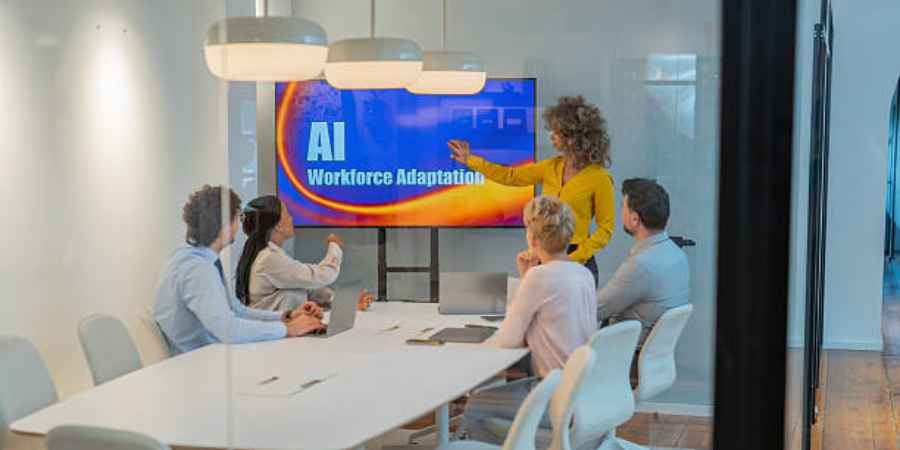
HR used to be seen as the department that handled paperwork, policies and the occasional awkward performance review. But today, that picture no longer fits.
Work, in general, has become more flexible, more digitised, and, in many ways, much more complicated than it ever used to be. In addition to that, many of us have come to expect hybrid working options, as well as fairer treatment, and leaders who actually listen to us when something isn’t working.
At the same time, today’s HR teams need to be able to deal with emerging AI tools, workforce data, remote teams, and constant changes in technology. Yes, employment law and recruitment basics still matter, but modern HR professionals need more than a good understanding of policies. They also need to understand people, technology and the business around them.
In that sense, future HR leaders need to be comfortable with both data analysis and difficult conversations. That balance is becoming one of the most important parts of the job.
The HR Playbook Is Getting a Rewrite: What Belongs in the Modern Curriculum?
The traditional HR rule book is not disappearing, but it’s definitely being updated. That’s because modern workplaces don’t run the way they did back in the day.
While we still need to consider workplace relations, recruitment, performance management, learning and development, and employee well-being, today’s HR professionals might also be asked to help introduce an AI recruitment platform or support a team struggling with remote and hybrid work flexibility, or even analyse data to explain why staff turnover has increased.
For that reason, modern HR courses also need to include topics like:
- People analytics, so students can understand workforce data without getting lost in spreadsheets.
- AI and workplace technology, including privacy, bias and the limits of automation.
- Employee experience, from a person’s first day to their last.
- Change management, because most workplaces are always changing.
- Inclusive leadership, so decisions work for people with different needs and experiences.
- Business basics, because HR needs to understand what the organisation is trying to achieve.
A Graduate Certificate in Human Resource Management can be a helpful starting point, particularly as it gives students chances to work through real examples, rather than just memorising theory.
From Algorithms to Empathy: Teaching the Full Spectrum of People Management
Sure, data is the new ‘language’ of our workplaces, but it can feel cold if we don’t use it correctly.
Many of us spend a great deal of our time scanning through dashboards and spreadsheets that track everything from staff turnover to engagement scores. Yes, these numbers are vital; they tell a story about what’s happening in the company. But the thing is, numbers alone are never the whole story. A modern HR classroom must also teach us how to look at algorithms while still being able to see the human behind each data point.
Sure, in our digital age, we definitely do need to know how to use AI to speed up recruitment or even sort through massive amounts of feedback. But we also need the empathy to understand why a team is feeling burnt out, or why a high performer is suddenly struggling. Empathy isn’t a soft skill; it’s a high-level capability that helps us build trust.
People leaders can bridge this gap by employing;
- People analytics to spot trends early.
- Active listening to find the root cause of problems.
- Critical thinking to challenge what the data says.
- Coaching techniques to help managers improve.
- Clear communication to explain complex tech changes.
Beyond the Certificate: Turning HR Knowledge Into People-First Leadership
Holding a certificate is a great start, but it’s our judgment that makes us leaders.
Life doesn’t always follow a textbook, and people don’t always react the way we expect. The key/ We need to move from thinking we already know the answers to simply asking the right questions. This transition only happens when we start focusing on the “why” behind every HR action.
Good judgment and adaptability serve us well over time. When a policy doesn’t fit a unique situation, we must have the confidence to suggest a better solution. Leadership means remaining calm through uncertainty and speaking thoughtfully when tensions rise.
Developing this mindset involves:
- Getting feedback on how we communicate, influence and handle pressure.
- Learning the business, not just the HR function.
- Staying curious about how employees experience work each day.
- Using evidence without forgetting there is a person behind every number.
- Speaking up when fairness, trust or inclusion is at risk.
–
The new HR classroom needs to teach both sides of the equation: technology and humanity.
Yes, tomorrow’s people leaders will need to understand data, AI and changing workplaces, but they will also need empathy, judgement, communication and ethical awareness. And sure, a qualification provides an important foundation, but leadership develops through practice, reflection and experience.
Future HR professionals who will make the greatest contribution will not simply know more about HR. They’ll also know how to apply that knowledge thoughtfully, when real people are involved.




