

Recognition culture has moved from an HR side-project to a measurable lever for retention, engagement, and operational continuity. Companies that treat recognition as a structured program (rather than an afterthought) regularly show 20 to 40 percent better first-year retention among newly recognized employees compared with peer organizations. The pattern holds across industries, company sizes, and geographic markets. What makes the difference is the program design, not the budget.
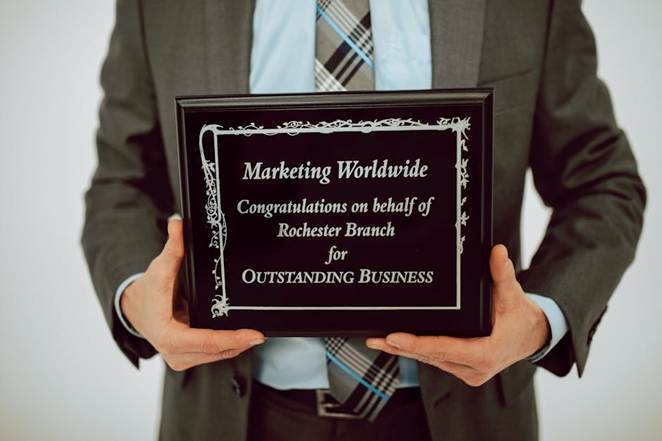
Photo by RDNE Stock project on Pexels
Alt text: A corporate awards ceremony recognizing employee achievement
The design rewards specificity. Generic “employee of the month” awards rarely move the needle. Programs that pair meaningful in-person ceremony with a tangible artifact (a custom coin, a designed plaque, a personalised gift) compound over years and become part of the organization’s identity. Many organizations source custom commemorative pieces from specialists like Challenge Coins 4 Less for the artifact side of the program. The same purpose-driven thinking that runs through Kamales Lardi’s profile on digital transformation applies to recognition program design.
Why Does Recognition Culture Matter More Now?
Three structural shifts have raised the stakes on recognition program design.
The first is the talent-market pressure. Skilled professionals can change employers more freely than at any point in the last decade. Recognition programs that genuinely make people feel seen reduce the friction that prompts the job search.
The second is the distributed-workforce reality. Many teams now span time zones and rarely meet in person. Recognition that travels (artifacts that arrive at the employee’s home, public stories in company communications) reaches the distributed workforce in a way that office-only celebration cannot.
The third is the millennial-and-Gen-Z expectation shift. The newer workforce expects recognition with meaning and substance. Token gestures register as performative rather than appreciative.
What Should Organizations Verify Before Designing the Program?
Six items belong on every recognition-program checklist.
- The achievement-criteria definition. What earns recognition
- The frequency cadence. Quarterly, annual, milestone-based
- The artifact strategy. Custom item, public ceremony, both
- The communication channel. All-hands, email, internal social
- The budget envelope. Per-recipient and total annual
- The measurement framework. Retention, engagement, NPS
A program designed against all six points produces measurable returns. A program that skips any of them often delivers underwhelming results that erode buy-in over time. The US Office of Personnel Management’s performance management hub covers the broader framework organizations should reference.
What Artifact Types Work Best for Recognition?
Five artifact categories recur across well-designed programs.
- Custom challenge coins. Military tradition adapted for civilian organizations; tactile, collectible, and durable.
- Plaques and certificates. Visible at the recipient’s desk or home; longer-lasting than expected.
- Personalised gifts. Watch, pen, or branded item with the employee’s name and milestone.
- Public storytelling. Internal newsletter feature or all-hands acknowledgement.
- Experiential rewards. Conference attendance, dinner with leadership, paid time off.
Each artifact type works for different recognition moments. Coins suit anniversaries and milestones; experiences suit performance breakthroughs. Most strong programs use 2 to 3 artifact categories combined.
Why Do Challenge Coins Translate So Well Outside the Military?
Three reasons explain the cross-over.
The first is the tactile permanence. A coin sits on a desk for decades. The reminder of the moment compounds across years. Digital recognition fades within weeks.
The second is the collector-pattern effect. Recipients who receive multiple coins over time build a personal archive of their organizational contributions. The archive becomes meaningful in ways that no single award matches.
The third is the storytelling vehicle. A custom coin carries the organization’s symbols, the recipient’s name, and the specific achievement. The recipient explains it to friends and family in a way that a generic award cannot replicate.
What Errors Surface in Recognition Program Design?
Five mistakes recur.
The first is the inconsistency trap. Programs that run for two quarters then quietly disappear damage culture more than no program at all.
The second is the everyone-gets-one inflation. Recognition that goes to every employee equally stops registering as recognition. Selectivity matters.
The third is the artifact-only approach. A coin or plaque without a ceremony lands flat. The artifact and the moment work together.
The fourth is the budget-cut casualty. Recognition programs that get cut in the first cost-cutting round signal that the culture wasn’t real to begin with.
The fifth is the measurement-skip. Programs without measurement data can’t be defended or improved. The ROI-driving technology framework reminds organizations that measurable outcomes earn ongoing investment.
Quick Reference: Recognition Program Spend Bands
| Organization Size | Typical Annual Recognition Spend (USD) |
| 25 to 100 employees | $5,000 to $30,000 |
| 100 to 500 employees | $30,000 to $150,000 |
| 500 to 2,500 employees | $150,000 to $750,000 |
| 2,500+ employees | $750,000 to $5M+ |
| Per-recipient artifact cost | $20 to $150 |
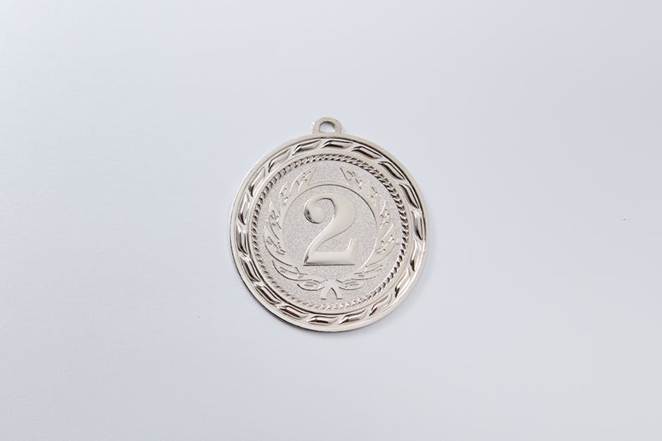
Photo by DS stories on Pexels
Alt text: A custom challenge coin used for organizational recognition
The bands reflect real-firm averages. The variance reflects industry, geography, and program design depth.
Pre-Launch Checklist for Recognition Programs
- Define the achievement criteria before designing the program
- Choose the artifact strategy with team input
- Build the ceremony cadence into the company rhythm
- Plan the budget envelope for at least 3 years
- Set the measurement framework before launch
- Source the artifacts from a specialist with custom design experience
The Bottom Line for Organizations Building Recognition Culture
Recognition programs that work share a few characteristics: specific criteria, meaningful artifacts, consistent execution, and measurable outcomes. The cost is modest. The culture impact compounds across years.
Organizations that invest in this discipline regularly outperform peers on retention, engagement, and operational continuity. The Society for Human Resource Management’s recognition resources cover the broader framework HR leaders should reference for program design.
Frequently Asked Questions
How Often Should an Organization Run Recognition Programs?
Most organizations benefit from a mix of quarterly milestone recognition and annual major-achievement ceremonies. Monthly recognition often dilutes the signal. Annual-only recognition misses too many smaller moments.
What’s the Right Budget for a Recognition Program?
Most organizations target 0.5 to 2 percent of total payroll for recognition program spend. The variance reflects industry norms and the depth of the program. Below 0.5 percent often underfunds the artifact and ceremony side.
Should Recognition Programs Include Tenure Milestones?
Yes, in most cases. Tenure milestones (5, 10, 15, 20 years) create predictable recognition moments that anchor the program calendar. Most organizations pair tenure recognition with achievement-based recognition for full coverage.
Do Distributed Teams Need Different Recognition Approaches?
Distributed teams benefit from artifact-based recognition more than co-located teams, because the artifact travels and creates presence in the absence of an office. Virtual ceremonies still matter; the artifact extends the recognition beyond the ceremony itself.