
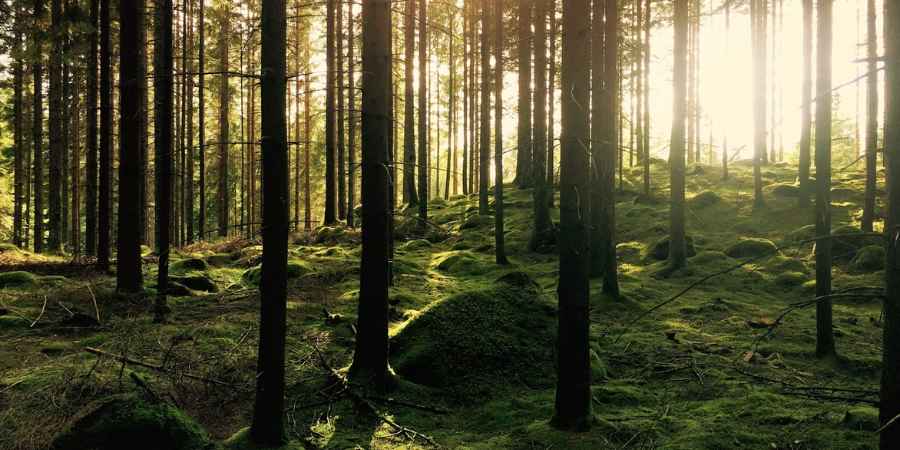
Trees surround many rural towns, providing clean air, fresh water, and scenic space for outdoor recreation. Caring for these local woodlands through thoughtful harvesting methods creates long-term value for nearby residents. Controlled management builds stable employment opportunities, strengthens small-town commerce, and keeps natural ecosystems safe for future generations. Regional working forests serve as active financial engines that help rural districts thrive without draining municipal budgets or harming local wildlife.
Economic Stability in Rural Areas
Small towns situated near well-managed forests enjoy unique financial opportunities. According to a global development report, forests cover over 30% of the planet’s total land area and deliver key economic benefits to surrounding regions. Revenue generated from selective harvesting helps fund critical public services, including road repairs, community centers, and local emergency departments.
A development briefing highlights how sustainable wood production yields steady income for forest communities, supporting local wellbeing and maintaining healthy natural resources for long periods. Money earned by logging crews, truck drivers, and mill operators flows directly back into local grocery stores, hardware shops, and family restaurants. This steady circulation of capital prevents economic downturns when other industries experience seasonal drops. Local governments can plan long-term infrastructure projects with confidence when harvest revenue remains steady.
Protecting Local Ecosystems and Water Sources
Healthy forest canopy acts as a natural water purification system for surrounding communities. Harvesting raw timber in a careful manner protects nearby rivers from topsoil erosion and harmful chemical runoff. Clean municipal reservoirs keep water treatment costs low for homeowners and protect freshwater fish populations. Reliable water quality safeguards municipal budgets and supports local water suppliers.
Logging crews protect surrounding watersheds by using low-impact harvesting techniques during wet seasons. Installing temporary bridges across streams prevents heavy machinery from stirring up mud and disrupting aquatic habitats. Careful road planning prevents steep hillsides from collapsing after heavy rainstorms. When harvest boundaries respect natural drainage basins, nearby communities enjoy dependable access to fresh drinking water.
Empowering Indigenous and Local Guardians
Native tribes and residents have preserved forest lands for generations through traditional stewardship practices. A conservation study notes that Indigenous communities reduce tree loss by roughly 20% when granted official legal rights to their ancestral lands. Formal recognition of land ownership grants local families the authority to protect their environment from unauthorized commercial clearing.
Collaborative Land Management
Shared management structures allow residents to participate directly in daily forest decisions. Community advisory boards work alongside forestry professionals to set harvest quotas, establish buffer zones around historic sites, and organize wildfire prevention campaigns. Local observers spot insect infestations and tree diseases long before major damage occurs. Working together creates lasting trust between forestry companies, regulatory agencies, and town leaders.
Long-Term Job Creation and Skill Development
Modern wood harvesting relies on advanced technology, skilled labor, and scientific research. Local workers gain valuable technical expertise through vocational apprenticeships, equipment certification programs, and forestry management courses. Competitive wages in the forest sector give young adults strong incentives to build careers in their hometowns rather than migrating to large urban centers.
Forest management operations generate diverse career paths across several regional industries:
- Heavy equipment operators maneuver harvesting machinery along designated thinning routes.
- Environmental specialists analyze soil quality, map wildlife corridors, and track stream purity.
- Processing plant managers transform raw logs into high-value structural building materials.
- Safety officers monitor workplace practices to protect crew members in remote logging zones.
Sustainable Building Practices and Regional Growth
Using renewable building materials transforms architectural design and lowers environmental impact. An official British government policy document outlines a strategy to increase woodland cover from 14.5% in 2024 to 16.5% by 2050. Expanding regional tree cover guarantees a steady supply of green building products for residential and commercial builders.
A report from a sustainable architecture initiative shows that established guidelines for wood construction provide practical direction for urban planners. Policy frameworks encourage cities to replace carbon-heavy concrete and steel with sustainably harvested structural lumber. Sourcing wood products locally reduces freight expenses, cuts transport emissions, and supports regional manufacturing hubs.
Balancing Operations with Environmental Health
forestry commission guide states that operators must carefully review environmental impacts before starting harvest activities. Evaluating wildlife nesting habits and soil stability preserves local biodiversity during active harvest projects.
A European forest policy report shows that expanding woodland areas continues to deliver strong economic, environmental, and social benefits to society. Selective cutting strategies leave mature trees standing to maintain seed supply and preserve canopy shade. Replacing harvested trees with native saplings guarantees that working forests continue to capture carbon and filter regional air supplies.
Careful stewardship of forest resources converts natural wealth into long-term stability for regional populations. Supporting ethical harvesting practices protects workers, honors native land rights, and keeps local businesses strong. Working together with care guarantees that rural towns remain healthy, prosperous, and resilient far into the future.




