
Success at work is often linked to skills, experience, and the tools we use throughout the day. While those factors certainly matter, many professionals overlook another influence on performance: the home environment. The way we organize, maintain, and use our living spaces can affect focus, energy levels, decision-making, and overall productivity.
For leaders, business professionals, and remote workers alike, creating a supportive home environment doesn’t require a complete renovation. Small, intentional changes can have a meaningful impact on how prepared and energized you feel when tackling workplace challenges.
Create a Dedicated Space for Focus
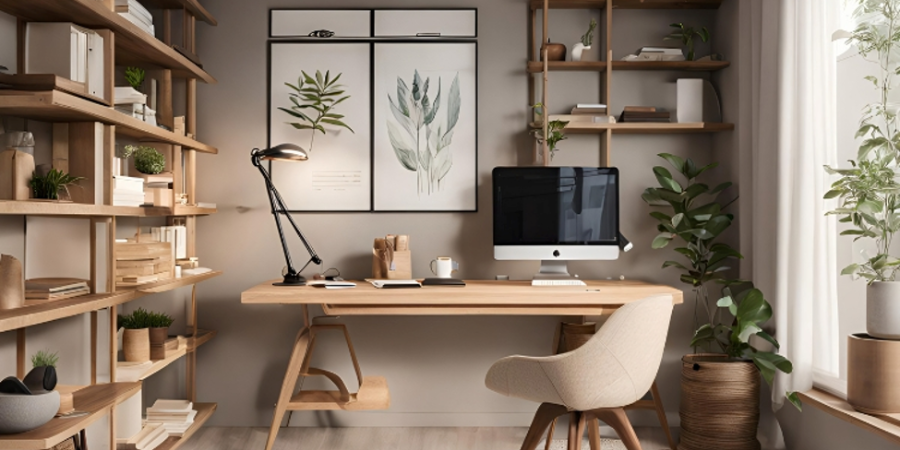
One of the most effective ways to improve workplace performance is to establish clear boundaries between work and personal life. Even if you don’t have a separate home office, creating a designated work area can help train your brain to switch into a productive mindset.
A dedicated workspace offers several advantages:
- Fewer distractions during focused tasks
- Better organization of work materials
- A stronger sense of routine
- Improved ability to disconnect after work hours
The goal isn’t to create a perfect office. A quiet corner with a comfortable chair, proper lighting, and minimal clutter can be enough to improve concentration.
Make Better Sleep a Priority
Many workplace challenges can be traced back to inadequate rest. Difficulty concentrating, irritability, slower decision-making, and reduced creativity often become more noticeable when sleep quality suffers.
Improving the sleep environment may provide certain benefits. The bedroom should support relaxation and recovery rather than serve as an extension of the workplace. Simple changes can make a difference:
- Keep work devices out of the bedroom whenever possible
- Establish a consistent bedtime routine
- Limit unnecessary light and noise
- Invest in comfortable bedding designed for quality rest
Creating a sleep-friendly environment becomes especially important for professionals balancing demanding schedules. Comfortable, well-designed bedding can help make the bedroom feel more inviting and conducive to relaxation.
For students, young professionals, and anyone looking to upgrade their sleep setup, choosing quality options from trusted providers can be a worthwhile investment. Those interested in improving their sleep environment can shop Doze Bedding for bedding solutions designed to support comfort and recovery.
Doze Bedding offers products that fit naturally into a broader strategy of creating a home environment that supports both well-being and professional performance.
Reduce Visual and Mental Clutter
Clutter doesn’t just take up physical space. It can also occupy mental space, making it harder to concentrate on important responsibilities. Many professionals underestimate how much a disorganized environment can affect their ability to think clearly.
Start by identifying areas that frequently cause frustration or distraction. This might include overflowing desks, crowded countertops, or piles of paperwork. Simple organizational systems can help reduce unnecessary stress and make daily routines smoother.
Consider focusing on:
- Daily Reset Habits: Spend a few minutes each evening tidying your primary living and working spaces. Waking up to an organized environment can help create a more positive start to the day.
- Better Storage Solutions: Use shelves, drawers, and storage containers to keep frequently used items accessible while minimizing visual clutter.
- Digital Organization: Physical clutter isn’t the only concern. Organizing files, emails, and digital workspaces can create the same sense of order and control.
Small improvements in organization often lead to fewer distractions and better focus throughout the workday. The ideal working setup should only include the essentials that help you do your job, like your computer, a monitor, and maybe some peripherals. Any additions should help you remain focused and productive, like a premium wall clock that helps you keep time without providing any of the extra distractions that a lot of digital clocks offer nowadays. It’s all about developing that sanctuary where you aren’t distracted by anything yet can still keep track of your working hours.
Improve Lighting Throughout Your Home
Lighting plays an important role in how people feel and function throughout the day. Poor lighting can contribute to eye strain, fatigue, and difficulty maintaining focus.
Natural light is often the most beneficial option. Whenever possible, position workspaces near windows to take advantage of daylight. Exposure to natural light can help support alertness during working hours while creating a more pleasant environment overall.
When natural light isn’t available, consider these adjustments:
- Use task lighting for focused work
- Avoid overly harsh overhead lighting
- Select lighting that creates a comfortable atmosphere
- Reduce glare on computer screens
The right lighting setup can improve comfort and help maintain productivity during long periods of concentration.
Build Recovery Into Your Daily Routine
Many professionals spend significant time thinking about productivity but very little time thinking about recovery. Yet recovery is what allows people to maintain performance over the long term.
Home should provide opportunities to recharge physically and mentally. This doesn’t necessarily require large blocks of free time. Small habits throughout the day can contribute to better energy management.
Examples include:
- Short Movement Breaks: Standing, stretching, or walking for a few minutes between tasks can help refresh focus.
- Comfortable Relaxation Areas: Having a designated place to unwind after work can make it easier to transition out of work mode.
- Consistent Evening Routines: Predictable routines help signal that the workday has ended and that it’s time to rest.
Professionals who neglect recovery often experience declining performance over time. Those who prioritize rest and restoration are typically better equipped to handle challenges, maintain focus, and lead effectively.
Design Your Environment Around Your Goals
Every home sends subtle signals about how time should be spent. A cluttered, distracting environment can encourage procrastination, while an organized and supportive space can reinforce productive behaviors.
The most effective home environments are intentionally designed around personal and professional goals. This doesn’t mean creating a perfectly curated space. Instead, it means identifying the changes that will have the greatest impact on your daily routines.
For some people, that may involve creating a dedicated workspace. For others, improving sleep quality may deliver the biggest benefits. In many cases, a combination of small adjustments creates meaningful improvements over time.
The key is to view the home environment as an active contributor to workplace performance rather than a separate part of life. When your surroundings support your goals, staying focused and productive becomes much easier.
Conclusion
Workplace performance doesn’t begin when you sit down at your desk each morning. It starts much earlier, with the environment you return to every day. The way your home is organized, the quality of your sleep, the amount of clutter you manage, and the opportunities you create for recovery all influence how effectively you perform at work.
By making small, practical changes to your living space, you can create conditions that support greater focus, better decision-making, and more consistent energy levels. Over time, these seemingly minor adjustments can contribute to meaningful improvements in both professional performance and overall well-being.




