
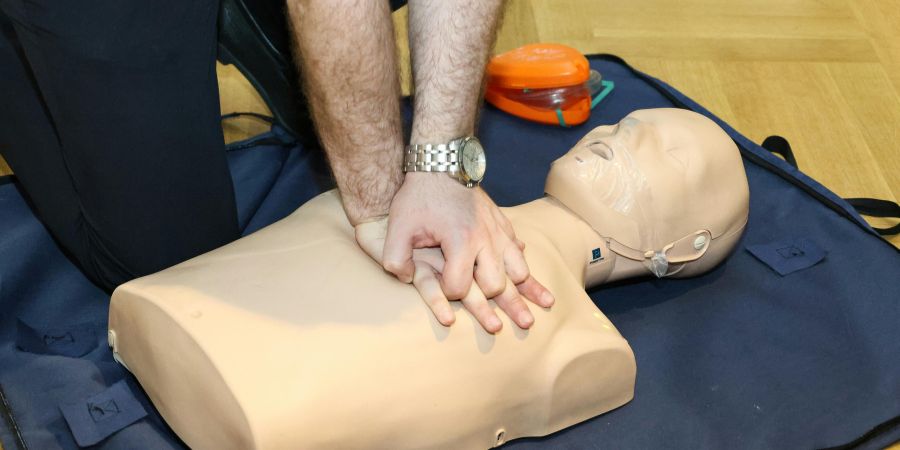
Life doesn’t send warnings. It doesn’t pause for us to prepare or catch our breath. One moment everything feels normal, and the next, it’s changed forever. We see it every day stories of courage, heartbreak, and unexpected strength. But what separates those who freeze from those who act often comes down to one thing: readiness. That’s why more people are turning to community-based programs like Mississauga CPR to learn how to respond when every second counts. Because while life doesn’t wait, preparedness helps us meet it halfway.
1. The Illusion of Time
Most of us live as if we have all the time in the world. We plan our days, make our lists, chase our goals and somewhere in between, we assume that emergencies happen to other people.
But the truth is, no one expects to be in a life-or-death situation. Accidents, sudden health events, and emergencies rarely announce themselves. And when they happen, time becomes the most valuable thing in the world and the one thing you can’t buy back.
Being prepared isn’t about fear; it’s about respect for life, for the people around us, and for the unpredictability that comes with being human.
2. The Power of Small Actions
It’s easy to underestimate how much difference a single person can make. But when someone steps in during a crisis whether performing CPR, stopping bleeding, or simply staying calm that moment can define an entire story.
We hear about heroes, but they’re often just ordinary people who decided to do something rather than nothing. Maybe it’s a co-worker helping after an accident. Maybe it’s a parent who kept their child breathing while waiting for help. These aren’t grand gestures. They’re human ones.
That’s what readiness looks like, not perfection, but participation.
3. From Panic to Purpose
When emergencies strike, most people feel an overwhelming rush of panic. The heart races, hands shake, thoughts blur. That’s normal. But training even a few hours of it helps you channel that chaos into clarity.
Programs like Mississauga CPR teach not only the steps of life-saving techniques but also the calm mindset that comes with knowing what to do. You don’t have to think; your body remembers. You become a quiet anchor in someone else’s storm.
It’s a feeling of purpose, the kind that lingers long after the moment has passed.
4. A Culture of Readiness
Imagine if being prepared was as common as carrying a phone. If every school, workplace, and community center normalized first aid and CPR the way they promote wellness or fitness.
Preparedness shouldn’t be niche, it should be culture. Because safety isn’t an individual concept; it’s collective. When one person learns, everyone around them benefits. When a community invests in training, it builds resilience that ripples outward.
We talk a lot about mental health, mindfulness, and balance and readiness belongs in that same conversation. It’s another form of care.
5. The Emotional Side of Preparedness
What’s often overlooked about first aid or CPR training is the emotional growth that comes with it. It’s not just about compressions or breathing ratios it’s about empathy. It’s about learning to stay calm in chaos, to focus on another person’s life even when fear is screaming in your head.
You leave the training room with more than a certificate; you leave with perspective. You start seeing people differently not as strangers, but as humans whose lives could one day intersect with yours in unexpected ways.
That’s the quiet power of being ready.
6. Passing It Forward
Every person who takes the time to learn lifesaving skills becomes part of a chain a human network of readiness. You might never use it, or you might one day save a life. Either way, the act of learning itself sets something in motion.
Maybe your decision inspires a friend to sign up. Maybe your calmness in an emergency helps someone else stay steady. The ripple effect of preparedness can’t always be measured in statistics, but it’s real and it grows each time someone chooses to care.
7. The Responsibility of Being Human
We live in a world that rewards independence. We’re told to focus on ourselves, our progress, our next goal. But readiness reminds us that humanity is deeply interconnected.
Being prepared isn’t just about you. It’s about your neighbor, your classmate, your parent, or the stranger you’ll never meet again. It’s about acknowledging that our lives overlap and that sometimes, your knowledge could be the reason someone else gets another tomorrow.
Responsibility doesn’t always look like obligation; sometimes, it looks like compassion.
Final Thoughts
Life doesn’t wait for anyone. It’s unpredictable, beautiful, and fragile all at once. But we can choose how we meet it with hesitation or with readiness.
You don’t have to be fearless to help. You just have to be willing to learn.
So, take that class. Learn the basics. Practice until it feels natural. Because when the moment comes and it might you’ll be ready not because you had to be, but because you chose to be.
And that choice, in the end, is what makes us human.




