
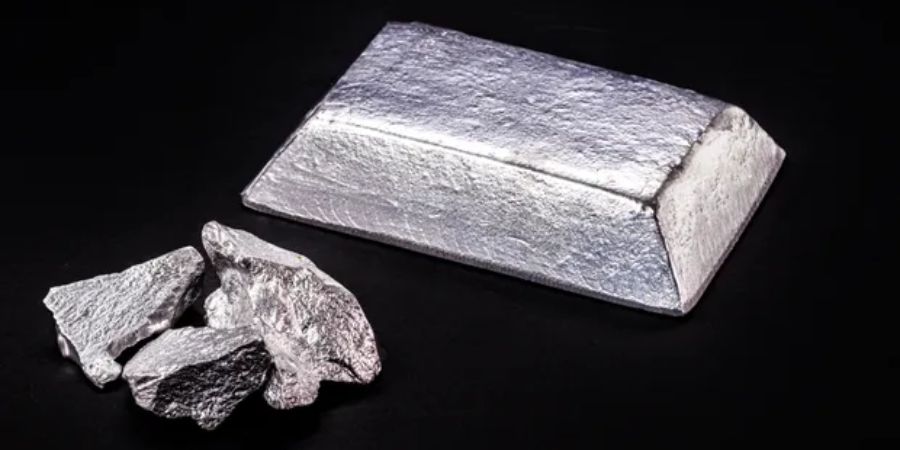
A Simple Introduction to Rhodium
Rhodium Metal is one of the rarest and most valuable metals on the planet and sits within the precious metals market. You might know gold and silver. You might even know platinum. But rhodium sits at the top of the price charts because its supply is tiny and its industrial role is essential. As of late 2025, rhodium still trades well above most other metals, even gold and platinum, which keeps interest high in the rhodium price and overall rhodium metal value.
According to scientists, Rhodium metal is defined as a platinum group metal (PGM). Its color is bright silver, it is very resistant to corrosion, and it occurs in nature not as a single metal but rather as a minor component in the company of platinum, palladium, nickel, and the like ores found in limited rhodium deposit locations.
What Makes Rhodium Metal Unique
There are several things that set rhodium metal apart from most other metals:
- Extreme rarity: Rhodium is extremely scarce. The amount mined each year is tiny compared with gold or even platinum. It is about 100 times rarer than gold in the Earth’s crust.
- Industrial usefulness: Rhodium’s strength lies in how well it works as a catalyst, that is, a material that speeds up chemical reactions without being consumed. No other metal does the job as efficiently in specific applications such as vehicle emissions control used heavily in rhodium catalytic converters.
- Physical toughness: It can withstand high temperatures and aggressive chemical environments. That makes it valuable in conditions where most metals would fail and maintains long term industrial metal demand.
All of these traits mean industries will pay top dollar when they need a material that simply cannot be replaced, which fuels strong rhodium investment interest.
Where Rhodium Comes From
Unlike gold or copper, there are no rhodium metal mines that exist solely to extract rhodium. It is always a by-product of other mining operations, especially platinum and nickel mining, making rhodium production limited.
The geography of rhodium metal production is very narrow:
- South Africa produces the majority of the world’s supply and shapes the rhodium supply chain.
- Russia, Canada, and Zimbabwe contribute smaller amounts.
Because it comes from only a few regions and only as a by-product of other mining, rhodium supply cannot quickly expand even when prices rise, which creates a structurally tight rhodium market.
The Core Reason Rhodium Metal is So Expensive
Prices for rhodium are much higher than for most other metals, and there are three main reasons.
- Tiny Supply With No Easy Boost Rhodium annual production is measured in tens of tons compared with thousands for gold. A result of how rare it is and the way it must be mined makes the supply almost fixed in the short term. Even with huge price increases, miners cannot suddenly produce more rhodium metal because doing so would require increasing production of the main metals it is attached to.
This is by no means a minor detail. It signifies that the supply of rhodium is inelastic, it does not vary much due to price alone. Thus, when demand increases, the rhodium prices get under enormous pressure.
- Heavy Demand From Cars: The single biggest use of rhodium metal is in automotive catalytic converters. These parts clean vehicle exhaust by converting harmful nitrogen oxides into harmless gases. Modern emissions regulations automotive standards worldwide make rhodium nearly indispensable in gasoline car converters.
Because carmakers must meet environmental regulations, they buy rhodium even when prices spike. That demand does not vanish just because prices are high. Up to 80% of global rhodium metal production goes into catalytic converters.
- Volatility and Market Psychology: Because the rhodium metal market is small and supply is narrow, even modest changes in demand or production can cause dramatic price swings. Some years rhodium metal has traded near or above twenty thousand dollars per ounce. In 2025 prices remain high by historic standards, showing clear rhodium volatility.
Rhodium metal pricing is extremely unstable and hence, it is closely watched by traders and investors following the rhodium price per ounce across global exchanges. Speculations about future markets can lead to price increases during times when scarcity of supply or interruptions in supply are predicted.
Other Uses of Rhodium Metal
While catalytic converters dominate demand, rhodium metal is used in a few other areas that matter:
- Jewelry plating: To make white gold and silver more lustrous and durable, rhodium is plated on them. Gold and silver jewelry hides the expense of this precious metal in their prices and demonstrates continued rhodium jewelry plating demand.
- Industrial chemical catalysts: In the production of fine chemicals and acetic acid, rhodium metal can cause the reaction to be faster and thus give more quantity in the same time.
- Electronics and coatings: The very properties of rhodium metal such as its ability to withstand extreme conditions and high electrical conductivity render it indispensable in some types of electrical contacts as well as in industrial coatings.
The amounts for these applications are less than those of the automotive sector yet they still exert some pressure on the supply and, consequently, price of this metal.
How Rhodium Prices Have Changed
Rhodium’s price history tells the story of a market that does not behave like gold or silver and shows dramatic rhodium price history patterns.
- Prices have jumped from a few $100 per ounce in the early 2000s to highs near $30,000 per ounce reflecting extreme rhodium price movement. Investors who track rhodium price per ounce often point to this explosive swing as a sign of how fragile the balance between supply and demand can be.
- Prices can swing widely year to year because supply cannot adapt quickly.
That volatility attracts traders and keeps investors watching the rhodium market closely for any signals of supply disruptions or shifts in industrial demand.
What Could Change Demand in the Future
No explanation of rhodium metal is complete without looking ahead.
- Electric vehicles (EVs): In the event that EVs fully replace gasoline cars, the need for catalytic converters, and consequently, rhodium could witness a significant drop. On the other hand, hybrids and fossil-fuel cars are projected to last many years still.
- Recycling: Old catalytic converters are a source of rhodium that can be recycled; however, the price of extraction and processing is very high. Making such operations more efficient could help the situation in terms of supply.
- New technologies: The need for rhodium metal in the future could depend on the development of new applications in various sectors including chemicals, electronics, or even the production of green hydrogen. This, in turn, would support a high price level even in the case of decreased demand from the automotive industry.
Industrial Demand Beyond Automotive
Rhodium is primarily used in catalytic converters, however, there are still other industrial and technological applications of the metal that will keep on driving its demand.
- Rhodium in Chemical Industry: Rhodium Metal is applied in the production of chemicals as catalysts to obtain specialty chemicals and pharmaceutical precursors when no equivalent alternatives exist.
- Rhodium as a Material in Electronics and Electrical Applications: the characteristic features of low contact resistance and stability ensure that this metal is used in the manufacturing of the most expensive electrical products, containers, and connectors.
- Rhodium in the Optical and Protective Coatings Industry: In the case of optical instruments and specialty equipment, the resistance to corrosion and reflectivity are improved by rhodium plating.
- Rhodium in Scientific and Nuclear Uses: Because of the high radiation environment suitability, rhodium metal detectors are used to monitor neutron flux in nuclear reactors.
The use of rhodium metal in the novel regions may not be as substantial as in the automotive sector in terms of volume, but the demand is still there as these industries are being supplied with rhodium to the extent that no substitutes are as effective as rhodium. Consequently, the demand remains stable irrespective of the market fluctuations in the automotive sector.
Final Summary
Rhodium Metal is expensive not because of luxury alone but because of deep market fundamentals:
- It is extremely rare and hard to scale production.
- Demand, especially from the automotive sector, is large and persistent.
- Supply and demand imbalances cause sharp price swings.
For users asking why rhodium costs so much, the answer is clear: scarcity plus industrial necessity equals very high value. If you want to track rhodium metal prices or understand future changes, watch vehicle emissions standards, mining production in South Africa and Russia, and recycling innovations.
Frequently Asked Questions (FAQs)
1. What is rhodium metal?
Rhodium metal is a rare, pale metallic Precious Metal that belongs to the group of Platinum Group Metals (PGMs). Rhodium has a high resistance level to Corrosion and has superior Catalytic properties. This makes Rhodium valuable and sought after.
2. Why is rhodium so expensive?
Rhodium’s price is mainly due to its extreme rarity; besides, it has a high demand for pollution-control catalysts in the automotive industry and the fact that it is mostly mined as a by-product of other metals mining. Where the availability is less and the consumption is more, the price shoots up extremely fast.
3. Where is rhodium mined?
The primary sources of rhodium are South Africa, which is the major supplier, while a minor portion comes from Russia, Canada, and Zimbabwe. The deposit of this metal is very small, so a disturbance in that region can cause a shortage in global supply.
4. WWhat is the main use of rhodium?
Around 80% of rhodium demand is in the catalytic converter industry in the automotive market, where the element is used as a catalyst in the reduction of harmful nitrogen oxide emission.
5. Is rhodium only used in cars?
No. Rhodium has other uses as a chemical catalyst, plating for jewelry to improve appearance, and a few uses where the corrosion-resistance properties, as well as the conductivity, qualify it.
6. Can rhodium be recycled?
Yes. Rhodium is recovered from used catalytic converters. While it is expensive and does not compensate for the difficulties of mining, it does help increase the available supply.
7. How volatile is the price of rhodium?
Rhodium’s prices are quite volatile. Rhodium’s prices varied considerably in the past and even touched record highs at certain instances due to the shortage of supplies and the peak in demand for it.
8. IDoes rhodium have any investment value?
Rhodium, with its high price and low occurrence, has some investment demand. However, its market is less liquid than those of gold and platinum, which means that the price can be easily influenced by the fluctuations in demand and supply.
9. Is rhodium used in technology outside cars?
Yes. Rhodium is employed for uses involving electronics, reflection coatings, and certain chemical process applications because of its stability and catalytic abilities.
10. Will the price of rhodium metal stay high in the future?
Even without knowing the future prices, the current usage in industry, most likely influenced by emission control requirements in the automotive industry, indicates that rhodium will presumably be a higher-price metal than many others.