
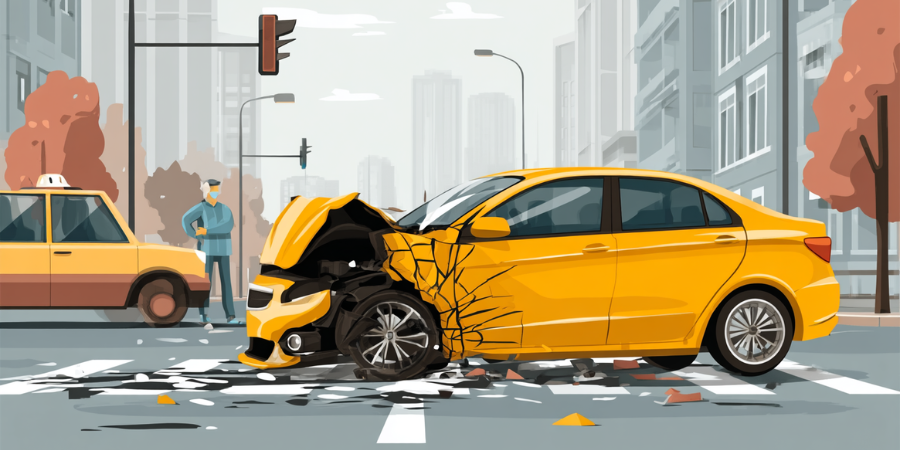
A car accident can leave you shaken, confused, and unsure what to do next. Even a minor crash can create stress because there are immediate safety concerns, insurance questions, possible injuries, and vehicle damage to deal with. Knowing the right steps ahead of time can help you stay calm and protect yourself, your passengers, your claim, and your vehicle.
If you are wondering what to do after a car accident, the most important thing is to focus on safety first. After that, you can document the scene, exchange information, report the accident when required, contact insurance, seek medical care, and have the vehicle inspected before assuming it is safe to drive.
Step 1: Check for Injuries and Get to Safety
The first priority after any accident is checking for injuries. Start with yourself, then check your passengers. Look for pain, dizziness, bleeding, confusion, trouble breathing, or visible injuries. If anyone appears seriously hurt, do not move them unless there is immediate danger, such as fire, smoke, or the risk of another collision.
If the vehicles are blocking traffic and can be moved safely, turn on your hazard lights and pull to the shoulder, parking lot, or another safe location nearby. If traffic is heavy or it feels unsafe to exit the car, stay inside with your seatbelt on until help arrives.
Call 911 if anyone is injured, traffic is blocked, there is major damage, you suspect impaired driving, the accident involves a hit-and-run, or there are unsafe conditions such as leaking fluids, smoke, or fire.
Step 2: Do Not Admit Fault at the Scene
After an accident, it is natural to feel emotional or apologetic. However, it is best to avoid saying anything that could sound like admitting fault. Stick to the facts when speaking with the other driver, police, witnesses, and insurance representatives.
Avoid arguing or blaming the other driver. Let the police report, insurance investigation, photos, witness statements, and evidence determine what happened. You can be polite and cooperative without making statements about who caused the crash.
Step 3: Exchange Information With the Other Driver
Once everyone is safe, exchange basic information with the other driver. Collect their full name, phone number, driver’s license number, license plate number, insurance company, policy number, and vehicle make, model, and color.
If the vehicle owner is different from the driver, write that down too. This can matter during the insurance claim process.
Avoid sharing unnecessary personal details. The exchange should stay focused on driver, vehicle, and insurance information.
Step 4: Document the Accident Scene
Documentation is one of the most important steps after a car accident. Take clear photos and videos before vehicles are moved if it is safe to do so. Capture vehicle damage from multiple angles, license plates, road signs, traffic signals, lane markings, skid marks, debris, weather conditions, road conditions, and the overall accident scene.
Write down the date, time, location, direction each vehicle was traveling, and any details you remember. If there are witnesses, ask for their names and contact information.
If police respond, ask for the officer’s name, badge number if available, department, and report number. This information can help you access the report later.
Step 5: File a Police or Collision Report When Required
Some accidents require a police or collision report. This may apply when there are injuries, significant property damage, a hit-and-run, an uninsured driver, disputed fault, or state-specific reporting requirements.
Even if police do not come to the scene, your state may require you to file a separate report with the DMV or another agency. Reporting rules vary by location, so do not assume that exchanging information is always enough.
Ask the responding officer how to get a copy of the report and when it will be available. Your insurance company may ask for it during the claim process.
Step 6: Get Medical Attention
Some injuries are obvious right away, but others can appear hours or days later. Whiplash, concussions, back injuries, neck pain, soft tissue injuries, and headaches may not fully show up immediately after the crash.
Seek immediate medical care if you experience head pain, chest pain, neck or back pain, numbness, dizziness, trouble breathing, severe pain, loss of consciousness, confusion, or any symptom that feels unusual.
Medical documentation can also support your insurance claim. Even if you feel mostly fine, pay attention to your body in the days after the accident.
Step 7: Contact Your Insurance Company
Report the accident to your insurance company as soon as reasonably possible. Provide the basic facts, photos, other driver’s information, police report number if available, and any towing or repair details.
Ask about your coverage and next steps. Depending on your policy, coverage may involve collision coverage, liability coverage, uninsured or underinsured motorist coverage, rental reimbursement, or medical payments coverage.
Be careful with recorded statements. Answer honestly, but avoid guessing or speculating. If you do not know something, it is okay to say you are unsure.
Step 8: Decide If the Car Is Safe to Drive
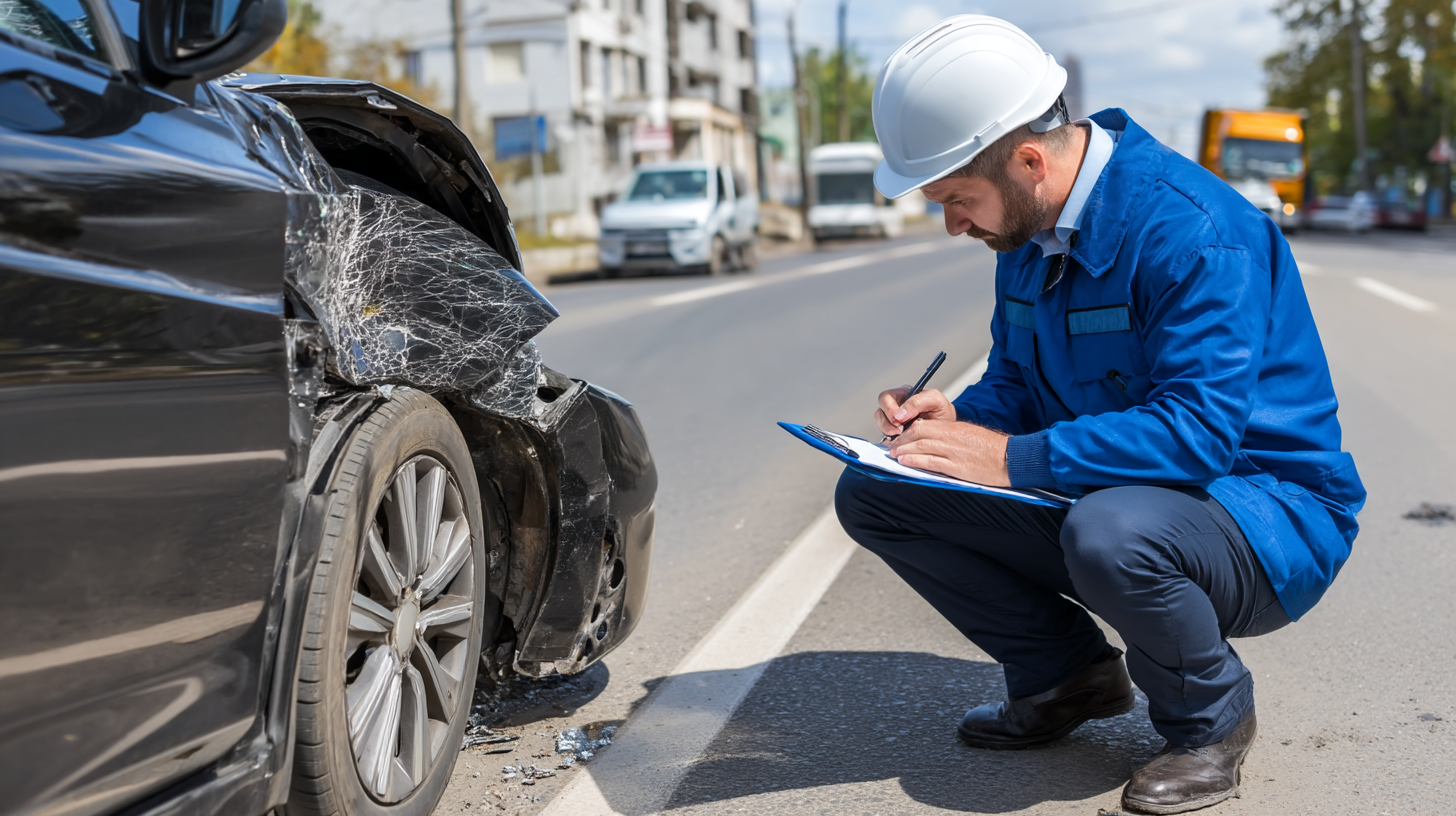
Not every damaged vehicle should be driven after an accident. Warning signs include fluid leaks, smoke, burning smells, airbag deployment, broken lights, bent wheels, steering problems, brake issues, severe bumper or hood damage, frame damage, windshield damage, or dashboard warning lights.
If the car feels unstable, pulls to one side, makes strange noises, leaks fluid, or has poor visibility, do not drive it. Call for a tow instead. Driving an unsafe vehicle can create more damage and put you or others at risk.
Step 9: Get the Collision Damage Inspected
Visible damage does not always tell the full story. A bumper may look only slightly damaged while hiding issues with brackets, sensors, impact absorbers, or structural components. A wheel impact can affect alignment, suspension, steering, or tires. A minor dent may involve paint damage, hidden panel damage, or broken clips behind the surface.
Modern vehicles also have cameras, sensors, and safety systems that may need inspection or calibration after certain repairs.
After an accident, drivers should contact a trusted Auto Body repair shop such as Relux Collision to have collision damage inspected, including body panels, bumpers, paint, alignment concerns, and hidden repair needs.
Step 10: Review Repair Estimates Carefully
A repair estimate may include parts, labor, paint, refinishing, frame or structural work, sensor calibration, alignment, glass replacement, and other repair steps. If hidden damage is discovered after teardown, the estimate may change.
This is normal in collision repair. Some damage cannot be fully seen until damaged panels are removed. In those cases, the repair facility may submit a supplement to the insurance company for additional approval.
For drivers comparing repair options after a crash, Relux Collision can help with collision repair estimates, paintwork, body repair, and restoring the vehicle after accident damage.
When reviewing an estimate, ask what is included, whether OEM or aftermarket parts are being used, whether calibration is needed, how long repairs may take, and whether the repair comes with a workmanship warranty.
Step 11: Keep Records of Everything
Keep a file with all accident-related records. This may include photos, videos, the police report, insurance claim number, medical records, tow receipts, rental car receipts, repair estimates, repair invoices, and communication with the insurance company.
Good records can help if there is a dispute, delay, supplement, medical issue, or question about payment. They also create a clear timeline of what happened and what steps were taken after the accident.
Common Mistakes to Avoid After a Car Accident
One of the biggest mistakes is leaving the scene too early. Another is failing to check for injuries or assuming everyone is fine without paying attention to symptoms.
Drivers should also avoid admitting fault, forgetting to take photos, failing to collect witness information, delaying medical care, driving an unsafe vehicle, waiting too long to contact insurance, or ignoring hidden collision damage.
Another common mistake is accepting a repair decision without understanding the estimate. Ask questions and make sure you know what repairs are being performed.
What to Keep in Your Car Before an Accident Happens
Preparation can make a stressful situation easier. Keep your insurance card, registration, emergency contact information, flashlight, phone charger, first-aid kit, reflective triangles, pen, paper, and basic emergency tools in your vehicle.
Digitally, make sure you can access your insurance app, roadside assistance, emergency contacts, and photos of important documents where legally allowed. A little preparation can save time when emotions are high.
Conclusion
Knowing what to do after a car accident can help protect your safety, your insurance claim, and your vehicle. Start by checking for injuries, getting to safety, calling emergency services when needed, exchanging information, documenting the scene, and following local reporting requirements.
After the immediate situation is handled, contact insurance, seek medical care if needed, and have the vehicle inspected before assuming it is safe to drive. Even minor accidents can create hidden damage or delayed symptoms.
The best approach is to stay calm, collect accurate information, keep good records, and address both visible and hidden damage before getting back on the road.