Zomato and Blinkit, part of the Indian tech group Eternal Limited, achieved their highest-ever single-day delivery volumes on December 31, logging more than 75 lakh orders in one day. The surge happened even though a section of gig workers had called for a nationwide strike demanding better pay, safer working conditions, and social security benefits.
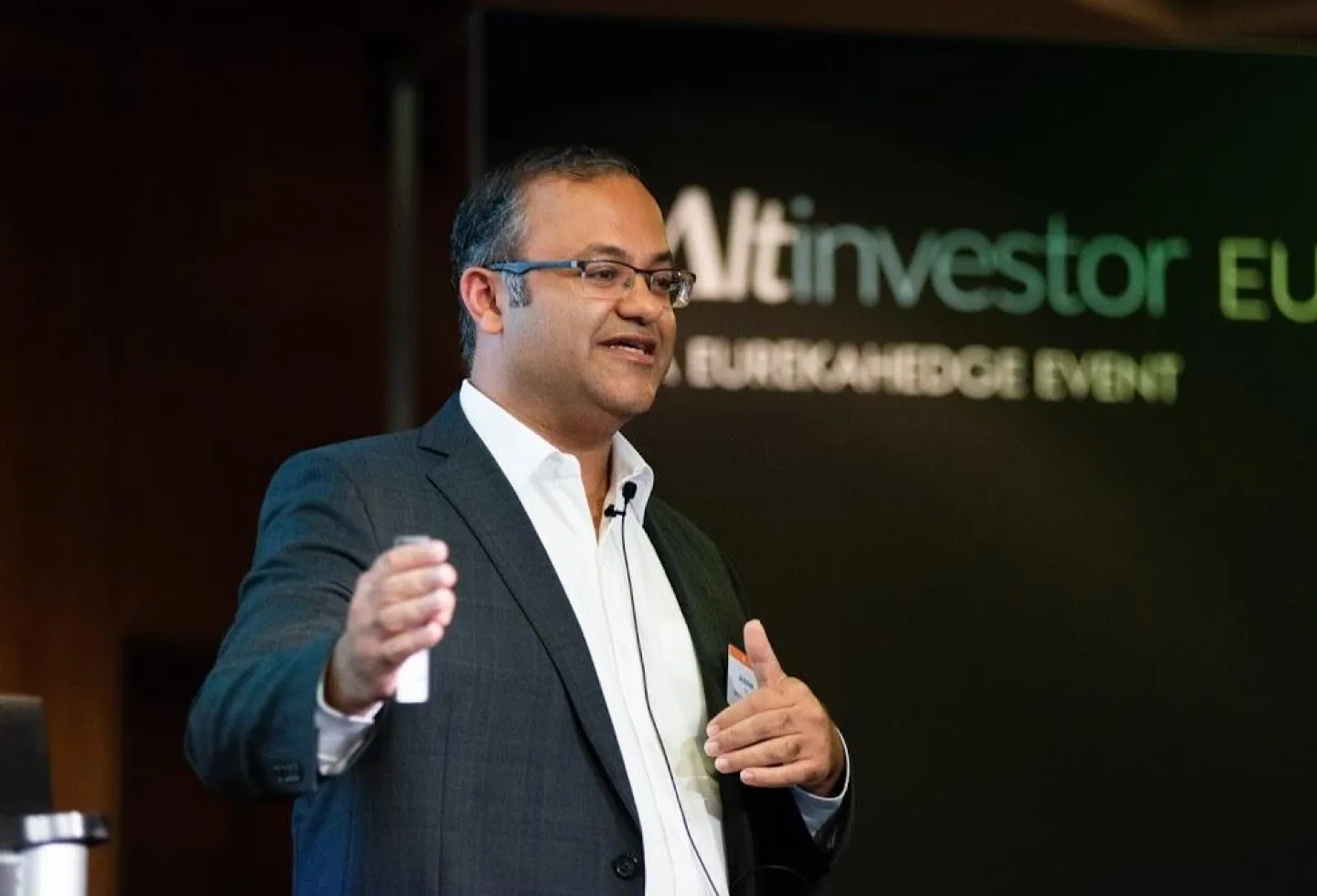
CEO Deepinder Goyal posted this milestone on social media platform X, saying the two platforms delivered at a “record pace” on New Year’s Eve. He noted that more than 4.5 lakh delivery partners across the services fulfilled orders for over 63 lakh customers despite widespread talk about the workers’ protest.
The record set on New Year’s Eve marks a clear high for both food delivery and quick commerce operations under Zomato and Blinkit. The platforms reported that operations remained largely unaffected, even with the union strike call circulated widely in the days leading up to December 31.
Goyal expressed gratitude to local law enforcement and ground teams for supporting enforcement and smooth coordination during one of the busiest days of the year. He credited the delivery partners for showing up and completing orders despite tension surrounding the strike and sometimes difficult working conditions.
The Chief Executive Officer also participated in the discussions about the strike and the gig economy in general. He said that the large number of workers participating in the strike and the great volumes of deliveries made indicate that the majority of the gig workers are still depending on the platforms and have the option to work in the system. According to him, a system that is totally unfair would not be able to have such a large number of partners attracted and retained consistently.
The announcement did not, however, go smoothly and provoked controversy. Some opponents as well as people from the public side said that by pointing out the figures for high orders, the workers’ claims might be lessened. Besides, the issue of Zomato’s 10-minute delivery system came up and a former airline executive even doubted if such a rigid delivery time could be an expectation or a demand that is sustainable.
The workers who went on strike, backed by unions like Gig and Platform Service Workers Union, brought up numerous issues that have been at the root of the problem, including poor pay, job unsteadiness, long working hours, and lack of social protection. They called upon the delivery partners of all platforms to go on strike on December 31 as a display of solidarity with their protest.
Zomato countered by reminding that there were no extra perks given solely for the day of strike apart from the standard higher payouts which are associated with peak demand periods like New Year’s Eve and so forth. During the peak hours from late evening to midnight, the delivery partners had the option of receiving higher per-order payouts and they could get more paid depending on the total volumes and the availability of the deliveries.
Analysts and industry insiders have pointed out that Zomato, Blinkit, and even competitors like Swiggy and Zepto achieved record volumes in all food and quick commerce categories. Moreover, many platforms had reported that their gig workers’ remuneration had increased and total payments made on New Year’s Eve through the companies had surpassed huge amounts owing to the rush of orders.
The incident shows the contradiction between the orders increasing tremendously and the discussion about the condition of gig workers still going on. Besides, it suggests that during peak demand, companies can achieve record sales even if labor problems are still considered part of the future strategies for app-based food delivery in India.