
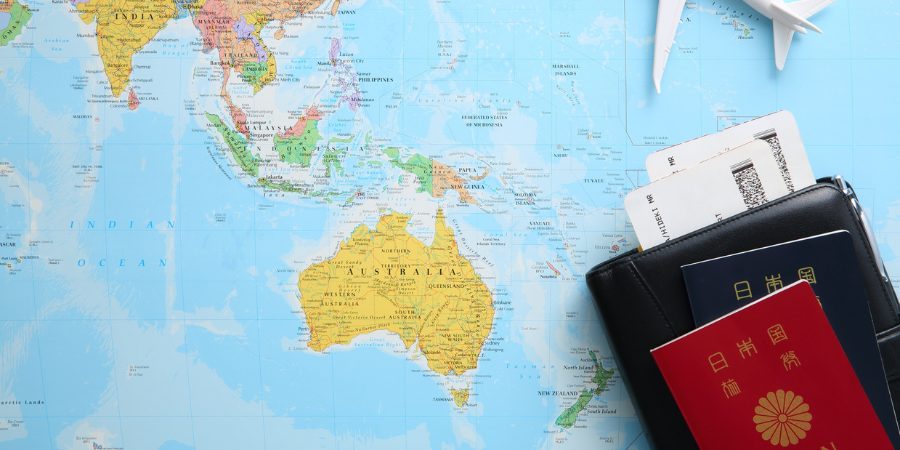
Most people know the official passport or visa fee before they apply. What they often forget is everything around it: the photo, the printed copies, the courier charge, the trip to the visa center, and sometimes a second visit because one small detail was wrong.
None of these costs look serious on their own. A few dollars for printing. A small fee for delivery. A quick photo session. A ride across town. But by the time the application is finished, many people have spent far more than the amount listed on the official website.
For students, families, workers moving abroad, and frequent travelers, these extra costs can become frustrating quickly.
Where the Extra Money Goes
The official fee is usually easy to find. Governments, embassies, and visa centers publish it clearly. The harder part is predicting everything else.
Applicants may have to pay for passport or visa photos, document printing, photocopies, envelopes, courier services, transport, parking, appointment fees, or urgent processing. If a document is missing or a photo is rejected, the cost can rise again.
Families feel this even more. One person may only need one photo and one set of forms. A family of four may need several photo sets, multiple applications, and repeated document checks.
Students applying abroad often face the same issue. A passport-size photo may be needed for a visa, university records, residence permits, exam registration, or local ID cards after arrival. The same small requirement keeps coming back in different forms.
Why the Photo Is Often the First Problem
A passport or visa photo sounds simple until the rules appear.
Different countries have different requirements for size, background, head position, face coverage, shadows, glasses, file format, and print quality. A photo that works for one application may not work for another.
That is why many applicants still go to a photo studio. It feels safer. But it also means paying for the session, traveling there, waiting, and sometimes returning if the photo does not match the exact requirement.
For parents, even getting a baby or small child to sit still for a photo can turn into a task of its own. For someone facing an urgent deadline, a rejected photo can delay the entire application.
How Online Photo Tools Can Help
This is where online tools can reduce avoidable spending.
IDPhotoDIY lets users create passport, visa, and ID photos from home. Instead of going straight to a studio, users can take a photo with a phone or camera, upload it, crop it according to the needed format, and download a printable or digital version.
This does not replace the need to check official rules. Applicants should always confirm the latest photo requirements from the relevant government, embassy, or visa center before submitting anything.
But for many common passport and visa photo needs, an online tool can make the process easier. Users can take several photos, choose the best one, adjust it to the required size, and print it locally. That can be especially useful for families, students, and people preparing documents for more than one country.
Simple Ways to Keep Costs Lower
The easiest way to save money is to avoid last-minute mistakes.
Check the official requirements before spending on photos, printing, or delivery. Make a list of every document needed, including copies and photo sizes. Apply online where possible, since online applications are often more convenient and may cost less than paper-based options.
Avoid urgent processing unless there is no other choice. Expedited services can be helpful, but they usually increase the final cost.
Prepare photos and copies before the appointment. A complete application reduces the chance of extra trips, rushed printing, or paying again for corrected photos.
For the photo step, tools like IDPhotoDIY can help applicants handle one of the most common requirements without adding unnecessary studio costs.
A Small Step That Can Save Time and Money
Passport and visa applications are not expensive only because of official fees. The hidden costs often come from small tasks that applicants do not plan for: photos, copies, transport, delivery, and corrections.
The solution is not complicated. Read the official requirements carefully, prepare early, and use digital tools where they make sense.
For many applicants, online tools solve a small but common problem. It gives people a way to prepare document photos from home, reduce extra trips, and keep one part of the application process under control.




