
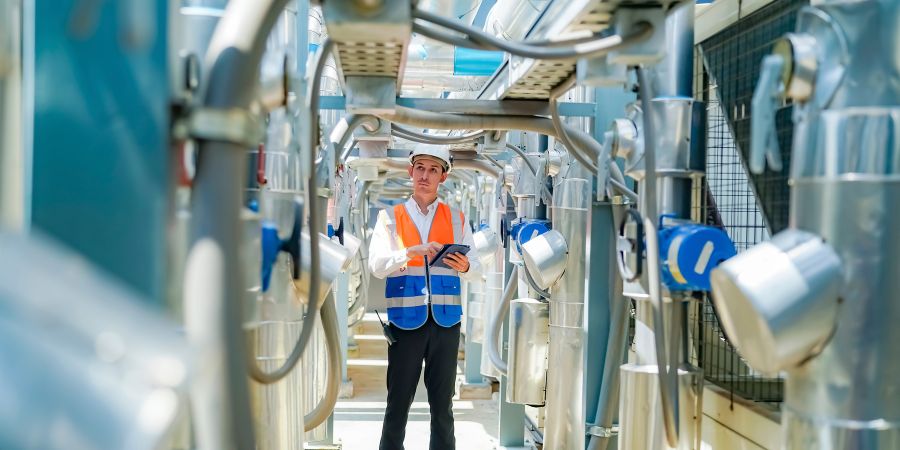
Industrial equipment has become increasingly sophisticated, incorporating advanced electronics, precision sensors, delicate coatings, and highly engineered components that demand careful maintenance. As manufacturing sectors continue to adopt automation, robotics, and digital technologies, cleaning methods have also evolved to meet stricter requirements for equipment protection, operational efficiency, and environmental responsibility.
Traditional abrasive cleaning techniques have long been effective for removing contaminants such as grease, dust, carbon deposits, and production residues. However, these methods often carry risks when applied to sensitive machinery. Surface wear, component damage, moisture intrusion, and chemical residue can reduce equipment lifespan and compromise production quality.
Modern industries are therefore shifting toward non-abrasive cleaning solutions that preserve component integrity while maintaining high standards of cleanliness. Advances in industrial gases, cryogenic technologies, precision cleaning methods, and contamination control have established new benchmarks across manufacturing sectors.
Why Sensitive Industrial Equipment Requires Specialized Cleaning
Today’s industrial systems contain components with extremely tight tolerances. Semiconductor manufacturing equipment, medical device production machinery, aerospace assemblies, food processing systems, pharmaceutical equipment, and precision robotics all require cleaning processes that eliminate contaminants without affecting functionality.
Sensitive equipment may include:
- Electronic control systems
- Optical components
- Precision bearings
- Heat exchangers
- High-performance sensors
- Electrical panels
- Delicate coatings
- Composite materials
Cleaning methods must remove contaminants while avoiding scratches, corrosion, electrical damage, thermal distortion, or residue buildup.
Even microscopic contamination can affect product quality, reduce manufacturing accuracy, or cause equipment failures.
The Shift Away from Traditional Abrasive Methods
Conventional cleaning techniques often rely on abrasive media, aggressive chemicals, or high-pressure water systems. While effective in certain applications, these approaches present several disadvantages for modern industrial environments.
Mechanical abrasion can gradually wear protective coatings and precision surfaces. Water-based cleaning introduces moisture into electrical assemblies, increasing corrosion risks. Strong chemical solvents may leave residues or require extensive post-cleaning procedures.
Many industries are also reducing their reliance on hazardous chemicals because of stricter environmental regulations and workplace safety standards.
As a result, maintenance professionals increasingly favor techniques that minimize mechanical contact while achieving excellent cleaning performance.
Characteristics of Modern Non-Abrasive Cleaning
Non-abrasive cleaning focuses on removing unwanted contamination without permanently altering the underlying surface.
Several characteristics define these modern approaches.
Surface Preservation
Protecting the original surface finish is one of the primary goals. Precision-machined components often require exact dimensions and smooth finishes that cannot tolerate material loss.
Unlike aggressive blasting methods, non-abrasive solutions aim to lift contaminants while leaving the substrate unchanged.
Minimal Residue
Many advanced cleaning technologies are designed to leave little or no secondary waste. Reduced residue simplifies inspection, shortens maintenance downtime, and decreases disposal requirements.
This becomes particularly important in industries where contamination control directly influences product quality.
Reduced Downtime
Modern manufacturing facilities operate under tight production schedules. Cleaning methods that require lengthy disassembly or drying periods can significantly reduce operational efficiency.
Many non-abrasive techniques allow equipment to be cleaned more quickly, helping facilities resume production sooner.
Compatibility with Complex Equipment
Industrial machinery increasingly combines metals, polymers, ceramics, composites, electronics, and sensitive coatings within a single assembly.
Cleaning technologies must safely interact with these diverse materials without introducing unwanted damage.
The Growing Role of Industrial Gases
Industrial gases have become valuable tools in precision cleaning applications because they provide controlled, residue-free cleaning environments.
Compressed gases can remove loose particles from equipment while minimizing physical contact. Specialized gas applications are also used in manufacturing processes requiring extremely clean operating conditions.
Choosing the appropriate gas depends on factors such as contamination type, operating temperature, material compatibility, and safety requirements. Many facilities work closely with an industrial gas supplier to ensure gases meet purity specifications suitable for sensitive production environments.
High-purity gases also play important roles in semiconductor fabrication, electronics manufacturing, laser systems, and laboratory environments where contamination control is essential.
Cryogenic Cleaning Technologies
Among recent developments, cryogenic cleaning has gained considerable attention due to its ability to remove contaminants without damaging underlying surfaces.
Cryogenic cleaning uses extremely low temperatures to weaken the bond between contaminants and the substrate. The rapid thermal contraction causes deposits to crack or detach while minimizing mechanical impact.
Because the process generally avoids liquid chemicals and excessive moisture, it offers several operational advantages for sensitive equipment.
Applications include:
- Electrical systems
- Industrial molds
- Production machinery
- Printing equipment
- Packaging systems
- Precision manufacturing equipment
Its effectiveness continues to drive broader adoption across multiple industries.
Understanding Dry Ice Cleaning
One of the most widely recognized cryogenic techniques is dry ice blasting. This method accelerates solid carbon dioxide particles toward contaminated surfaces using compressed air.
Unlike traditional abrasive media, dry ice pellets sublimate upon impact, transitioning directly from solid to gas. This characteristic greatly reduces secondary waste compared to many conventional blasting methods.
The cleaning mechanism combines three effects:
Kinetic Energy
The pellets strike contaminants with enough force to loosen deposits while remaining significantly less abrasive than conventional blasting media.
Thermal Shock
The extremely low temperature rapidly cools contaminants, causing differential contraction that weakens their adhesion.
Sublimation Expansion
As the dry ice changes into gas, its volume expands dramatically, helping lift contaminants away from the surface.
Together, these mechanisms provide efficient cleaning while preserving delicate equipment surfaces.
Contamination Control Is Becoming More Demphasized as a Competitive Advantage
As manufacturing tolerances continue shrinking, contamination control has evolved from a quality initiative into a strategic operational priority.
Particles invisible to the naked eye may interfere with:
- Optical measurements
- Electrical conductivity
- Adhesive bonding
- Precision machining
- Coating performance
- Product reliability
Industries increasingly integrate contamination monitoring into preventive maintenance programs rather than relying solely on reactive cleaning after visible buildup occurs.
This proactive approach reduces unexpected downtime while improving overall equipment effectiveness.
Environmental Considerations
Environmental sustainability now influences maintenance strategies across nearly every industrial sector.
Modern cleaning methods increasingly seek to reduce:
- Hazardous chemical use
- Water consumption
- Secondary waste generation
- Airborne particulate emissions
- Worker exposure to harmful substances
Non-abrasive technologies often align well with these objectives because they require fewer consumables and may eliminate extensive post-cleaning waste management.
Facilities must nevertheless ensure compliance with applicable occupational safety regulations and environmental requirements when implementing any cleaning process.
Industry Standards Continue to Evolve
Cleaning standards are becoming increasingly rigorous as industries pursue higher product quality and greater manufacturing consistency.
Several factors contribute to this evolution.
Increased Automation
Automated production lines rely on highly reliable sensors, cameras, robotic systems, and control electronics that require consistent cleanliness for accurate operation.
Advanced Materials
Modern equipment incorporates lightweight alloys, engineered polymers, ceramic coatings, and composite materials that require specialized cleaning approaches.
Regulatory Expectations
Industries such as pharmaceuticals, food processing, aerospace, and medical device manufacturing operate under stringent quality management systems that emphasize validated cleaning procedures and contamination control.
Predictive Maintenance
Digital monitoring technologies now allow maintenance teams to detect contamination-related performance changes before failures occur.
Cleaning has therefore become an integral component of predictive maintenance rather than simply a corrective measure.
Selecting an Appropriate Cleaning Method
No single cleaning technique is ideal for every application. Maintenance professionals typically evaluate several factors before selecting a cleaning process.
These include:
- Equipment sensitivity
- Material compatibility
- Type of contamination
- Cleaning frequency
- Production downtime requirements
- Worker safety
- Environmental impact
- Regulatory compliance
Risk assessments help determine whether non-abrasive cleaning provides sufficient effectiveness while protecting valuable assets.
In many cases, combining multiple cleaning technologies within a preventive maintenance strategy produces the best long-term results.
Future Trends in Industrial Cleaning
Several emerging developments are expected to further improve non-abrasive cleaning technologies.
Artificial intelligence is beginning to support predictive maintenance by identifying contamination patterns before equipment performance declines.
Robotic cleaning systems are expanding into hazardous or difficult-to-access industrial environments, reducing worker exposure while improving consistency.
Sensor technologies continue advancing, enabling real-time monitoring of contamination levels and cleaning effectiveness.
Industrial gas applications are also becoming increasingly precise, supporting advanced manufacturing processes that demand exceptionally clean operating conditions.
Sustainability will likely remain a major driver of innovation, encouraging continued development of cleaning methods that reduce waste, conserve resources, and extend equipment life.
Conclusion
The evolution of non-abrasive cleaning reflects the growing complexity of modern industrial equipment and the increasing importance of contamination control. Sensitive machinery requires maintenance methods that preserve precision, protect valuable components, and minimize operational disruption while meeting strict quality and environmental expectations.
Advances in industrial gases, cryogenic technologies, and precision cleaning have established new standards that prioritize surface preservation, efficiency, and sustainability. As manufacturing continues to adopt smarter technologies and more demanding production processes, non-abrasive cleaning will remain an essential element of reliable equipment maintenance. Organizations that carefully evaluate cleaning methods based on equipment characteristics, contamination risks, and regulatory requirements will be better positioned to maximize productivity, extend equipment lifespan, and maintain consistently high manufacturing performance.




